Verwundetenabzeichen in Silber – Wound Badge in Silver – Maker Marked “107” Carl Wild – Zinc Example

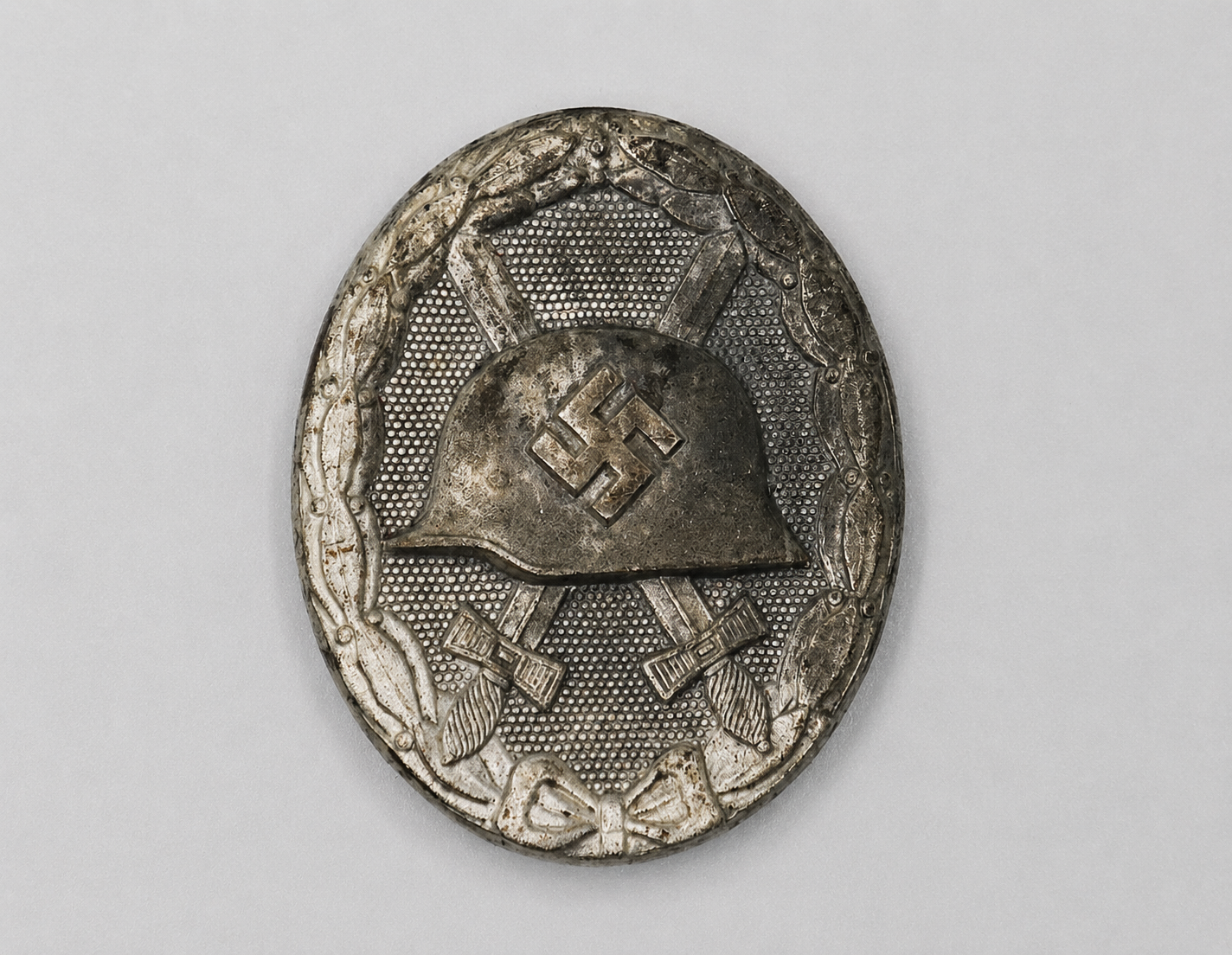
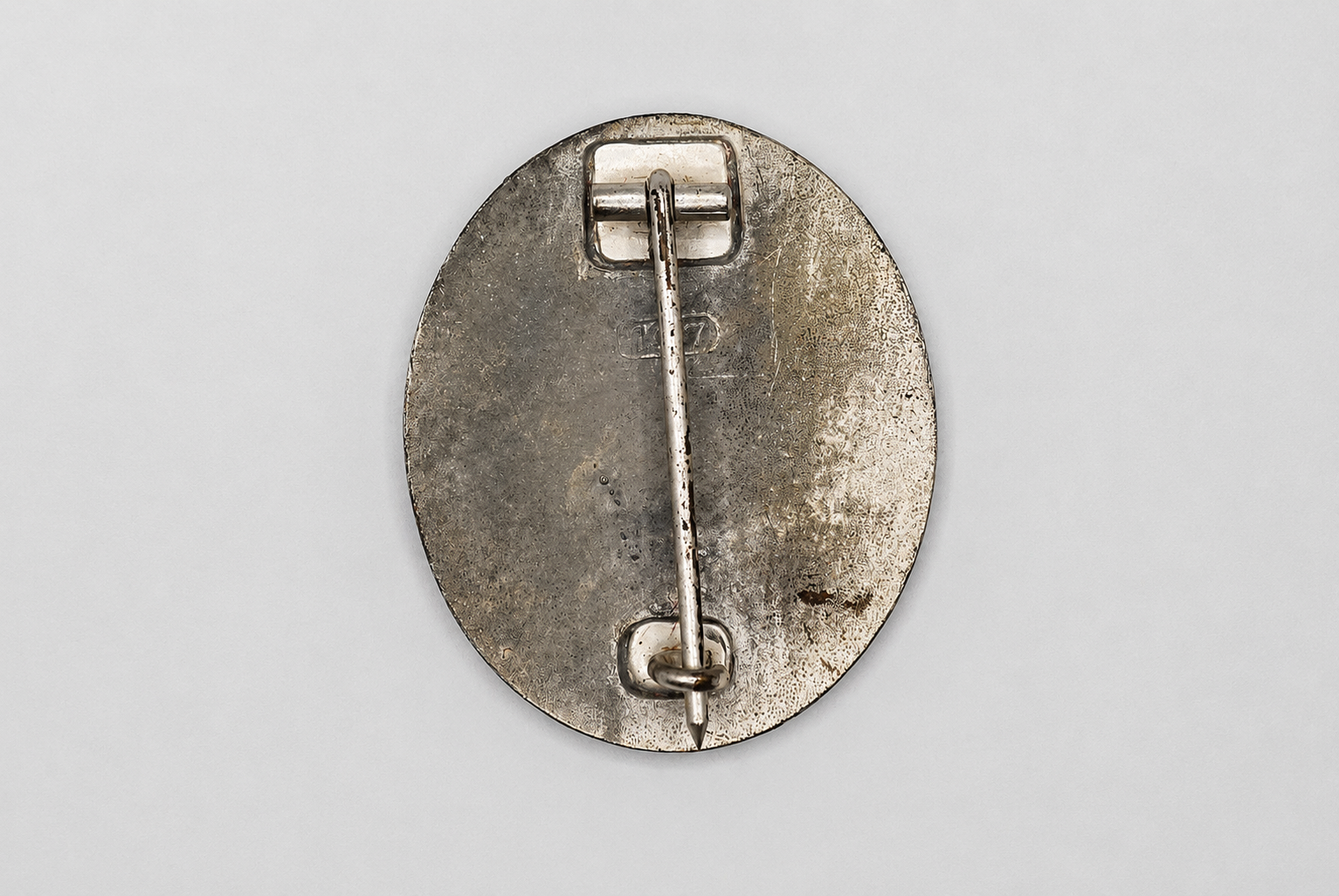
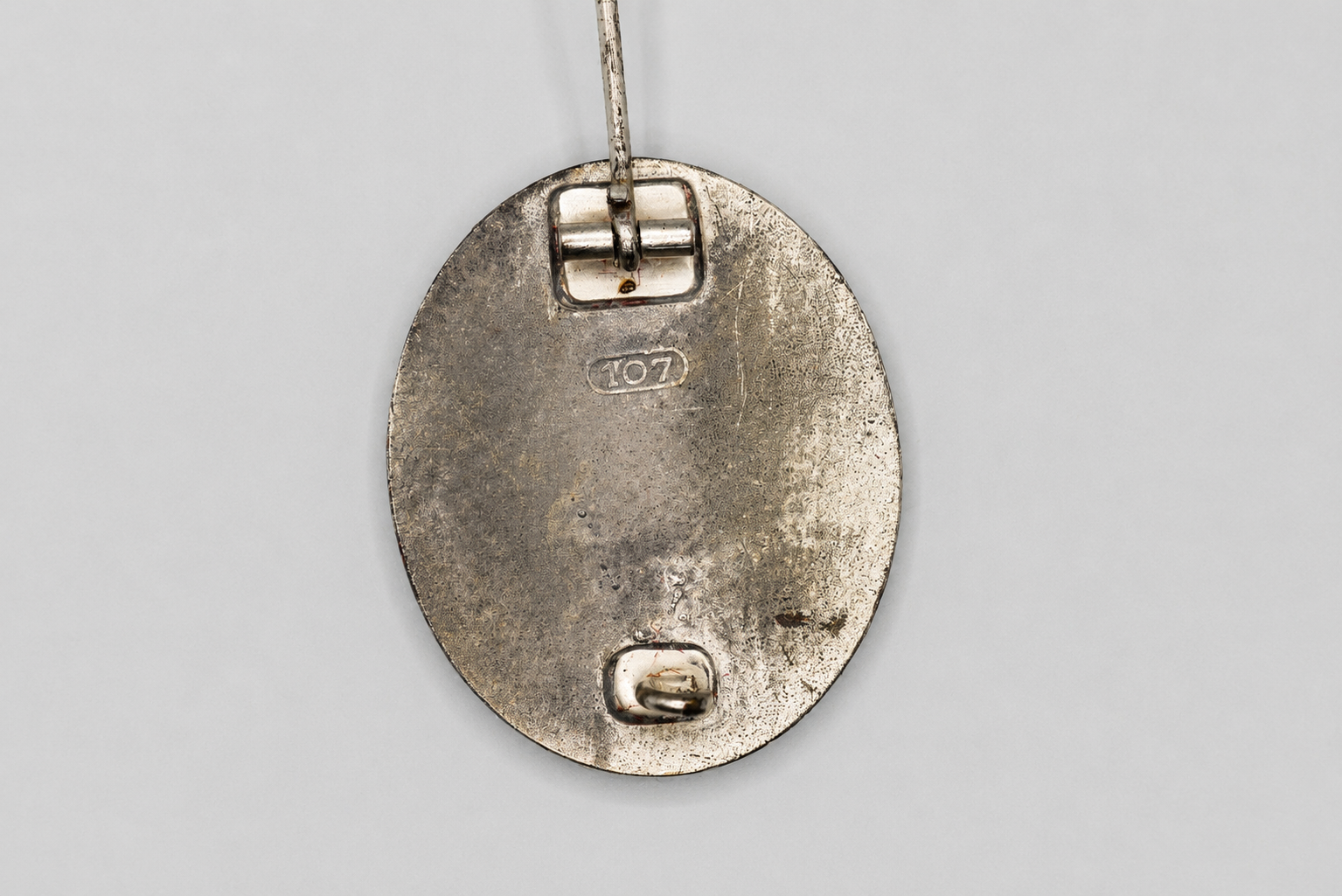
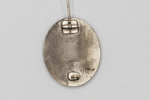
Original WWII German Verwundetenabzeichen in Silber (Wound Badge in Silver), manufactured in zinc and maker marked “107” on the reverse for Carl Wild, Hamburg.

This example retains a very attractive appearance with a pleasing naturally aged patina and a substantial amount of its original silver finish still present, particularly on the helmet, wreath, and crossed swords. The badge shows strong detailing throughout and remains a visually appealing piece.

The reverse setup is fully intact with its original hinge, pin, and catch assembly. The maker mark “107” is clearly visible beneath the hinge.

The Silver Grade Wound Badge was awarded to German servicemen wounded three or four times in combat, or for more severe injuries sustained during active military service.

A solid original wartime example by a desirable maker, featuring excellent overall character and finish retention.

Condition exactly as shown in the photographs.

95,00

In stock

In stock

Product total
Options total
Grand total
SKU: 1052611

Details

ConflictWorld War II
CountryGermany (Third Reich)

Statement

Wolfgang Historica is a trusted seller with years of experience and consistently positive reviews. We are always interested in purchasing collections or unique objects and also offer a professional consignment service. Buy with confidence.

Historical Description

The Verwundetenabzeichen (Wound Badge) was one of the most recognizable combat awards of the German armed forces during the Second World War. Originally reinstituted on 1 September 1939, the decoration recognized soldiers wounded as a result of enemy action.

The award existed in three grades:

  • Black — one or two wounds
  • Silver — three or four wounds
  • Gold — five or more wounds or severe permanent disability

The Silver Grade represented repeated frontline sacrifice and was awarded to personnel who had sustained multiple combat injuries.

As the war progressed, many wound badges were produced in zinc due to shortages of higher-grade metals. Despite this, quality manufacturers such as Carl Wild, Hamburg continued to produce detailed and attractive badges, many of which developed the characteristic dark wartime patina highly appreciated by collectors today.