Belgian Deportees’ Cross 1914–1918 (Weggevoerdenkruis)
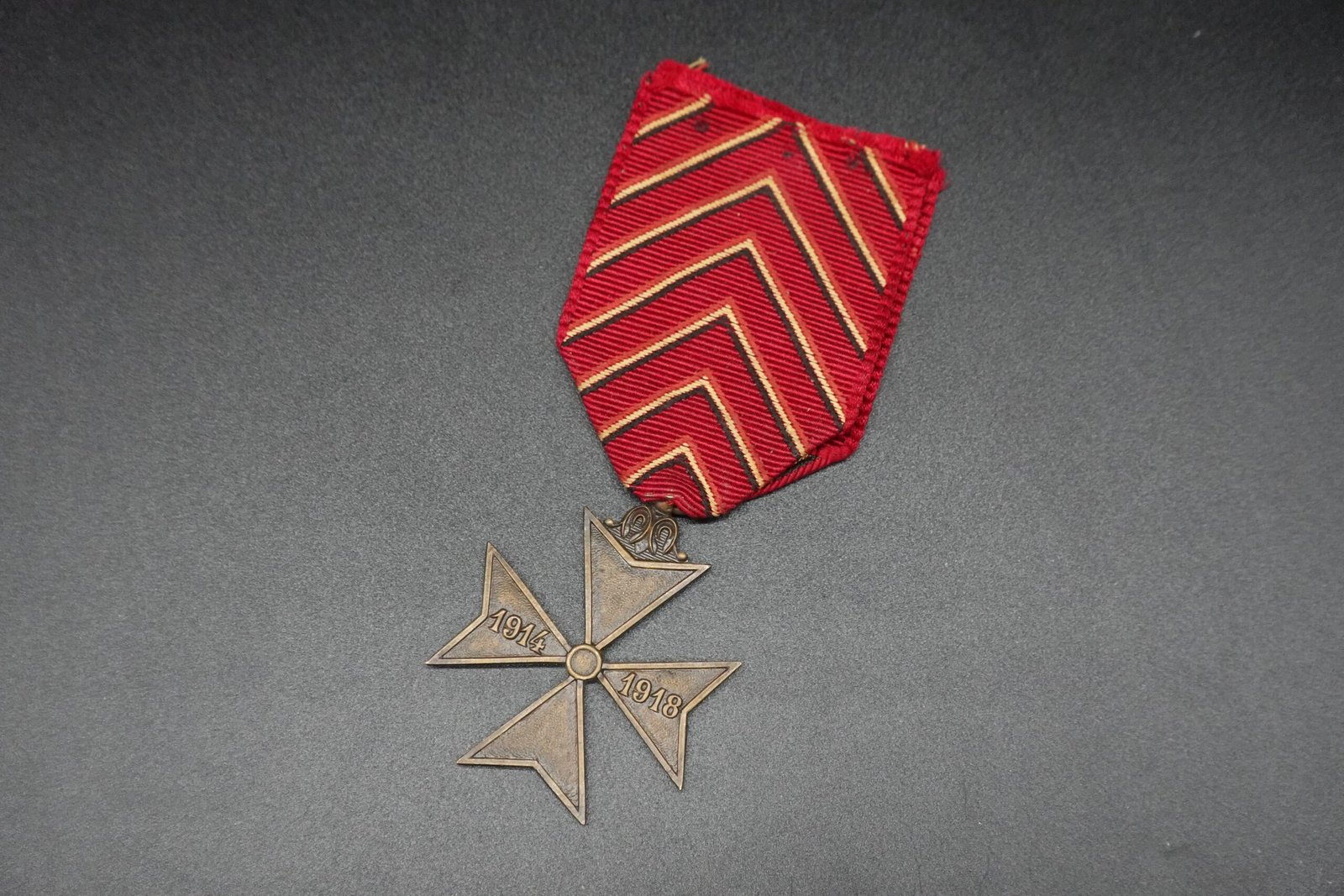
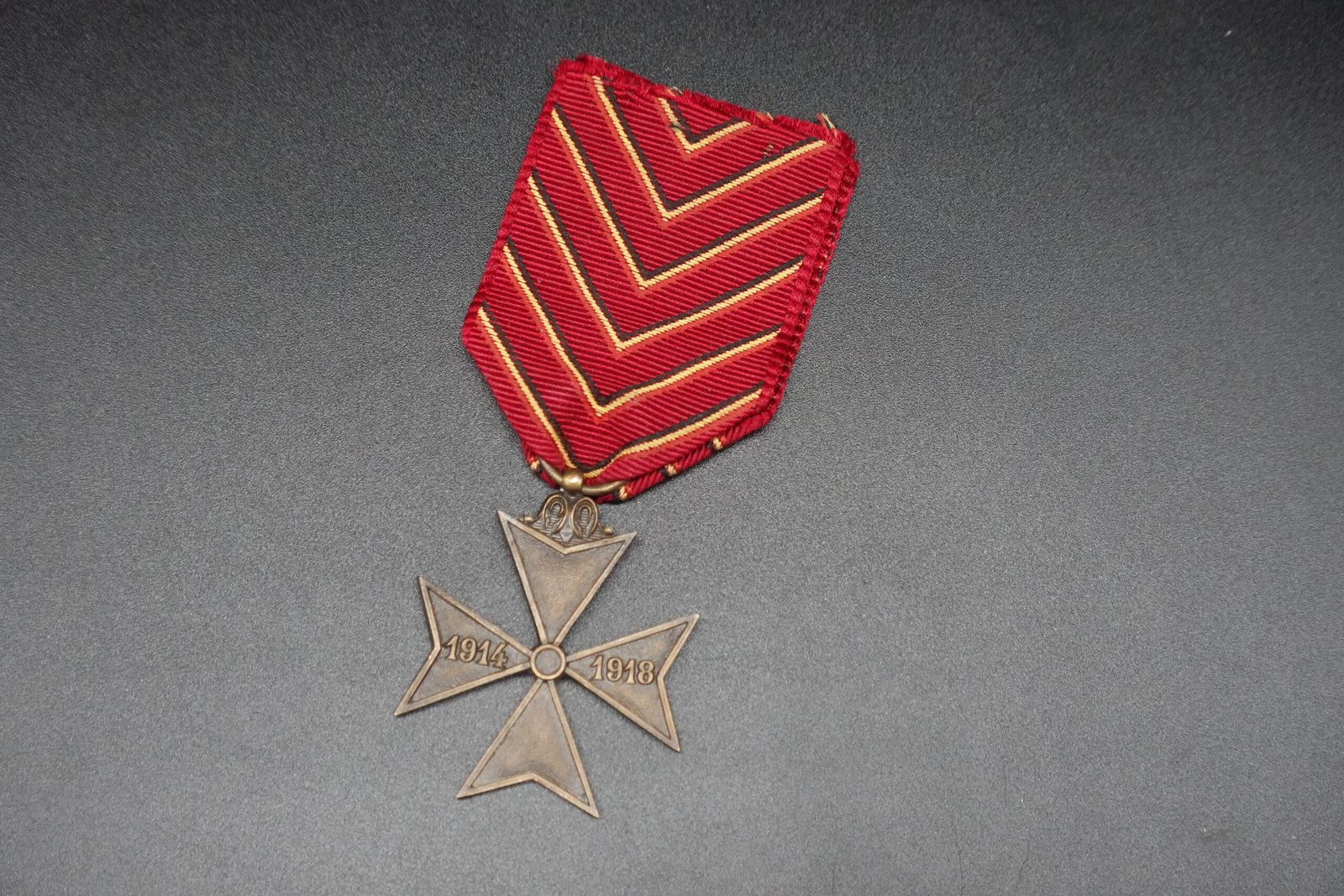
Original Belgian Deportees’ Cross 1914–1918 (Weggevoerdenkruis). The Deportees’ Cross 1914–1918 is a Belgian war decoration established by Royal Decree on 27 November 1922. It was awarded to Belgian civilians who were deported to Germany for forced labour during the First World War, recognizing their suffering and endurance under occupation.
Deportees who died during deportation were not eligible for this cross. Instead, they were posthumously honored with the Order of Leopold II, distinguished by a ribbon bearing a central longitudinal gold stripe.
A rare and meaningful piece of First World War history, especially valued by collectors focusing on civilian experiences and occupation-era memorabilia.
Wolfgang Historica is a trusted seller with years of experience and consistently positive reviews. We are always interested in purchasing collections or unique objects and also offer a professional consignment service. Buy with confidence.
Historical Description
Original Belgian Deportees’ Cross 1914–1918 (Weggevoerdenkruis). The Deportees’ Cross 1914–1918 is a Belgian war decoration established by Royal Decree on 27 November 1922. It was awarded to Belgian civilians who were deported to Germany for forced labour during the First World War, recognizing their suffering and endurance under occupation.
Deportees who died during deportation were not eligible for this cross. Instead, they were posthumously honored with the Order of Leopold II, distinguished by a ribbon bearing a central longitudinal gold stripe.
Award Description
The decoration is a 38 mm wide bronze cross pattée, with identical obverse and reverse designs.
The horizontal arms feature the raised inscriptions:
“1914” on the right arm
“1918” on the left arm
The cross is suspended from a ring passing through a suspension loop at the top.
It is worn on a 37 mm ribbon (typically in green tones with contrasting stripes), symbolizing hope and the hardships endured during deportation.
A rare and meaningful piece of First World War history, especially valued by collectors focusing on civilian experiences and occupation-era memorabilia.