WWII Soldbuch & Wehrpass Grouping – Pionier Veteran of Poland, France, Eastern Front & Festungs-Pionier-Kdr. I – Signatures of Generals
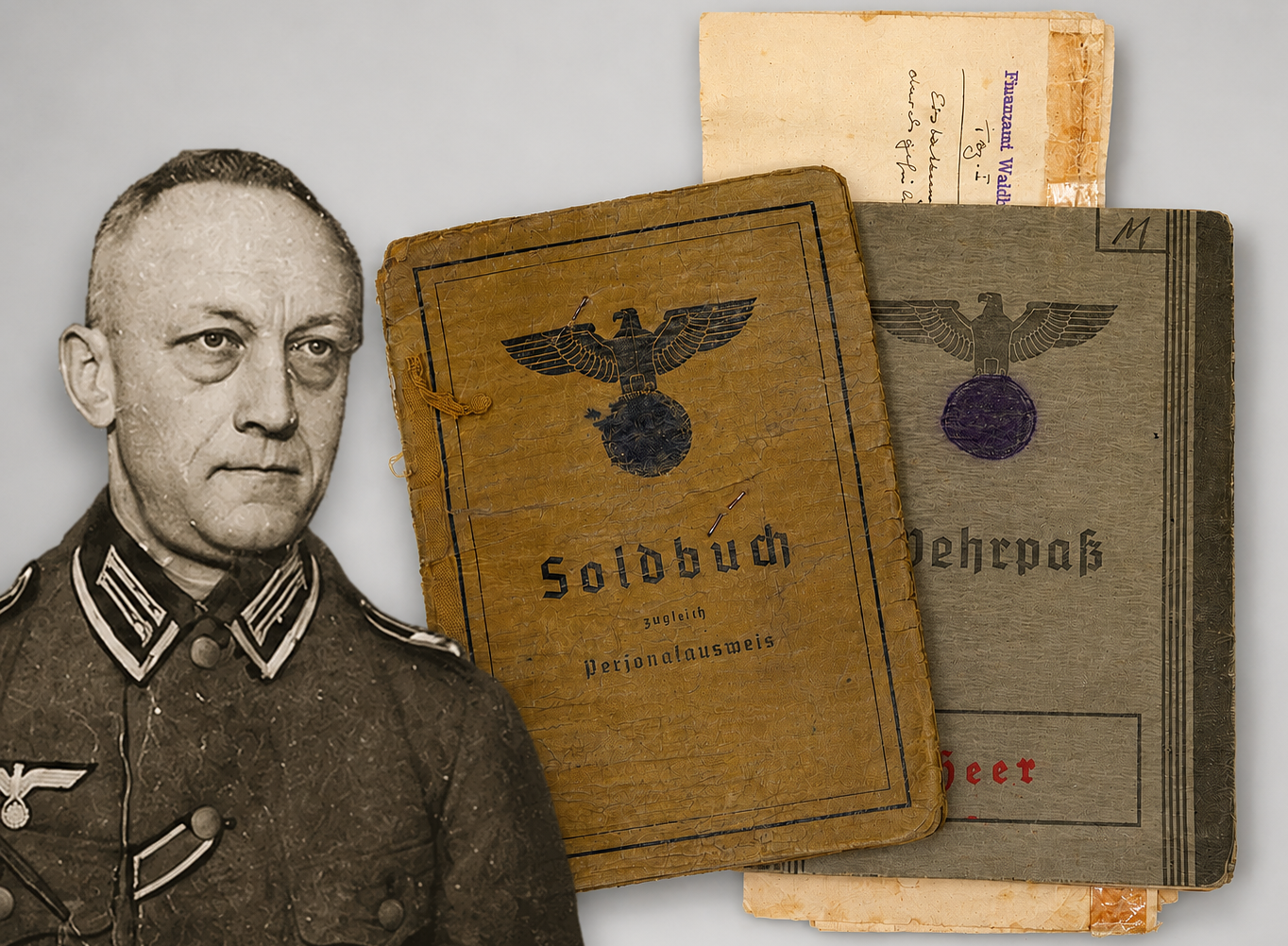
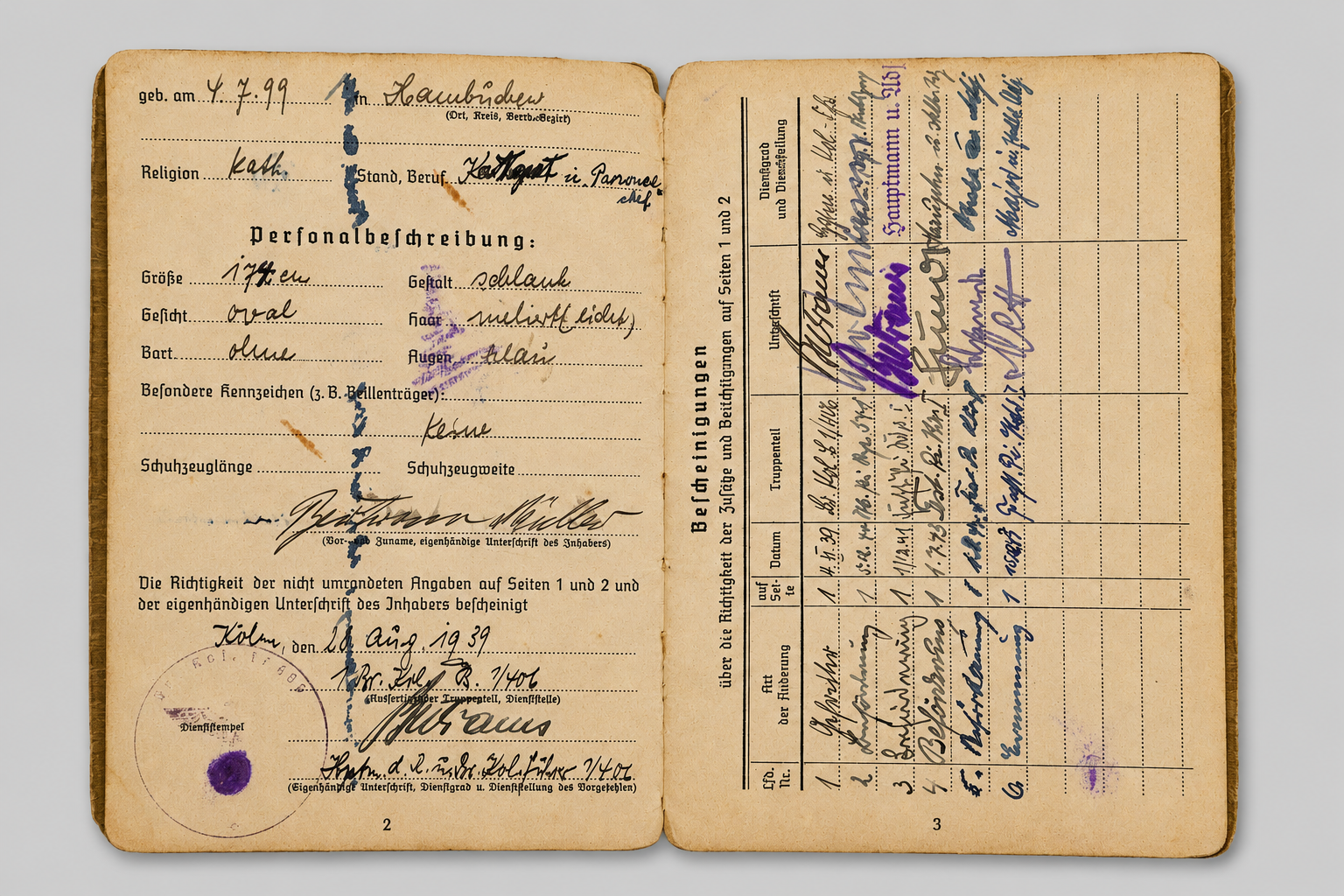
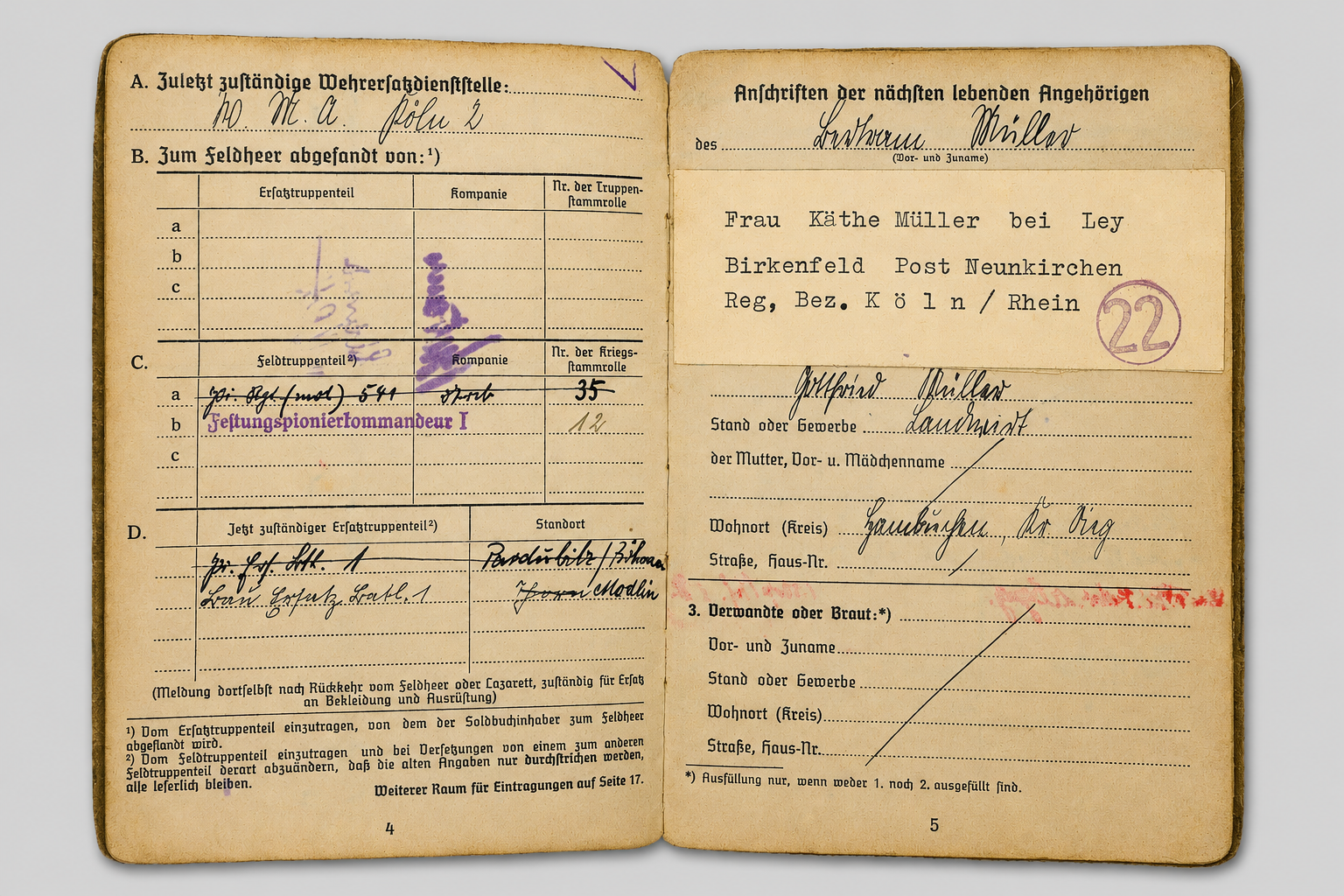
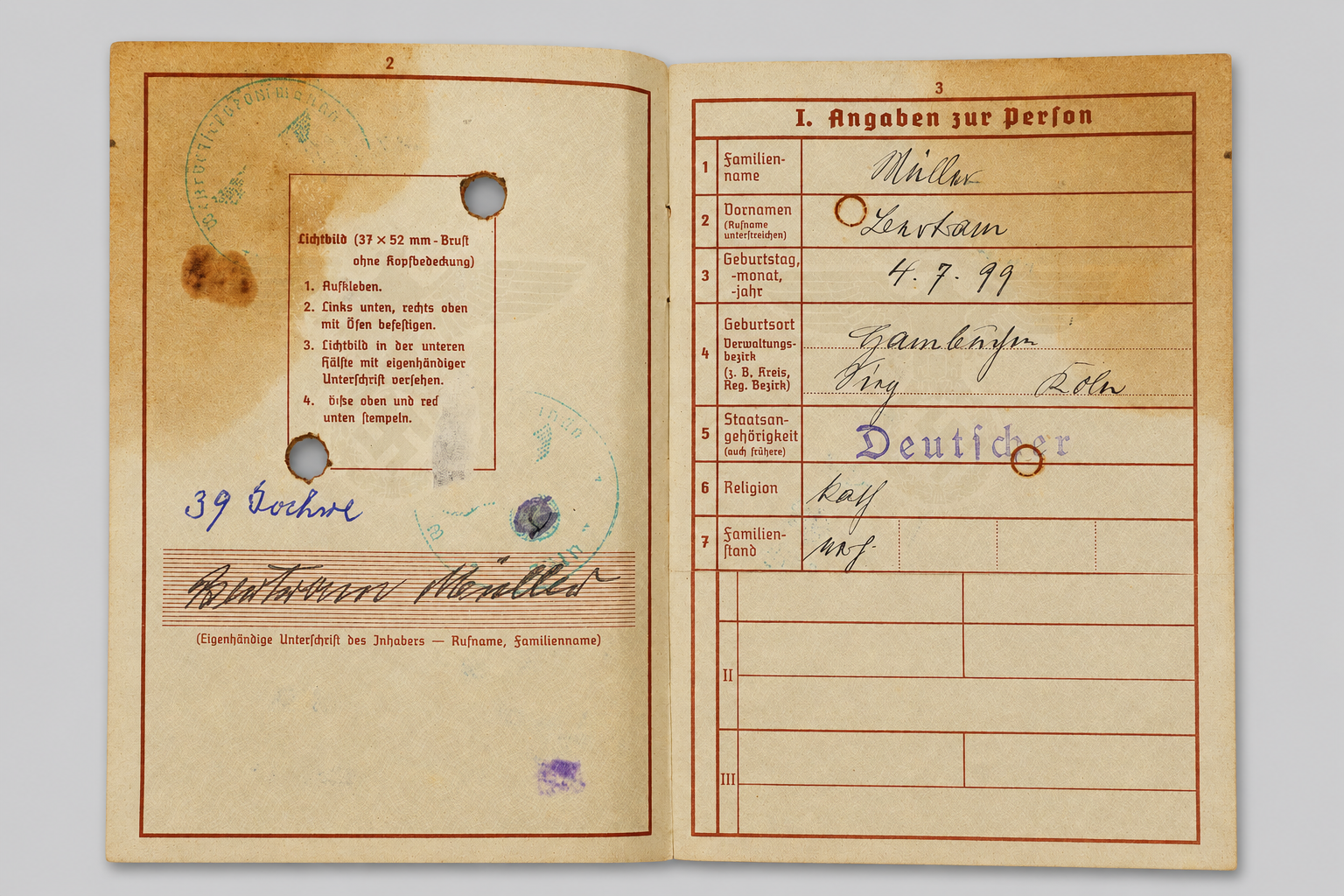
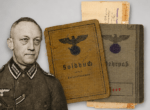
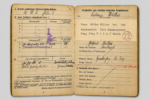
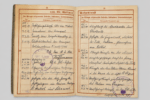
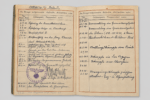
A very interesting and extensively used original WWII German Soldbuch & Wehrpass grouping belonging to Oberfeldwebel Lorenz Müller, born on 4 July 1899, a long-serving Pionier (combat engineer) veteran whose wartime service spanned nearly the entire Second World War.
Units Mentioned
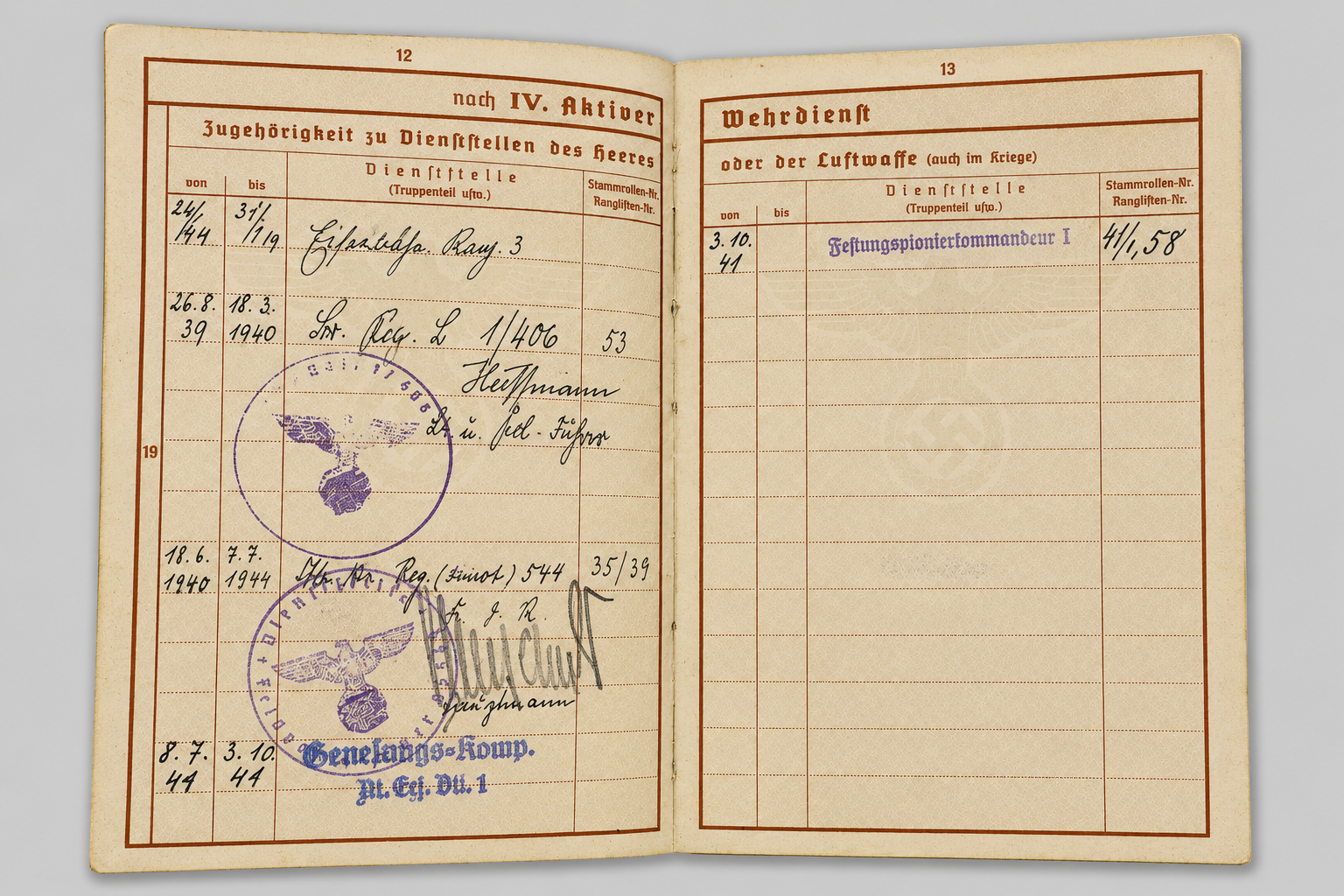
- Brückenkolonne B (mot.) 1/406 (issuing unit of the Soldbuch)
- Pionier-Regiment 541
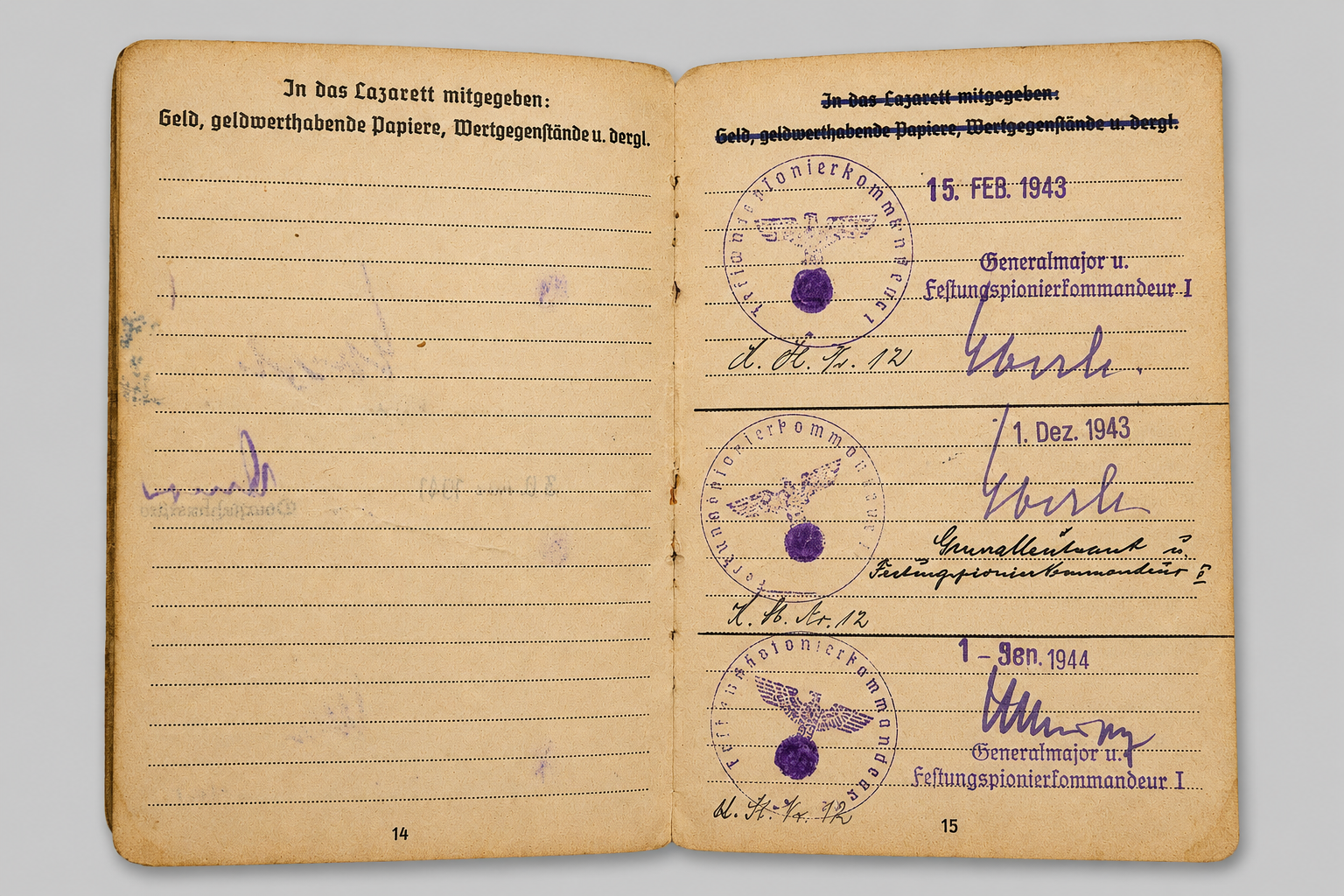
- Festungspionierkommandeur I
Awards Recorded
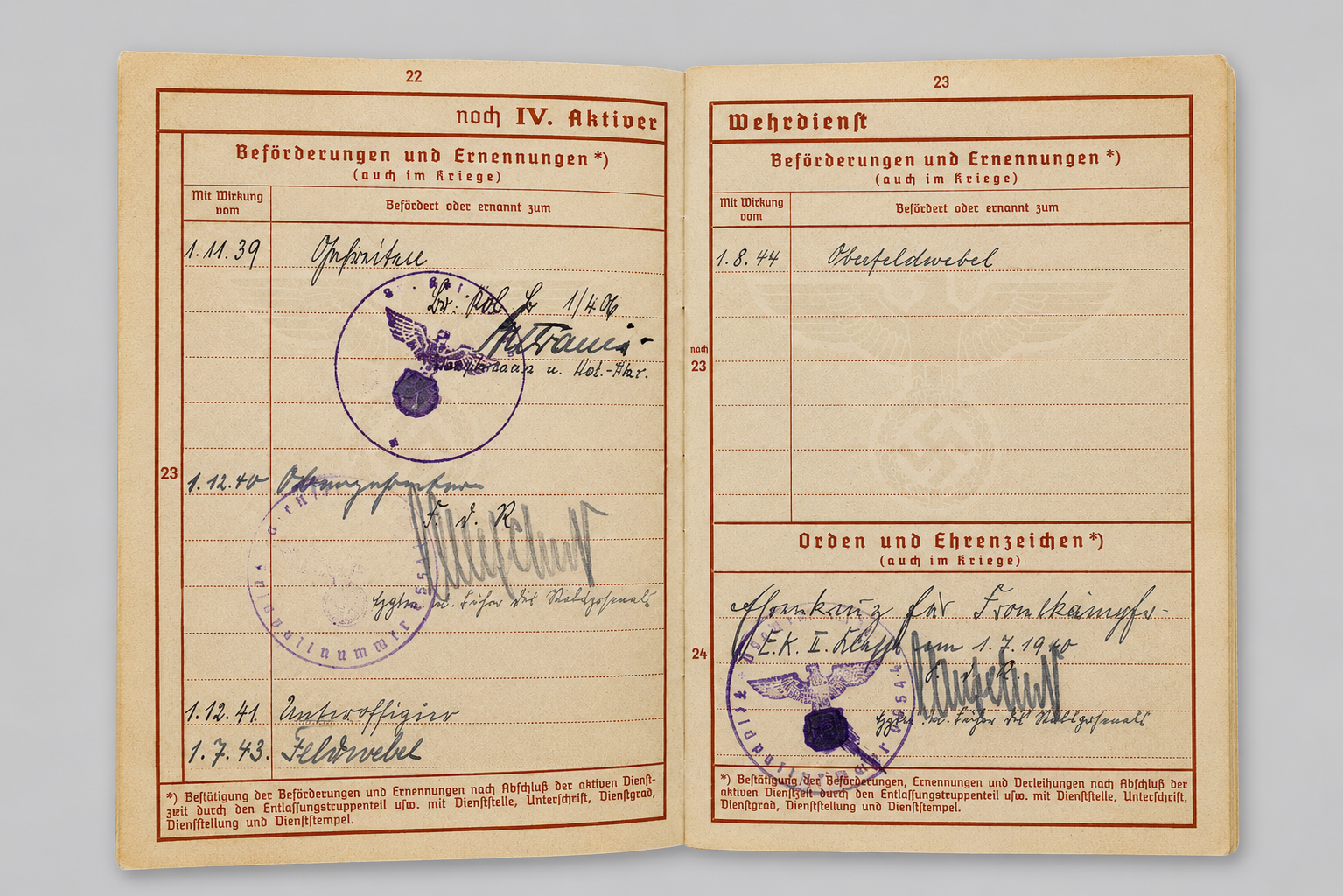
- Ehrenkreuz für Frontkämpfer
- Eisernes Kreuz 2. Klasse (Iron Cross 2nd Class) – awarded 1 July 1940
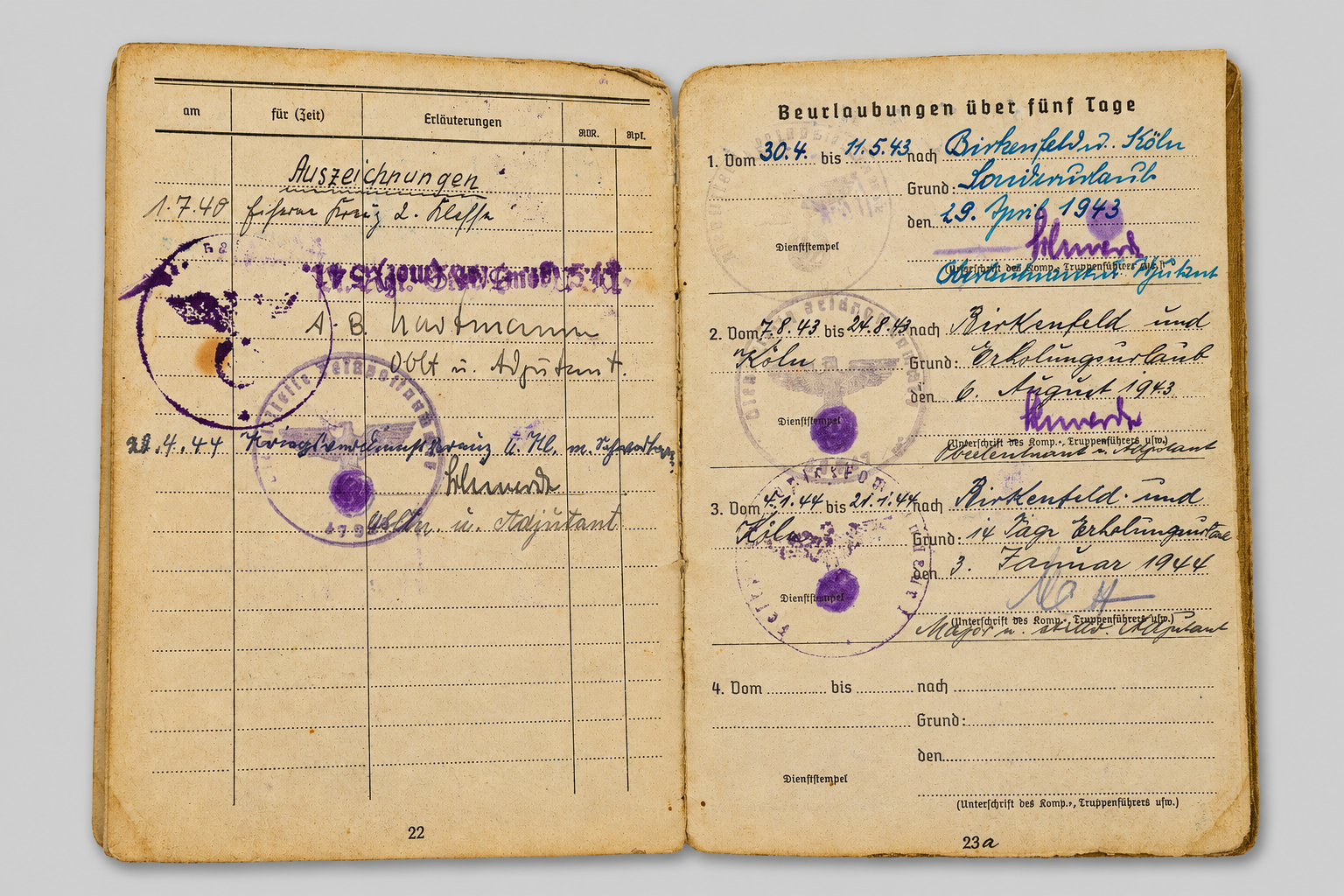
- Kriegsverdienstkreuz 2. Klasse mit Schwertern (War Merit Cross 2nd Class with Swords) – awarded on 20 April 1944
This historically rich grouping documents frontline and combat-support service through multiple major campaigns, including:
- Poland 1939
- Belgium & France 1940
- Yugoslavia / Balkans Campaign
- Crimea
- Caucasus
- Kuban bridgehead
- Eastern Front retreat battles
- Final defensive fighting in Germany during 1945
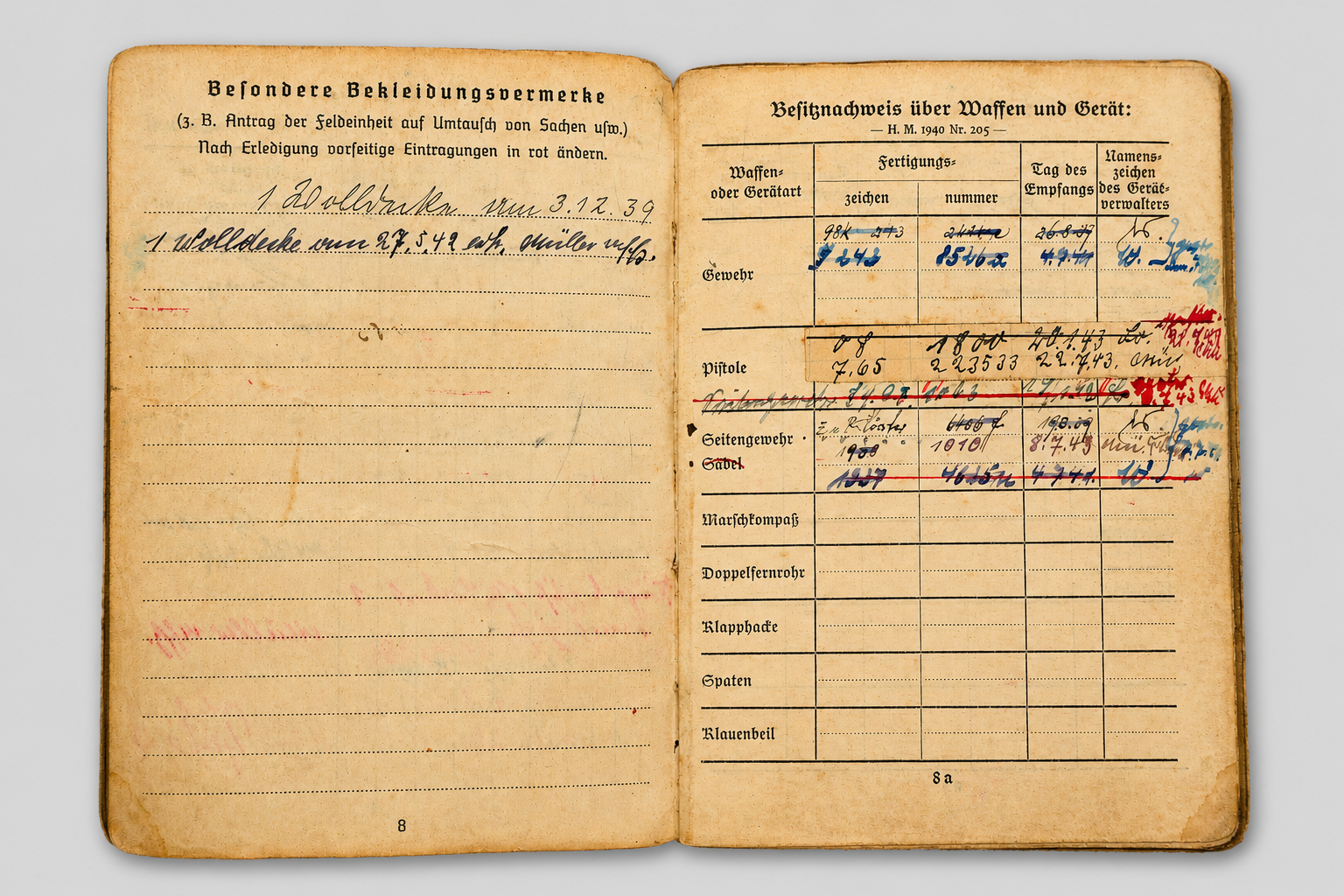
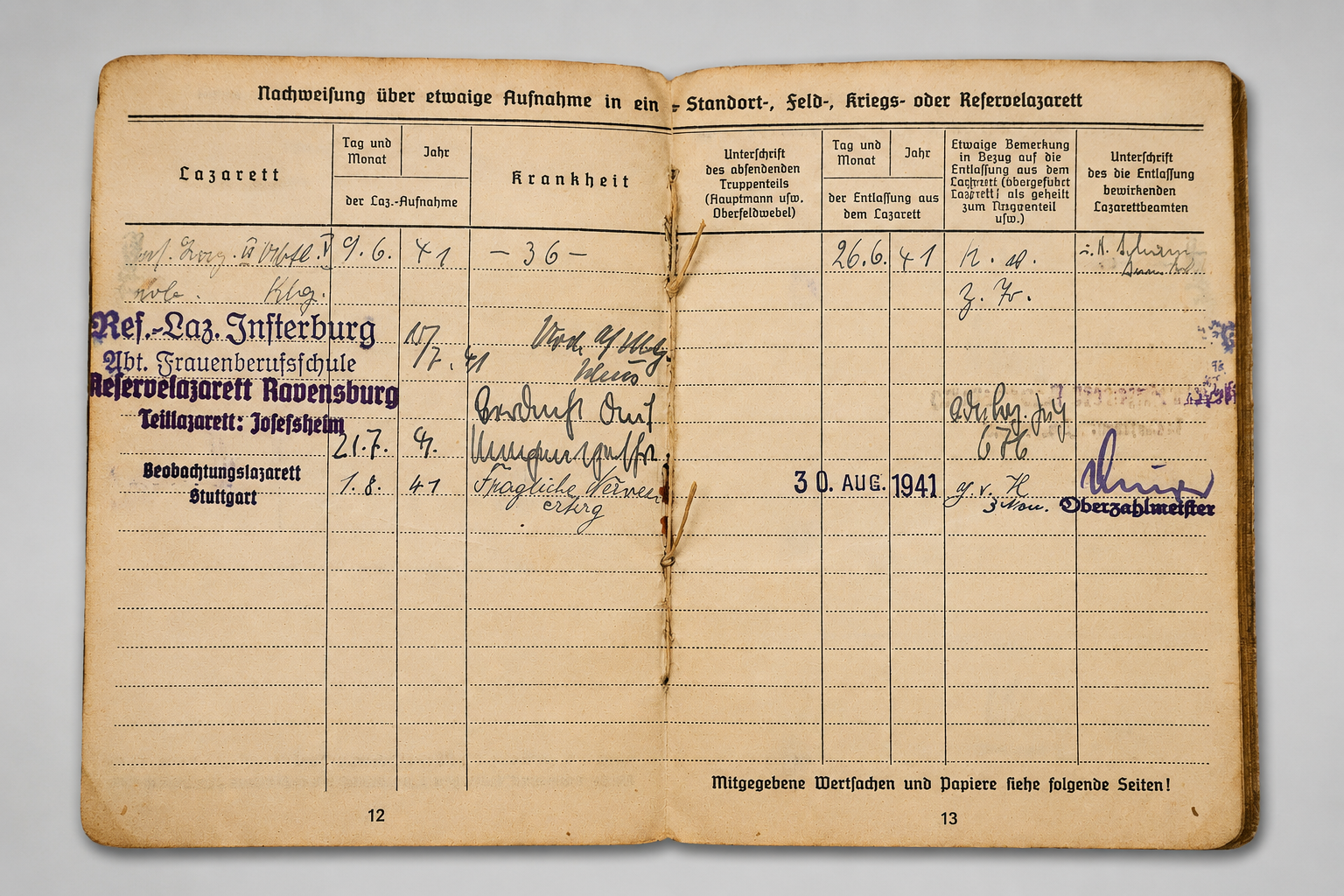
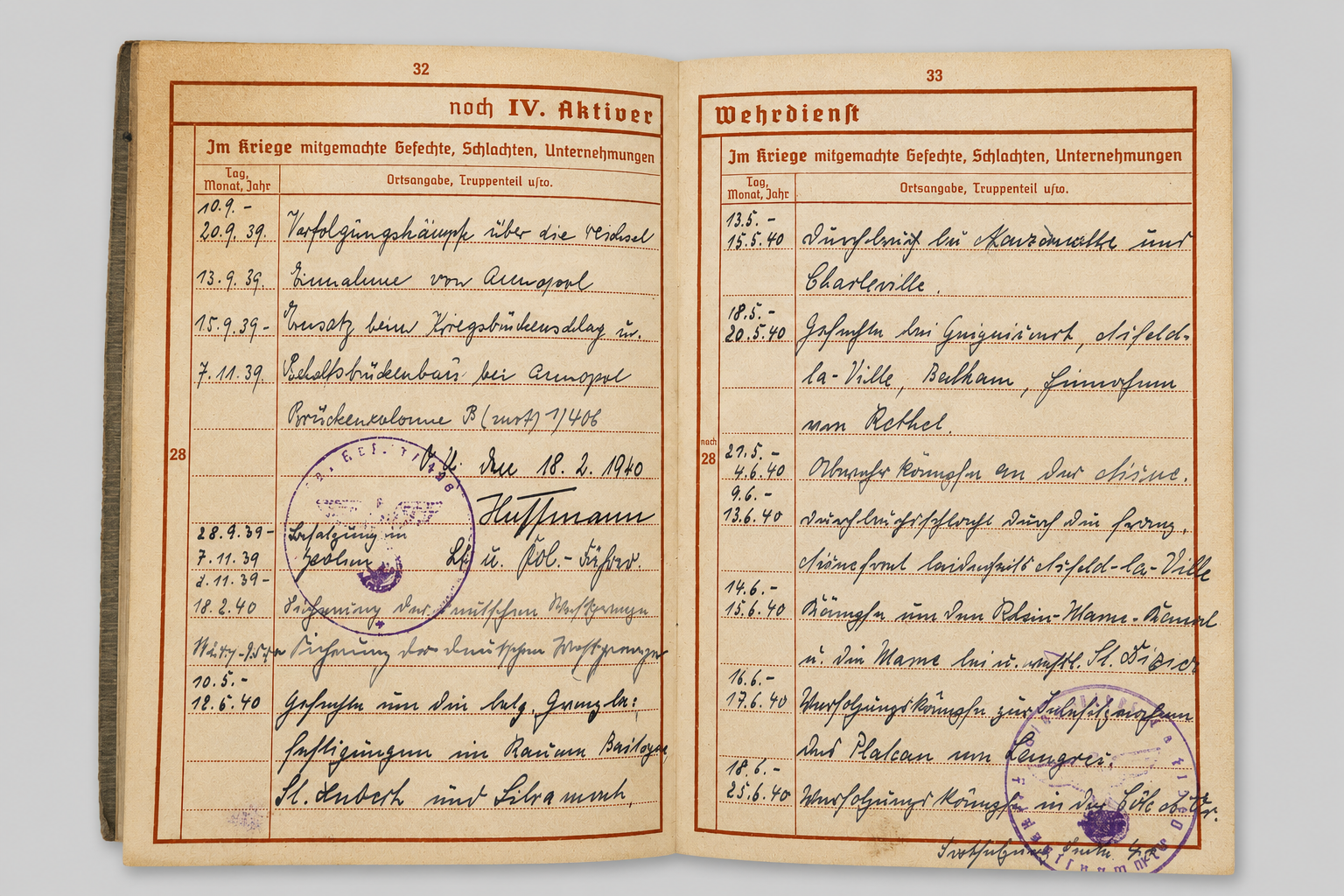
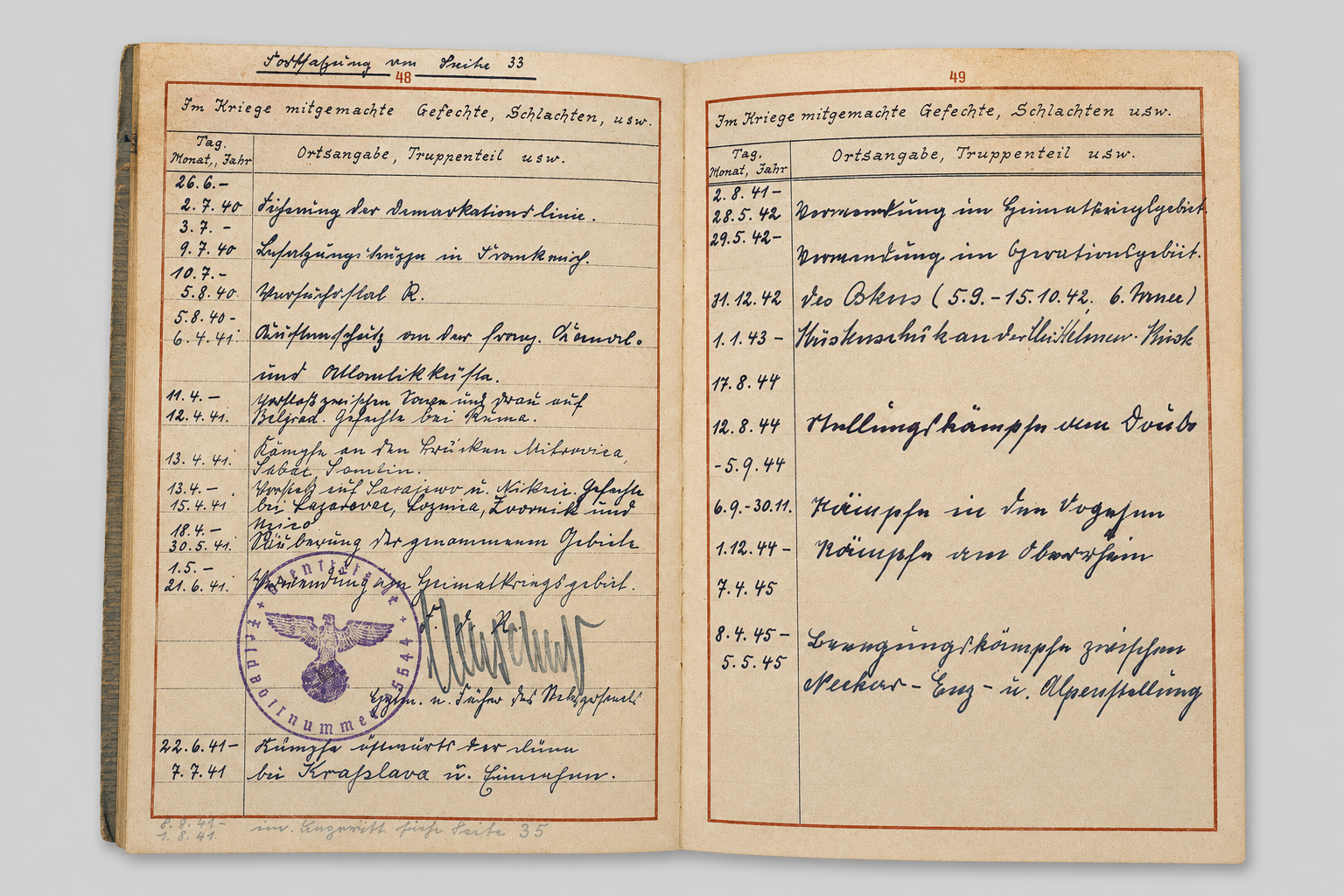
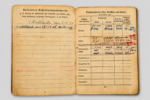
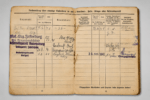
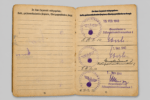
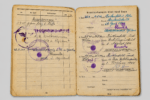
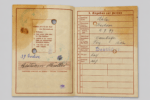
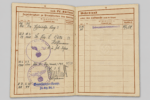
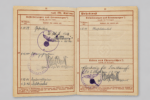
The Wehrpass remains extensively filled out with original wartime entries, combat participation notes, promotions, equipment issue records, leave entries, hospital stays, and numerous wartime unit stamps.
Rank Progression
- Gefreiter
- Unteroffizier
- Feldwebel
- Final rank: Oberfeldwebel
Combat & Operational History Includes
- Crossing of the Weichsel / Vistula
- Operations around Annopol
- Campaign in Belgium & France
- Fighting around Dinant, the Somme, and the Ardennes
- Balkan operations including Sarajevo, Zvornik, and Bosnia
- Operations in the Crimea
- Service in the Kuban bridgehead
- Eastern Front retreat fighting
- Final defensive battles in Germany and the Alpine region
Particularly interesting are wartime signatures from:
- Generalmajor René Eberle (KIA March 1945)
- Generalmajor Wilhelm Ullersperger (captured November 1944, recipient of the Deutsches Kreuz in Gold)
As a combat engineer, Müller served in highly demanding operational roles supporting troop movements, river crossings, fortifications, demolitions, and battlefield infrastructure under front-line conditions throughout nearly the entire war.
A very attractive and highly researchable Pionier veteran grouping with exceptionally long wartime service and extensive campaign history.
Condition
Condition is overall good and untouched for its age, showing clear wartime use, wear, staining, and aging consistent with field-carried documents.
The original photograph has been removed from the Wehrpass.
All visible insignia and swastikas within the documents have been denazified.
Please study the photographs carefully for overall condition and completeness.
€175,00
Out of stock
Out of stock
Details
Statement
Wolfgang Historica is a trusted seller with years of experience and consistently positive reviews. We are always interested in purchasing collections or unique objects and also offer a professional consignment service. Buy with confidence.
Historical Description
German Pionier troops (combat engineers) formed one of the most important specialist branches of the Wehrmacht during the Second World War. Their duties extended far beyond simple construction work and included:
- bridge building and river crossings,
- demolition operations,
- mine clearing,
- fortification construction,
- assault engineering,
- road and infrastructure repair,
- and direct combat support for advancing infantry and armored formations.
Units such as Brückenkolonnen (bridge columns) played a critical logistical and tactical role during the rapid German campaigns of the early war years. Motorized bridge units were responsible for transporting and deploying pontoon bridges and crossing equipment, enabling German forces to maintain momentum during offensives such as the invasions of Poland, France, and the Soviet Union.
Lorenz Müller’s documented service history reflects the operational path of many experienced long-service Pionier veterans of the Wehrmacht. His wartime career spans nearly the entire conflict, beginning with the invasion of Poland in 1939 and continuing through:
- the Western Campaign in Belgium and France,
- Balkan operations,
- the fighting in the Crimea,
- operations in the Caucasus and Kuban bridgehead,
- the long retreat battles on the Eastern Front,
- and finally the defensive collapse of Germany in 1945.
The mention of locations such as Dinant, the Somme, Sarajevo, Bosnia, Crimea, and the Kuban bridgehead reflects the enormous geographical range over which German engineer units operated during the war.
Particularly significant is the documented service in the Kuban bridgehead, a major German defensive position in southern Russia during 1943. Pioneer units were heavily involved there in maintaining defensive positions, supply routes, bridge crossings, and evacuation infrastructure under constant Soviet pressure.
By the final phase of the war, experienced engineer NCOs such as Müller became increasingly valuable as German forces transitioned from offensive warfare to desperate defensive operations inside Germany itself.
The presence of signatures from senior officers including Generalmajor René Eberle and Generalmajor Wilhelm Ullersperger further enhances the historical interest and research potential of the grouping.
Complete and extensively filled wartime Soldbuch & Wehrpass groupings documenting long-term service across multiple major campaigns are increasingly sought after today, particularly when connected to combat engineer formations and Eastern Front operations.