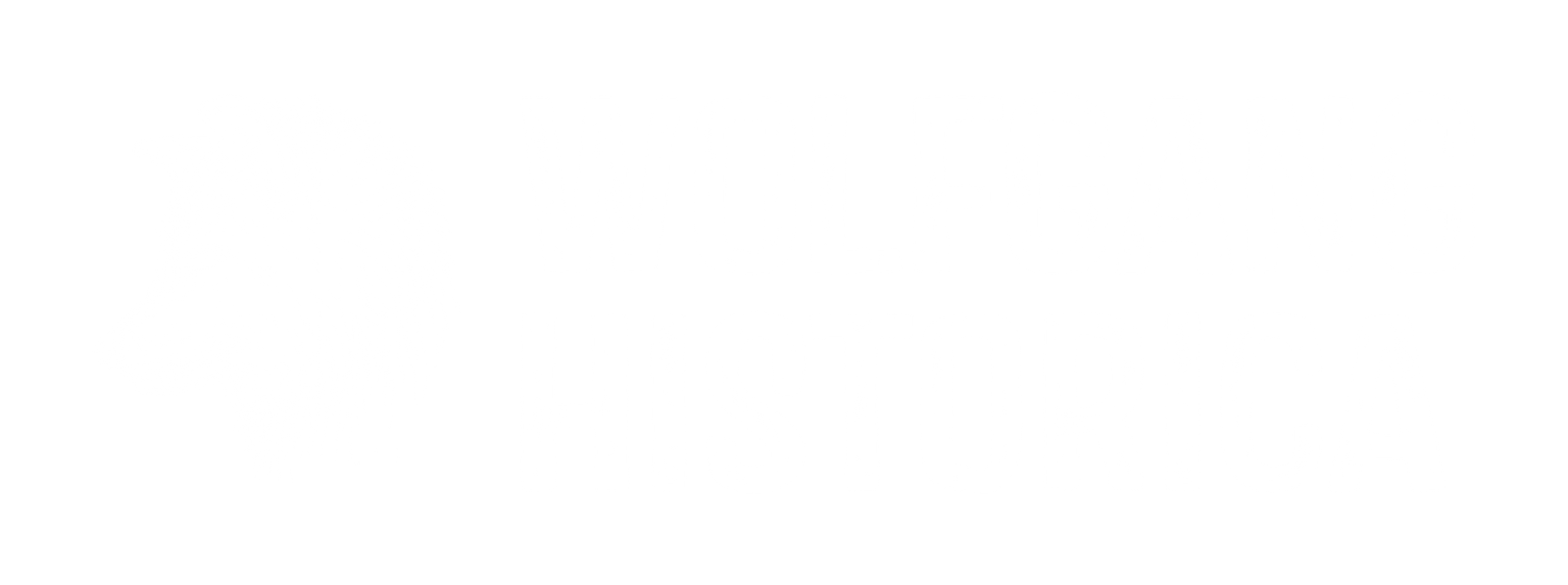


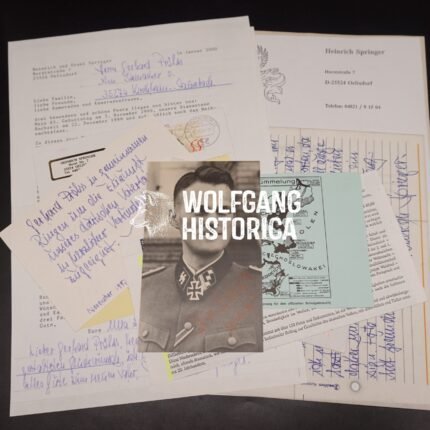
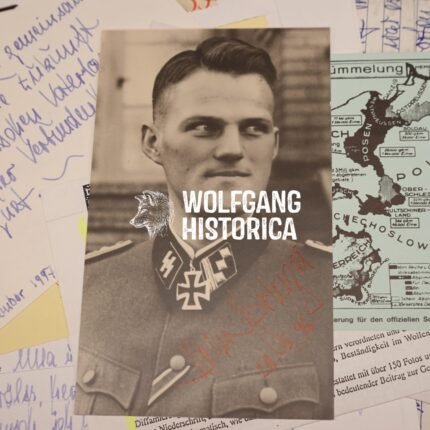
Heinrich Springer – “LSSAH” & “Hitlerjugend” Division (Normandy, Arnhem)
€65,00Set of Heinrich Springer! Including original Postwar Signature on a Postwar Photo of Heinrich Springer. SS-Sturmbannführer Heinrich Springer (03.11.1914 † 27.10.2007) earned the Ritterkreuz des Eisernen Kreuzes on January 12, 1942 as SS-Hauptsturmführer und Führer of the 3. Kompanie/ “Leibstandarte-SS Adolf Hitler”. Postcardsize. Comes with a letter!

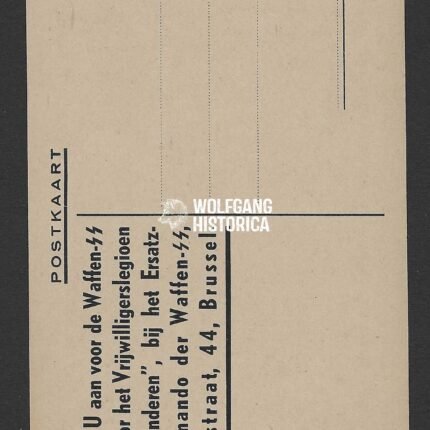
Flemish Waffen-SS Recruitment Postcard – “Vlaanderen vraagt Soldaten”
€0,01Original World War II Flemish Waffen-SS recruitment postcard bearing the slogan “Vlaanderen vraagt Soldaten” (“Flanders calls for soldiers”). The design depicts a medieval Flemish warrior alongside a modern Waffen-SS soldier, symbolizing historical continuity and used as propaganda to encourage Flemish enlistment.
The reverse text instructs volunteers to register for the Waffen-SS or the Flemish Volunteer Legion at the Ersatzkommando der Waffen-SS – Wetstraat 44, Brussels, a well-known recruitment address during the occupation.
Details:
-
Period Flemish Waffen-SS propaganda postcard
-
Recruitment message for Flemish volunteers
-
Issued from Brussels (Wetstraat 44)
-
Standard postcard size
Condition:
Original wartime item. Condition as shown, with light age toning and minor handling wear consistent with period postcards. Unused.
A historically significant and visually striking Flemish collaboration propaganda postcard, desirable for collectors of Waffen-SS material, Flemish occupation history, or WWII propaganda ephemera.

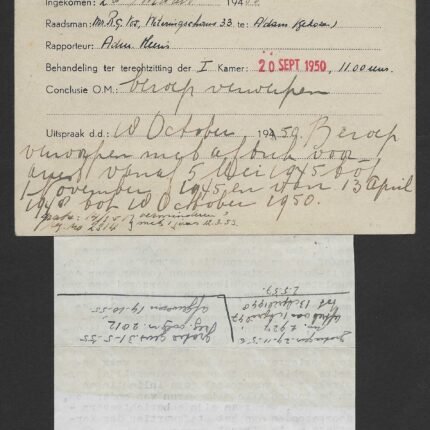
Post-War Dutch Judicial Index Card – Dutch Waffen-SS Case (Amsterdam)
€90,00Original post-war Dutch judicial registration card (justitiële / vonnissenkaart), issued within the framework of the Dutch Bijzondere Rechtspleging (Special Courts), relating to Lambertus Thomas van Gog (1916–1996), a convicted Dutch Waffen-SS collaborator.
Description
This authentic judicial card documents the prosecution and sentencing of Lambertus van Gog, who was tried by the Bijzonder Gerechtshof in Amsterdam following the Second World War.
Van Gog is historically known for his role in collaboration with the German occupying forces and for his involvement in Aktion Silbertanne reprisals.
Translated judicial content (summary)
According to the card, Lambertus van Gog:
-
Voluntarily entered German military service in February 1941, joining the Waffen-SS
-
Was active in 1943–1944 in the provinces of North Holland and Utrecht for the German SS intelligence service
-
Gathered and transmitted intelligence reports concerning:
-
Jews
-
Resistance members
-
Anti-German individuals (including communists)
-
Persons in hiding
-
Distributors of illegal publications
-
-
Forwarded these reports to SS headquarters in Utrecht
-
Was involved in a reprisal murder, explicitly mentioned on the card (the murder of Dutch author A.M. de Jong, carried out with Daniel Bernard)
Judicial outcome
-
Court: Bijzonder Gerechtshof, Amsterdam
-
Sentence: 20 years imprisonment, with deduction of pre-trial detention
-
Appeal: Noted and recorded
-
Final ruling: 1950
Historical significance
-
Primary-source judicial document, not a later copy
-
Directly linked to one of the most well-documented Dutch collaboration and reprisal cases
-
Exceptional research value for:
-
Waffen-SS and collaboration history
-
Aktion Silbertanne
-
Post-war justice and trials in the Netherlands
-
-
Such cards often survive without the full court dossier, making them crucial standalone records
Condition
Original document in used archival condition, with typed and handwritten entries. Wear consistent with age and official handling.
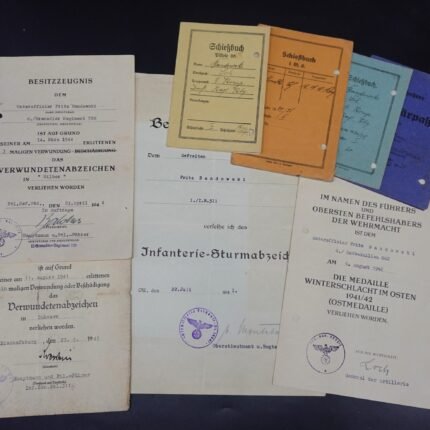
WWII Wehrmacht Soldier Document Grouping – Ostbataillon 662!
€250,00WWII German Wehrmacht Soldier Document Grouping – Awards, Shooting Books & Certificates (Named)
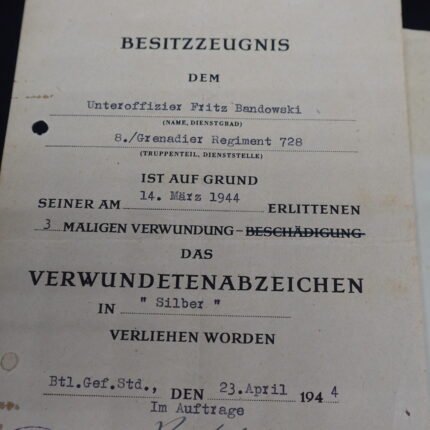
Original World War II German Wehrmacht document grouping attributed to Unteroffizier Fritz Bandowski, consisting of multiple period-issued certificates and soldier booklets. This is a cohesive, named group that remained together and documents the military service and awards of one individual.
Included documents:
-
Wound Badge Certificate (Verwundetenabzeichen in Silber)
Awarded for three separate wounds, dated 14 March 1944, with unit attribution to 8./Grenadier-Regiment 728. Original stamp and signature present. -
Wound Badge Certificate (Verwundetenabzeichen in Schwarz)
Earlier award document, dated 23 September 1941, documenting combat injury. -
Infantry Assault Badge (Infanterie-Sturmabzeichen) Award Document, dated 22 July 1941.
-
Eastern Front Medal (Ostmedaille) Award Document, dated 6 August 1942 while serving with Ostbataillon 662!
Unit History Note – Ostbataillon 662
One of the documents in this grouping confirms service with 6./Ostbataillon 662, a unit composed of Eastern volunteers (“Osttruppen”) serving under German command. Ostbataillone were typically formed from former Soviet POWs and volunteers and were employed by the Wehrmacht primarily in rear-area security, anti-partisan operations, and later frontline duties, particularly on the Eastern Front.
Ostbataillon 662 was active during the Eastern Front campaigns of 1941–1942, the period corresponding with the award of the Winterschlacht im Osten 1941/42 (Ostmedaille) included in this group. German NCOs such as Unteroffizier Bandowski were commonly assigned to these battalions in leadership and training roles, overseeing companies composed largely of non-German personnel.
Service in an Ostbataillon adds historical interest, as these formations reflect the manpower shortages faced by the Wehrmacht and the increasingly complex structure of German field units as the war progressed.
-
Multiple original “Schießbuch” (shooting record books) including:
-
Pistol 08 shooting book
-
Light machine gun (l.M.G.) shooting book
-
Additional shooting records
All named to Bandowski and period filled out.
-
-
Reichswehrpaß
Condition:
All items are original wartime documents. Condition ranges from good to very good for age, with expected wear such as folds, punch holes, edge wear, light staining, and aging to paper. Stamps, text, and handwriting remain clearly legible. No modern reproductions.
Notes:
-
All documents are matching named and form an authentic veteran grouping.
-
Historically significant combat-related awards are documented, including multiple wounds and Eastern Front service.
-
Ideal for advanced collectors of WWII German militaria, document groupings, or Wehrmacht award research.
Guaranteed original. Sold as a complete grouping only.
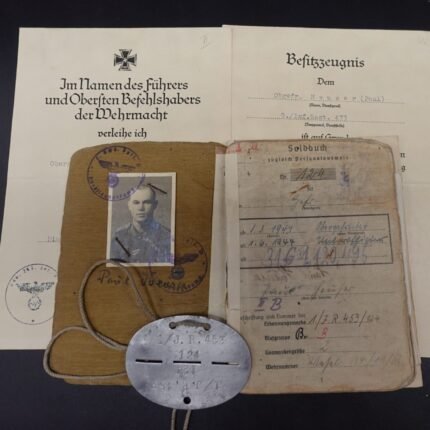
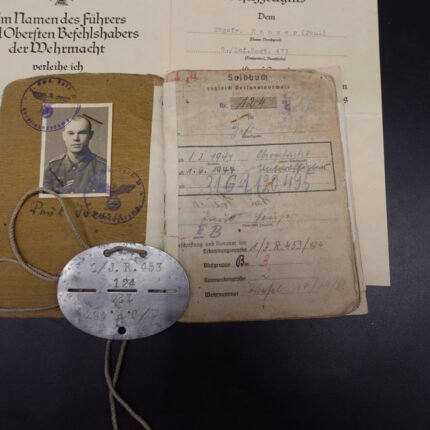
WH Soldbuch, EKM & Document Grouping (Inf.-Rgt. 473, Lds.-Schtz.-Btl. 319) (Captured by US)
€250,00A compact yet historically rich Wehrmacht document grouping to Obergefreiter Paul Heuser, consisting of his original Soldbuch, Erkennungsmarke, award documents, and several late- and post-war papers, including POW material. All components are period originals and form a coherent, matching set.
Contents of the Grouping
-
Original Soldbuch, issued to Obergefreiter Paul Heuser
-
Matching Erkennungsmarke, correctly numbered and fully corresponding to the Soldbuch
-
Award document for the Eisernes Kreuz 2. Klasse
-
Award document for the Verwundetenabzeichen in Schwarz
-
Additional service and administrative documents, including POW-related paperwork from 1945–1946
Military Service
Paul Heuser served primarily with Infanterie-Regiment 473, including duty with the Stab of the 253. Infanterie-Division, and later ended his service with Landesschützen-Bataillon 319. His Soldbuch documents a frontline infantry career typical of the Eastern Front formations of the Heer.
Awards Confirmed in the Soldbuch
-
Eisernes Kreuz 2. Klasse (EK2)
-
Verwundetenabzeichen in Schwarz
-
Winterschlacht im Osten 1941/42 (Ostmedaille)
The EK2 and Wound Badge award documents accompany the group and match the entries in the Soldbuch. Notably, the Soldbuch is denazified, as commonly encountered in late-war or post-war retained documents, while the EK2 award document remains non-denazified, providing an interesting contrast within the set.
Condition
The Soldbuch shows honest period wear consistent with field use, including handling, edge wear, and age toning, but remains complete and legible throughout. The Erkennungsmarke displays normal wear with clear stamping. Paper documents show expected aging but no major damage.
Historical Significance
This grouping offers an excellent snapshot of a German infantryman’s wartime service: Eastern Front combat, wounding, decorations, late-war transfers, and eventual capture by U.S. forces in 1945. The inclusion of POW documentation adds further depth and desirability, illustrating the soldier’s transition from Wehrmacht service to Allied captivity.
Collector’s Note
A desirable, well-matched small grouping that combines combat awards, identity disc, and post-war documentation. Ideal for collectors seeking an authentic, researchable Heer infantry set with clear unit history and complete provenance.
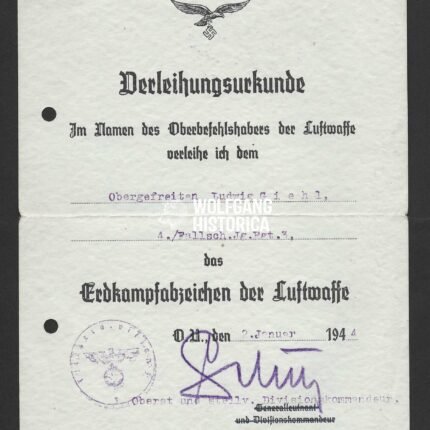
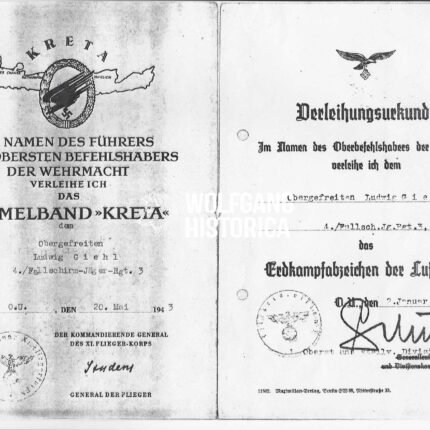
Erdkampfabzeichen Award Doc Fallschirmjäger-Regiment 3 – Italy, January 1944 (Signed by Schulz!)
€250,00Original Erdkampfabzeichen der Luftwaffe award document issued to Obergefreiter Ludwig Giehl, serving with 4. Kompanie / Fallschirmjäger-Regiment 3. The award was conferred in January 1944, during a period of sustained and intense ground combat by German Fallschirmjäger formations on the Italian front.
The document is an original wartime Verleihungsurkunde, printed in the correct format with the Luftwaffe eagle at the head and the formal wording „Im Namen des Oberbefehlshabers der Luftwaffe“. The recipient’s name, rank, and unit are neatly typewritten, fully consistent with period practice. It bears the original Luftwaffe stamp and a clear handwritten signature.
Signature
The document is signed by Oberst Karl-Lothar Schulz, at the time acting in a senior divisional command capacity. Schulz is a highly distinguished Fallschirmjäger officer and later Generalmajor der Luftwaffe, awarded the:
-
Ritterkreuz des Eisernen Kreuzes (24 May 1940)
-
Eichenlaub (20 April 1944)
-
Schwerter (18 November 1944)
Schulz was a veteran of the Norway campaign, the Western campaign, Crete, the Eastern Front, and later commanded Fallschirmjäger forces in Italy. Award documents bearing his signature are particularly sought after due to his status as a Knight’s Cross holder with Eichenlaub and Swords.
Recipient & Combat History
Obergefreiter Ludwig Eichl served with Fallschirmjäger-Regiment 3, a regiment of the 2. Fallschirmjäger-Division. According to an accompanying copied document included with this piece, Eichl also served on Crete, directly linking him to one of the most famous airborne operations of the war (Unternehmen Merkur, May 1941).
By January 1944, Fallschirmjäger-Regiment 3 was engaged in heavy ground combat in Italy, including defensive fighting in advance of and during the Anzio campaign. The award of the Erdkampfabzeichen der Luftwaffe reflects direct participation in sustained infantry combat, a distinction not lightly granted and especially meaningful among Fallschirmjäger personnel.
Condition
Very good original condition. One horizontal fold as issued. Light age toning and minor handling wear consistent with wartime documents. Stamp and signature remain strong and legible. Also has two punch holes.
Collector’s Note
This is a high-quality Fallschirmjäger combat award document with multiple desirable attributes:
-
Frontline Fallschirmjäger unit attribution
-
Italian Front, January 1944
-
Additional provenance linking the recipient to Crete
-
Signed by Karl-Lothar Schulz, Ritterkreuz mit Eichenlaub und Schwertern
An excellent and historically significant piece for the advanced Fallschirmjäger or Luftwaffe awards collector, combining combat history, elite unit service, and a top-tier signature.

Erich “Bubi” Hartmann – Jagdgeschwader 52 (Brillianten) (352 Aerial Victories!)
€275,00Original Postwar Signature on a Postwar Photo of Erich “Bubi” Hartmann. Major Erich Alfred “Bubi” Hartmann (19 April 1922, Weissach, Württemberg – 20 September 1993, Weil im Schönbuch, Germany) was the most successful fighter ace in aviation history, credited with an unparalleled 352 confirmed aerial victories on the Eastern Front. Known as “The Blond Knight of Germany”, Hartmann flew with Jagdgeschwader 52 (JG 52) and became one of the most decorated Luftwaffe fighter pilots of the Second World War. His skill, discipline, and survival across more than 1,400 combat missions earned him legendary status among pilots of all nations.
Awards and Decorations
-
German Cross in Gold (Deutsches Kreuz in Gold) – 17 October 1943
-
Knight’s Cross of the Iron Cross (Ritterkreuz des Eisernen Kreuzes) – 29 October 1943, as Leutnant and Flugzeugführer, 9./JG 52 (148 victories)
-
Oak Leaves (Eichenlaub) – 2 March 1944, as Leutnant and Staffelkapitän, 9./JG 52 (200 victories)
-
Swords (Schwerter) – 2 July 1944, as Oberleutnant and Staffelkapitän, 9./JG 52 (239 victories)
-
Diamonds (Brillanten) – 25 August 1944, as Oberleutnant and Staffelkapitän, 9./JG 52 (301 victories)
-
Pilot-Observer Badge in Gold with Diamonds (Gemeinsames Flugzeugführer- und Beobachterabzeichen mit Brillanten) – special presentation award
-
Numerous additional decorations including the Iron Cross 1st and 2nd Class
Career Highlights
-
Eastern Front Ace: Flew over 1,400 combat missions, engaging in aerial combat in nearly 825 of them.
-
Unmatched Record: Credited with 352 confirmed kills, all against Soviet aircraft.
-
Survival Tactics: Known for his strict discipline and patience in combat, avoiding unnecessary risks and striking with precision.
-
Last Victory: Achieved his 352nd and final victory on 8 May 1945, just hours before Germany’s surrender.
-
Postwar Captivity: Spent 10 years in Soviet captivity (1945–1955) before returning to West Germany.
-
Postwar Career: Joined the newly formed Bundesluftwaffe (West German Air Force), where he commanded a fighter wing but later resigned due to political disputes over NATO standardization.
-
Legacy: His name remains synonymous with aerial mastery, and he is celebrated as the most successful fighter ace in recorded history.
Item Details
-
Authentic postwar signature of Major Erich “Bubi” Hartmann.
-
Signed on a postwar photograph.
-
Condition: Good, clear autograph.
Collector’s Note
Hartmann’s autograph is among the most coveted in WWII aviation collecting. His record of 352 aerial victories is unmatched and will never likely be equaled. Decorated with the Ritterkreuz mit Eichenlaub, Schwertern und Brillanten and the rare Pilot-Observer Badge with Diamonds, his signature represents the pinnacle of Luftwaffe fighter history. An essential piece for any serious collection of WWII aviation memorabilia.
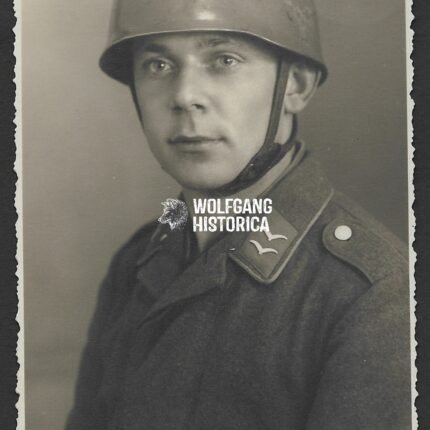
Studioportrait of Fallschirmjäger – “Südfront” FJ Helmet
€0,01Original private wartime photograph depicting a German soldier wearing a Fallschirmjäger steel helmet, photographed during the Second World War. The helmet displays a distinctive goldish-brown / tan finish, strongly indicative of Southern Front (Südfront) service, where such tones were commonly the result of repainting, dust exposure, and climatic conditions encountered in the Mediterranean and Balkan theaters.
The photograph is postcard size and printed on period photographic paper with scalloped (deckle) edges, a format widely used for privately commissioned wartime portraits intended for family correspondence.
Condition:
Very good wartime condition. The image remains sharp with clear facial detail and good contrast. Light, even age toning consistent with period photographs. No major creases or damage.
Collector’s Note:
Authentic wartime Fallschirmjäger portraits are highly sought after, particularly examples showing helmets with Southern Front characteristics. The distinctive helmet coloration adds strong contextual value, making this photograph especially appealing to collectors focused on Fallschirmjäger, Luftwaffe ground forces, or Mediterranean / Balkan theater operations.
A genuine, evocative wartime private photograph offering strong visual and historical appeal.
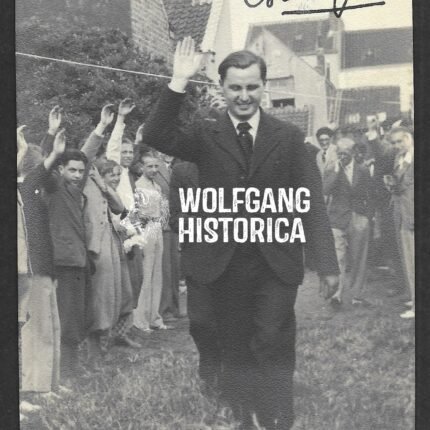
Pre-War Private Photograph – Léon Degrelle – Personally Signed, c. 1938–1939
€0,01Original pre-war private photograph depicting Léon Degrelle, leader of the Belgian Rexist movement, walking and greeting supporters during a public appearance in Belgium, circa 1938–1939, prior to the outbreak of the Second World War.
The image shows Degrelle in civilian attire, raising his hand in greeting while surrounded by supporters, reflecting the height of his political prominence in the late 1930s. Unlike press-issued images, this photograph is a privately taken snapshot, not a press photo, adding to its scarcity and personal character.
The photograph is personally signed by Léon Degrelle in ink on the image, with a clear dedication. Authentic pre-war signatures of Degrelle on private photographs are notably more difficult to encounter than postwar signed material.
The reverse is Agfa postcard-format photographic paper, consistent with private photography of the period.
Condition:
Good overall condition. Light handling wear and minor age-related marks consistent with a private photograph of this era. Signature remains strong and legible.
Format:
Postcard size.
Collector’s Note:
This is a desirable and historically significant pre-war signed photograph, combining early-period provenance, a dynamic public scene, and an authentic autograph. Pre-1940 private photographs signed by Degrelle are substantially scarcer than later postwar material and are of particular interest to advanced collectors of interwar European political history and original signed photographs.


WWII Press Photograph – Léon Degrelle Signing Autographs, Namur, 29 July 1943
€0,01Original large-format wartime press photograph documenting SS-Obersturmbannführer Léon Degrelle, commander of the Walloon Legion, signing autographs for volunteers during a public ceremony in Namur on 29 July 1943. This well-known image captures Degrelle surrounded by members of the Brigade Wallonie, providing a vivid and historically significant snapshot of Waffen-SS propaganda and morale activity in occupied Belgium.
The photograph retains its original press caption in French, affixed to the lower margin, clearly identifying the event, date, location, and subject. The reverse bears the original SIPHO S.A. (Service International Photographique, Brussels) copyright stamp, confirming its authenticity as a contemporary press-issued photograph. Additional period handling marks, tape remnants, and editorial annotations are present, all consistent with genuine newsroom use.
Condition:
Good overall vintage condition. Typical press handling wear, including edge wear, tape remnants, and minor surface marks. Image remains sharp with strong contrast and excellent clarity for its age. No significant damage affecting display or historical value.
Historical Significance:
Léon Degrelle was one of the most prominent non-German Waffen-SS figures and a key collaborator leader in occupied Belgium. Original press photographs depicting him during wartime events are increasingly scarce, particularly large-format examples with intact captions and agency markings. This image offers strong documentary and research value, illustrating recruitment, propaganda, and the cult of personality surrounding Degrelle and the Walloon volunteers.
Collector’s Note:
A highly desirable and authentic WWII press photograph, ideal for advanced collections focused on Waffen-SS history, collaborationist movements, or original wartime photojournalism. The combination of large format, clear identification, period caption, and press agency stamp makes this an excellent display and reference piece.

Heinrich Adolf Gath – Panzer-Aufklärungs-Abteilung 2
€35,00Original signature on a postwar photograph of Stabsfeldwebel Heinrich Adolf Gath. Heinrich Adolf Gath (born 2 August 1911 in Hirschhausen, Hessen-Nassau; died 5 May 1986 in Giessen, Hessen) served with distinction as Zugführer in the 2. Kompanie/ Panzer-Aufklärungs-Abteilung 2, 2. Panzer-Division. He was awarded the Ritterkreuz des Eisernen Kreuzes on 11 October 1943 for outstanding leadership and bravery in armored reconnaissance operations, a role that demanded exceptional tactical skill and personal courage under fire.
The signature is clear and well-executed, applied in ink during the postwar period, and is fully attributable to Gath. The photograph shows light, age-appropriate wear only, consistent with careful handling over time.
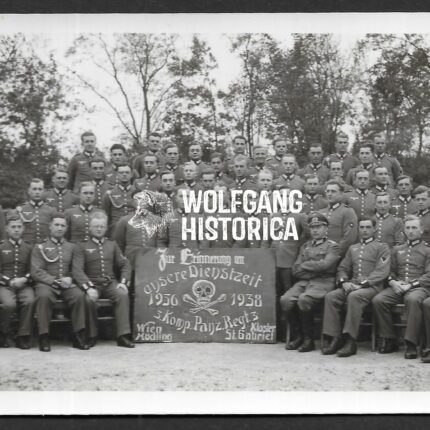
Photograph of Panzer-Regiment 3
€65,00Original photograph of the 3. Kompanie/ Panzer-Regiment 3 in memory of their service from 1936-1938 in Wien. Postcardsize.
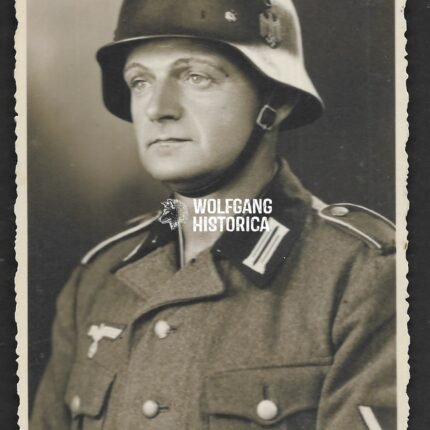
Studioportrait Wehrmacht Soldier wearing helmet (with decal)
€25,00Original Wehrmacht (Heer) studioportrait of a soldier wearing a helmet with decal. Postcardsize. Condition as seen.
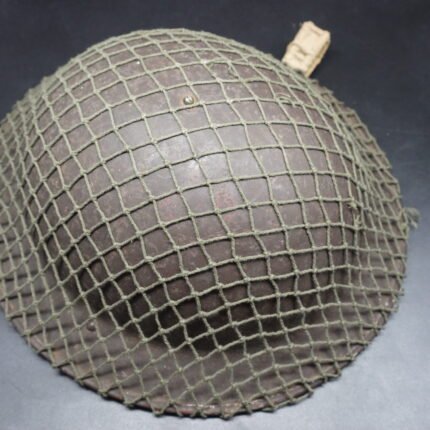
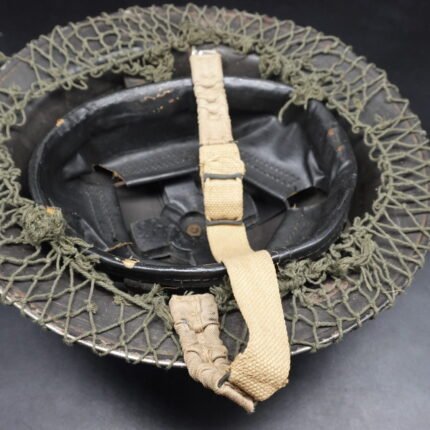
WWII British Mk II Combat Helmet (BMB 1943) with Net
€1,00A solid and untouched British Mk II steel combat helmet, wartime-manufactured by Briggs Motor Bodies (BMB) and dated 1943, retaining its original textured finish and paired with a helmet net.
Helmet Shell
-
Stamped “BMB 1943” with size 7¼ marking
-
Original factory rough-textured paint, showing expected service wear
-
No postwar repaint—100% wartime finish
Liner
-
Complete wartime liner marked 1943, with the correct N (neutral) date code
-
Original rubber buffer still present
-
Liner shows typical dryness and small tears from age, but remains structurally solid
-
Retains the full original interior bolt and nut
Chinstrap
-
Equipped with a desirable elasticated chinstrap, the correct British airborne and infantry style introduced late-war
-
Strap remains supple with light service wear
Net
-
Period? Period attached? I cannot say this but was bought as such but cannot confirm myself, so I mention it here..
Collector’s Note
This is a very appealing, battlefield-ready configuration Mk II—complete, unmessed-with, and featuring all the sought-after components: original wartime paint, correct dated liner, elastic chinstrap, and combat net. Helmets like this increasingly disappear into advanced collections.
Condition
Good, untouched wartime condition throughout. Honest wear, no restoration, no modern parts.
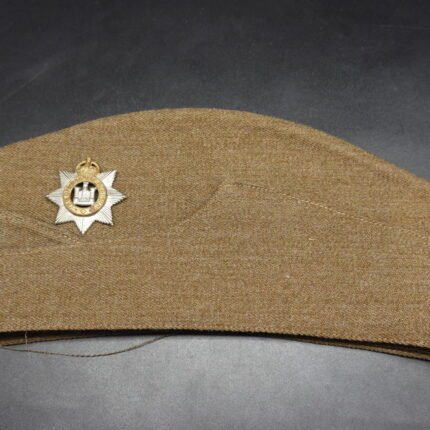
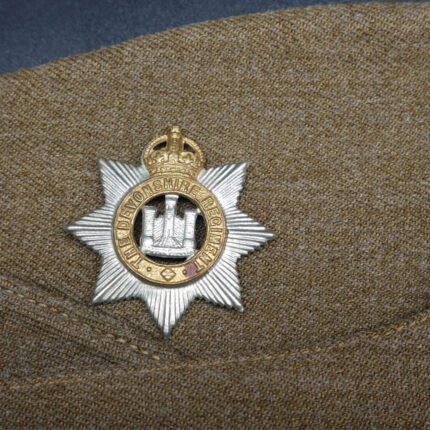
WWII British Army Side Cap – Devonshire Regiment (1940 Dated)
€0,01A textbook British Army other ranks field service side cap, complete with its original bi–metal cap badge of the Devonshire Regiment. The badge displays the regiment’s iconic castle emblem surrounded by the title scroll and surmounted by the King’s Crown, firmly attached to the cap.
This example is constructed of regulation khaki wool and retains its correct design features, including the double-button front (with both brass General Service buttons present). The interior shows a clear 1940 date stamp, along with size marking 6⅞, confirming early-war manufacture.
Condition is very good for its age, showing only light service wear and no moth damage. The wool body remains strong and clean, and the stitching throughout is intact. A genuine, untouched wartime piece.
Highlights
-
100% original WWII side cap
-
Correct Devonshire Regiment bi-metal badge
-
Maker/issue stamp: 1940, size 6⅞
-
All original buttons present
-
Excellent, unmessed-with condition
A desirable and authentic early-war British side cap, ideal for collectors of regimental insignia, British Army uniforms, or WWII headgear. Hard to find in such complete and crisp condition.
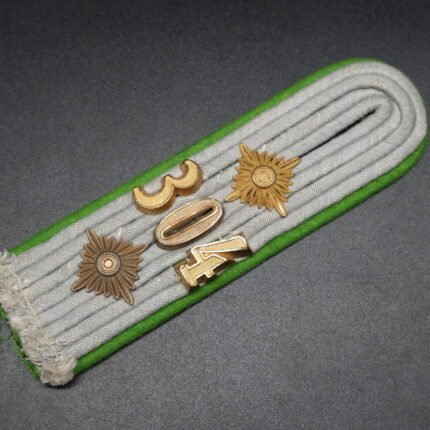

Panzergrenadier-Regiment 304 Hauptmann Shoulder Board
€125,00Original single (to sew in) Hauptmann shoulder board for the Panzergrenadier-Regiment 304 of the 2. Panzer-Division. Condition as seen.
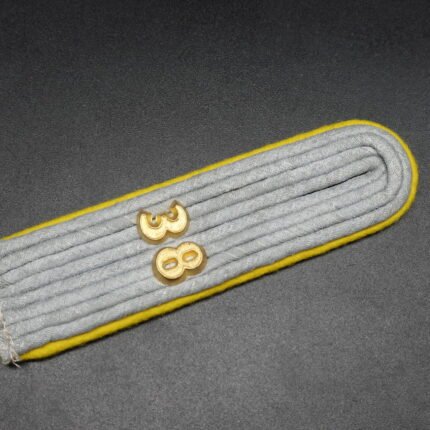
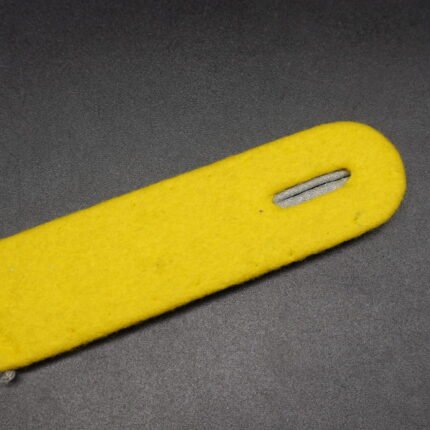
Nachrichten-Abteilung 38 Leutnant Shoulder Board
€75,00Original single (to sew in) Leutnant (Lieutenant) shoulder board for the Nachrichten-Abteilung 38 of the 2. Panzer-Division. Condition as seen.
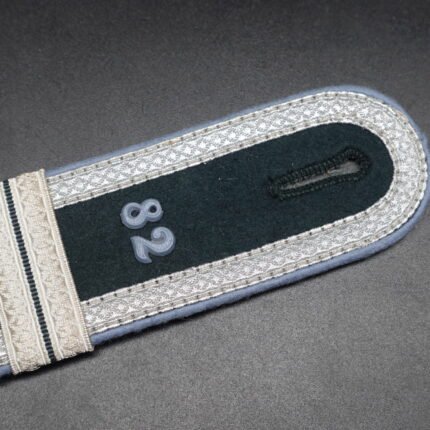
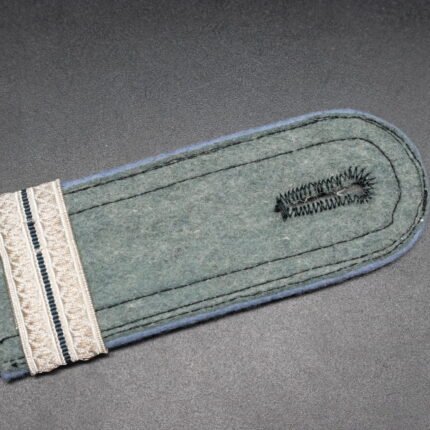
Nachschubtruppen 82 Unteroffizier Shoulder Board
€75,00Original single (to sew in) Unteroffizier (NCO) shoulder Board for the Nachschubtruppen 82 of the 2. Panzer-Division. Condition as seen.

Ernst Jünger – Pour le Mérite
€0,01Original postwar signature on a postwar portrait photo of Ernst Jünger (29 March 1895 – 17 February 1998) – author, philosopher, decorated First World War officer and one of the most influential (and controversial) German writers of the 20th century.
Jünger first became famous for his WWI memoir In Stahlgewittern (Storm of Steel), based on his front-line experience as a stormtroop officer. Wounded numerous times, he was eventually awarded the Pour le Mérite, making him the last surviving recipient of the military class of this order. Between the wars he became a prominent conservative intellectual, critical of liberalism and the Weimar Republic, yet he kept his distance from National Socialism and rejected offers to become a regime figurehead.
During the Second World War he served as an army captain in occupied Paris, where his growing rejection of totalitarianism found expression in works such as Der Friede (The Peace). Dismissed from the army in 1944 after being indirectly linked to the military resistance, he survived the war and went on to publish more than forty books. By the time of his death at the age of 102 he was widely recognised as a major, if often debated, literary and philosophical voice in postwar Germany.
The photograph is a clear postwar image bearing Jünger’s bold, original autograph, making it a desirable piece for collectors of literary, intellectual or German military history memorabilia.
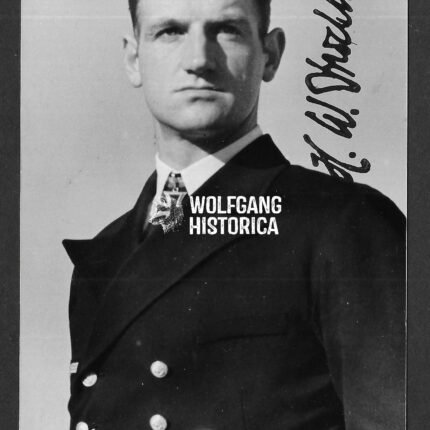
Hermann Büchting – Schnellboot S-27
€35,00A fine postwar portrait photograph, personally signed by Hermann Büchting (14 March 1916 – 27 June 1992), one of the notable commanders of the Kriegsmarine’s fast-attack craft arm (Schnellbootwaffe). His signature is clear, bold, and fully authentic—an excellent example for collectors of S-Boot and Knight’s Cross memorabilia.
Hermann Büchting earned the Ritterkreuz des Eisernen Kreuzes on 22 April 1943 as Kapitänleutnant and commander of the Schnellboot “S-27”, 1. Schnellbootsflottille.
During his tenure, Büchting distinguished himself in the highly dangerous naval warfare of the English Channel and North Sea, where the Schnellboot forces conducted precision night raids, convoy attacks, and mine-laying operations against heavily defended Allied shipping. His award recognized repeated displays of leadership, tactical skill, and personal bravery under fire.
After the war Büchting lived a private life, making his signature considerably scarcer than those of many other Knight’s Cross holders. Postwar-signed photographs of S-Boot commanders—especially in clean, undamaged condition—are increasingly difficult to obtain.
Collector’s Note
This is an excellent opportunity to acquire a genuine postwar signature of a Schnellboot Knight’s Cross recipient, ideal for framed display or integration into an advanced Kriegsmarine autograph collection. A desirable and historically significant piece from one of the Schnellbootwaffe’s decorated commanders.
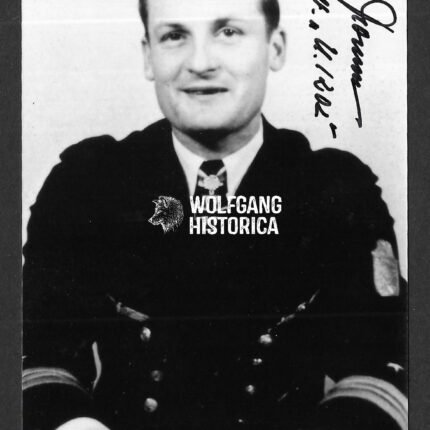
Rolf Thomsen – Kommandant of “U-1202” (Eichenlaub)
€45,00A desirable postwar signed portrait of Rolf Thomsen—one of the most decorated U-boat commanders of the late war and a highly respected officer who later rose to the rank of Flottillenadmiral in the Bundesmarine. The photograph is clean, well-preserved, and boldly autographed by Thomsen, making it a fine example for signature collectors, U-boat historians, and Knight’s Cross specialists.
Rolf Thomsen (1915–2003)
Thomsen began his naval career as an aviator, flying long-range reconnaissance missions from 1939 to 1943 before transferring to the U-boat arm in early 1944. On 27 January 1944, he commissioned U-1202, a Type VIIC submarine with which he conducted two aggressive North Atlantic patrols.
During these operations, Thomsen reported attacks on a destroyer, multiple corvettes, six merchant vessels, and an escort carrier. The sinking of the British freighter Dan Beard was later confirmed by Allied records. For these actions, he received:
-
Knight’s Cross of the Iron Cross – 4 January 1945
-
Oak Leaves – 29 April 1945
Thomsen’s decorations reflect his unusual dual-service career:
Awards & Decorations
-
Iron Cross 2nd Class (25 Nov. 1939)
-
Iron Cross 1st Class (17 May 1940)
-
Wound Badge in Black (Aug. 1940)
-
Luftwaffe Front Flying Clasp for Reconnaissance Pilots (Silver & Gold)
-
German Cross in Gold (14 Oct. 1943)
-
U-Boat War Badge (1939)
-
U-Boat Front Clasp in Bronze (27 Jan. 1945)
-
Knight’s Cross with Oak Leaves for U-1202 operations
After the war, Thomsen joined the newly established Bundesmarine in 1955, eventually serving as Flotilla Admiral from 1966.
Collector’s Note
Signed photographs of Rolf Thomsen remain sought-after due to his dual combat career, high decorations, and postwar prominence. This example, with a clear postwar autograph, is an excellent acquisition for any collection focused on U-boat warfare, the Knight’s Cross, or Bundesmarine command figures.
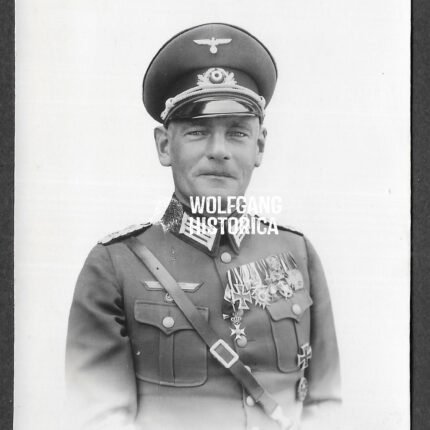
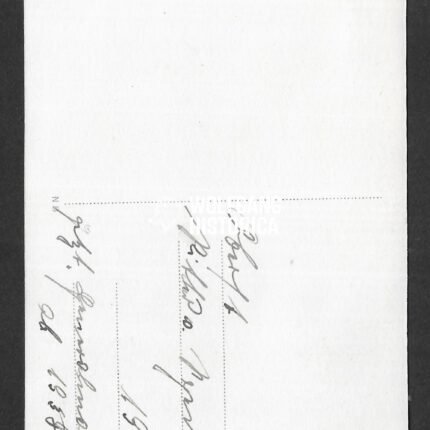
Studio Portrait of Oberst Hermann Ritter von Speck
€55,00A striking and finely produced pre-war studio portrait of Oberst Hermann Ritter von Speck (1888–1940), presented in classic postcard format. The photograph captures von Speck in full parade uniform, wearing an impressive array of medals from both World War I and the interwar period. His decorations include the Iron Cross (1st and 2nd Class), Bavarian orders, and additional service awards, all prominently displayed—making this portrait visually rich and historically significant.
This image dates from 1937, as noted in the handwritten inscription on the reverse. It is an excellent example of pre-WWII German military portrait photography, taken at a time when von Speck had already built a distinguished career as a decorated Bavarian officer.
Historical Background
Hermann Ritter von Speck was a veteran of the First World War and continued his service into the Reichswehr and Wehrmacht era, rising to the rank of Generalmajor during the Second World War. He briefly commanded the 33. Infanterie-Division before being killed in action during the French campaign on 15 June 1940. His wartime leadership and decorated service record make original period photographs of him highly desirable among collectors of early Wehrmacht and Bavarian military history.
Condition
-
Format: Postcard-size studio portrait
-
Condition: Excellent overall—sharp, clean image with rich contrast; reverse side bears period handwriting identifying von Speck
-
No tears, creases, or notable defects
Collector’s Note
Authentic photographs of Hermann Ritter von Speck, especially pre-war studio portraits, are scarce. This is an exceptional example, offering both visual appeal and strong research value—ideal for collectors of Wehrmacht commanders, Bavarian officers, pre-WWII portraiture, or general military history.
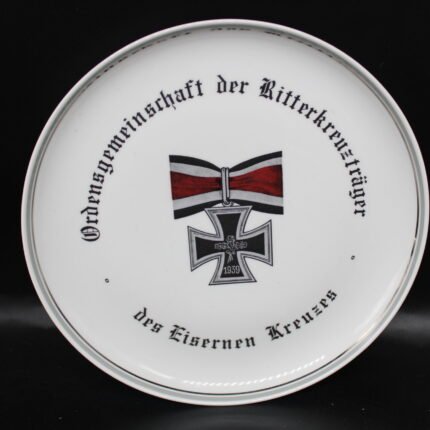

OdR Commemorative Porcelain Plate – Dedicated to RKT Ernst Lüdke by Walter Zurmöhle
€0,01A rare and highly desirable postwar commemorative porcelain plate issued by the Ordensgemeinschaft der Ritterkreuzträger (OdR)—the official association of Knight’s Cross recipients founded after World War II. Produced by Arzberg Porcelain (Germany), this elegant plate displays the classic OdR design, featuring the Knight’s Cross of the Iron Cross (1939) suspended from its ribbon, surrounded by the title of the organization in stylized script.
What elevates this example far above standard OdR plates is its personal dedication on the reverse:
“Ernst Lüdke – zum 70. Lebensjahr von den Kameraden der OdR Hannover – 11.5.1987”,
Signed by Dipl.-Ing. Walter Zurmöhle (Ritterkreuzträger)
Recipient: Oberleutnant der Reserve Ernst Lüdke (11 May 1917 – 9 November 1988)
A decorated Knight’s Cross recipient, Lüdke distinguished himself as:
-
Oberleutnant der Reserve, Führer 2./gem.FlakAbt 241
-
Awarded the Ritterkreuz des Eisernen Kreuzes on 5 September 1944
-
Recognized for his decisive leadership during the Allied breakout attempt from the Anzio bridgehead
-
His innovative and aggressive employment of light Flak earned his positions the legendary nickname: “The Ghost Guns of Anzio”
-
Also holder of the Iron Cross 1st Class, Iron Cross 2nd Class, and Flakkampfabzeichen der Luftwaffe
This commemorative plate was presented to him by his comrades of the OdR Hannover on his 70th birthday—just one year before his death. Items directly connected to known Ritterkreuz recipients are extremely sought after, especially when tied to documented wartime achievements.
Signed by Ritterkreuzträger Dipl.-Ing. Walter Zurmöhle
-
Born 13 May 1916 – Died 7 February 2008
-
Awarded the Knight’s Cross on 5 April 1944 as Oberleutnant and company commander, 1./Pionier-Bataillon 6 (L), 6. Feld-Division (L)
-
His signature adds significant provenance and collector value
Condition
-
Excellent overall condition with full, bright glaze
-
Arzberg maker’s mark attested on reverse
-
Original typed dedication label securely attached and signed
-
Ready for display, with hanging wire intact
Collector’s Note
OdR pieces are scarce, but named, dedicated examples connected to two Knight’s Cross holders—with one signature—are exceptionally rare. This plate offers a unique bridge between wartime history and the postwar fraternity of Ritterkreuz recipients. A standout item for any collection specializing in German awards, Knight’s Cross research, or OdR memorabilia.
Two photos added of Ernst Lüdke and Walter Zurmöhle as example! NOT INCLUDED.

Gustav Pressler – Sturzkampfgeschwader 2 “Immelmann” (Eichenlaub) (Wartime Signed!)
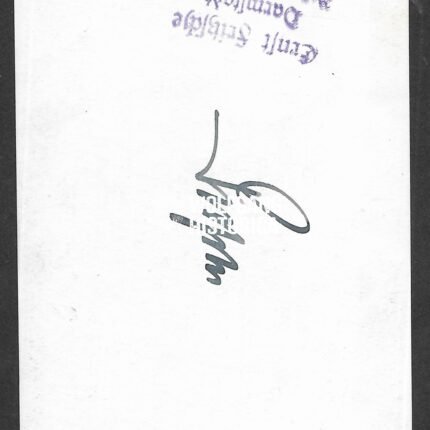
€175,00Original Scarce Wartime Photograph with Wartime Signature of Gustav Pressler. Oberstleutnant Gustav Pressler (16.03.1897 † 09.10.1985) earned the Deutsches Kreuz in Gold on January 13, 1942 as, the Ritterkreuz on February 4, 1942 as Hauptmann und Gruppenkommandeur of the III. Gruppe/ Sturzkampfgeschwader 2 “Immelmann” and the Eichenlaub on January 16, 1943 as Hauptmann und Gruppenkommandeur of the III. Gruppe/ Sturzkampfgeschwader 2 “Immelmann”. Good condition. Signed on the back!
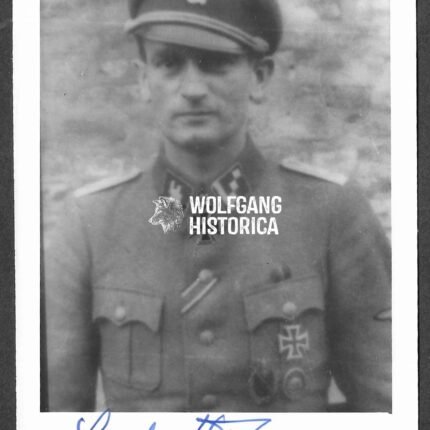
Ludwig Hoffmann – SS-Panzer-Grenadier-Regiment 23 “Norge”
€45,00Original Postwar Signature on a Postwar Photo & Letter of Ludwig “Lutz” Hoffmann. SS-Hauptsturmführer Ludwig Hoffmann (21.03.1908 † 10.02.1999) earned the Ritterkreuz on May 9, 1945 as SS-Hauptsturmführer und Kommandeur of the III. Bataillon/ SS-Panzer-Grenadier-Regiment 23 “Norge” of the 11. SS-Freiwilligen-Panzergrenadier-Division “Nordland”. Condition as seen. Postcardsize.
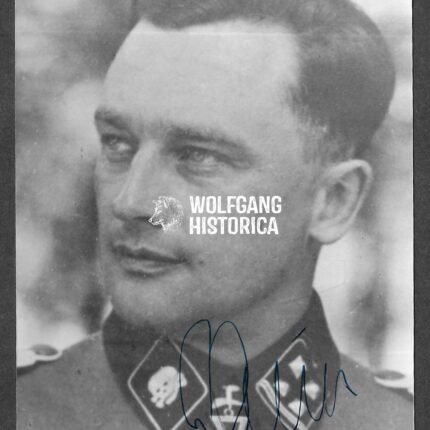
Kurt Launer – SS-Panzer-Grenadier-Regiment 6 “Theodor Eicke”
€60,00Original Postwar Signature on a Postwar Photo of Kurt Launer. SS-Standartenführer Kurt Launer (19.09.1906 † 05.02.1990) earned the Ritterkreuz des Eisernen Kreuzes on Augustus 15, 1943 as SS-Sturmbannführer und Kommandeur of the II. Bataillon/ SS-Panzer-Grenadier-Regiment 6 “Theodor Eicke” of the 3. SS-Panzer-Division “Totenkopf”. Postcardsize.
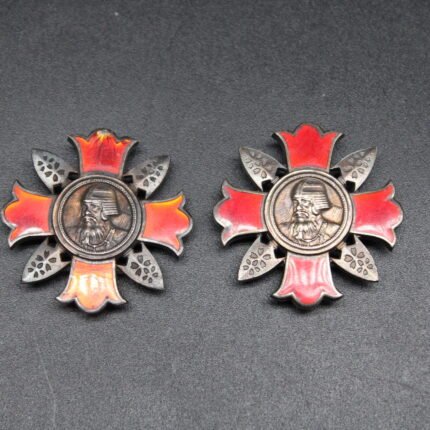
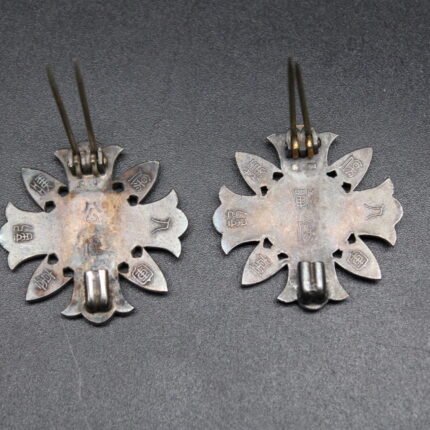
Set of Two Japanese Wound Badges – Combat & Non-Combat Variant (!)
€95,00A desirable matched set of Imperial Japanese wound badges (Combat & Non-Combat Variants – Pair) from the Model 1938 issue, representing both major variants awarded during the late pre-war and WWII periods. These badges were issued by the Imperial Japanese Army to recognize wounds or injuries suffered in service, and complete pairs such as this are increasingly hard to find.
Included in the Set
Type 4.1 – Sensho Wound Badge (Combat Injury)
Awarded to soldiers wounded in direct combat, the Sensho badge carries significant historical weight as it denotes frontline experience and injury suffered in battle.
-
Diameter: 31 mm
-
Distinct in its meaning and traditionally more sought after due to its combat association.
Type 4.2 – Kosho Wound Badge (Non-Combat Service Injury)
The Kosho badge was awarded for non-combat injuries or ailments received in public service, such as illness, poisoning, or accidents occurring while on duty.
-
Diameter: 31 mm
-
Although awarded under different circumstances, it is essential for completing a full wound badge collection.
Condition
Both badges remain in worn, condition, showing scratches, wear, and minor defects consistent with age and actual use—exact details visible in the photos. The honest patina adds character and authenticity, making this a perfect set for collectors who appreciate items as they were found.
Collector’s Note
Securing both the Sensho (combat) and Kosho (non-combat) wound badge variants together is increasingly uncommon. This duo represents a complete study example of the Model 1938 wound award system and is ideal for advanced collections focused on Imperial Japanese militaria or wound award typology.
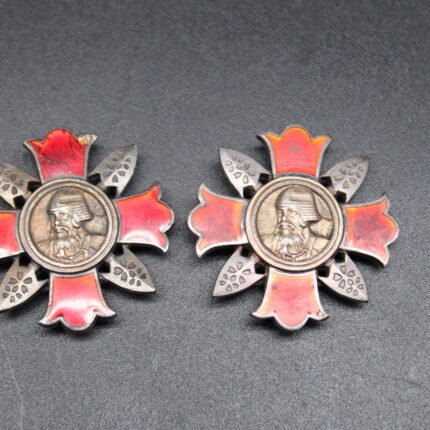
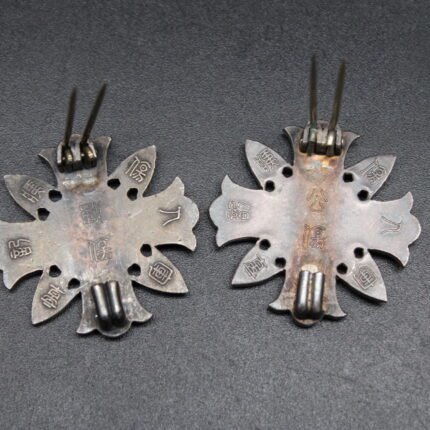
Set of Two Japanese Wound Badges – Combat & Non-Combat Variant (!)
€95,00A desirable matched set of Imperial Japanese wound badges (Combat & Non-Combat Variants – Pair) from the Model 1938 issue, representing both major variants awarded during the late pre-war and WWII periods. These badges were issued by the Imperial Japanese Army to recognize wounds or injuries suffered in service, and complete pairs such as this are increasingly hard to find.
Included in the Set
Type 4.1 – Sensho Wound Badge (Combat Injury)
Awarded to soldiers wounded in direct combat, the Sensho badge carries significant historical weight as it denotes frontline experience and injury suffered in battle.
-
Diameter: 31 mm
-
Distinct in its meaning and traditionally more sought after due to its combat association.
Type 4.2 – Kosho Wound Badge (Non-Combat Service Injury)
The Kosho badge was awarded for non-combat injuries or ailments received in public service, such as illness, poisoning, or accidents occurring while on duty.
-
Diameter: 31 mm
-
Although awarded under different circumstances, it is essential for completing a full wound badge collection.
Condition
Both badges remain in worn, condition, showing scratches, wear, and minor defects consistent with age and actual use—exact details visible in the photos. The honest patina adds character and authenticity, making this a perfect set for collectors who appreciate items as they were found.
Collector’s Note
Securing both the Sensho (combat) and Kosho (non-combat) wound badge variants together is increasingly uncommon. This duo represents a complete study example of the Model 1938 wound award system and is ideal for advanced collections focused on Imperial Japanese militaria or wound award typology.
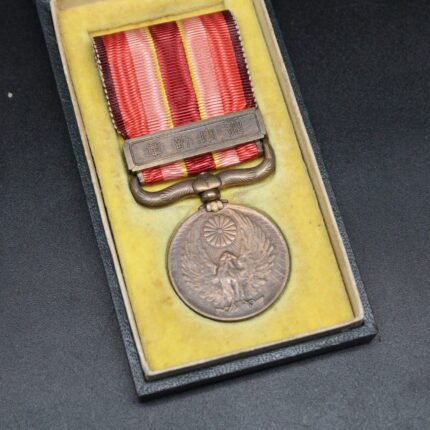
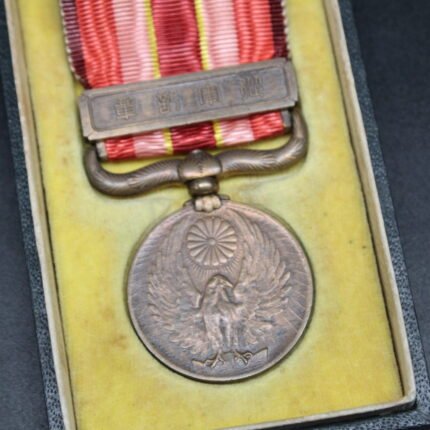
Manchurian Incident Medal (Cased)
Original price was: €80,00.€60,00Current price is: €60,00.A fine and complete example of the Showa 6–9 War Service Medal (Manchurian Incident Medal), awarded to personnel who served during the early Imperial Japanese military operations of the Manchurian Incident (1931–1934)—a conflict that marked the beginning of Japan’s expansionary campaigns leading into the Second Sino-Japanese War and ultimately the Pacific War.
Instituted in 1934, the medal was issued to members of the Army, Navy, and supporting organizations who took part in combat operations, logistical support, or administrative duties related to the campaign. Its obverse features the Imperial chrysanthemum crest above a spread-winged eagle, symbolizing military strength and the authority of the Emperor. The reverse displays two crossed military helmets and inscriptions denoting the Showa era years Six to Nine. The ribbon—shades of red with yellow and white stripes—represents loyalty and valor.
Condition & Presentation
This example remains in very good condition, showing an attractive, untouched patina consistent with its age. The medal is housed in its original black case, which retains sharp gold kanji lettering on the lid. The interior is lined with the classic yellow felt insert that securely holds the piece in place.
Collector’s Notes
-
Complete and original medal with full ribbon and suspension bar
-
Crisp detail to the eagle, chrysanthemum, and reverse inscriptions
-
Case remains solid, with only minor wear from handling
-
A desirable early-Showa period decoration connected to one of the pivotal turning points in Japanese military history
An excellent addition for collectors of Imperial Japanese medals, early militaria, or those focusing on the Manchurian and pre-WWII military campaigns.
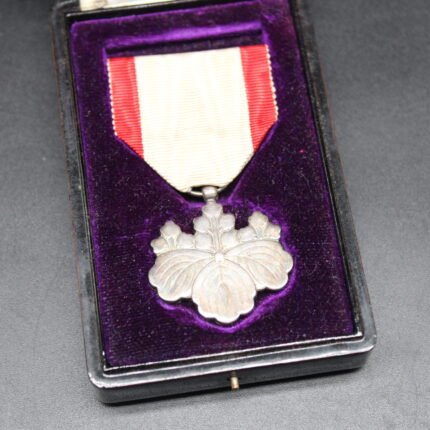
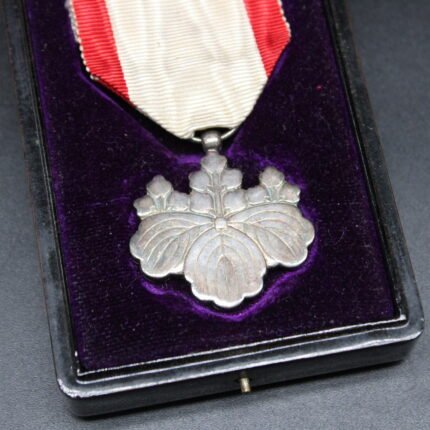
Order of the Rising Sun – 8th Class (Cased)
€45,00The Order of the Rising Sun (旭日章 – Kyokujitsu-shō) was established in 1875 by Emperor Meiji as Japan’s first national order of merit. Designed to reflect the symbolic identity of Japan as the “Land of the Rising Sun,” the order features stylized radiant sunbeams representing vitality, honor, and national service.
The 8th Class (now discontinued) was the most junior grade of the order and was traditionally awarded for loyal public service, military merit, or distinguished civil achievement. Prior to 1945 it was frequently bestowed upon NCOs, soldiers, police, government clerks, and civilians who demonstrated commendable dedication in their respective roles. While modest in rank, the 8th Class remained a respected imperial decoration, representing inclusion in Japan’s oldest system of formal honors.
This example is an original pre-WWII/WWII period medal, complete with its matching presentation box. The medal retains excellent detail, displaying the classic radiant sunburst design suspended from its red-and-white ribbon. The wooden case bears the gilded kanji inscription identifying the order.
Item Details
-
Decoration: Order of the Rising Sun, 8th Class
-
Era: Pre-1945 Imperial Japan
-
Material: Silvered metal with enamel accents
-
Ribbon: Original, lightly aged but strong
-
Case: Original, with gold-stamped kanji on lid
-
Condition: Medal in very good condition with crisp detail; box with minor age wear only
Collector’s Note
The lower classes of the Order of the Rising Sun — especially the 8th Class — are increasingly difficult to find in complete, untouched sets, as many were discarded or separated from their cases over time. This is an appealing and historically significant example of Imperial Japan’s earliest and most iconic award system, ideal for collections focused on Japanese orders, early Meiji-era decoration history, or WWII-era militaria.
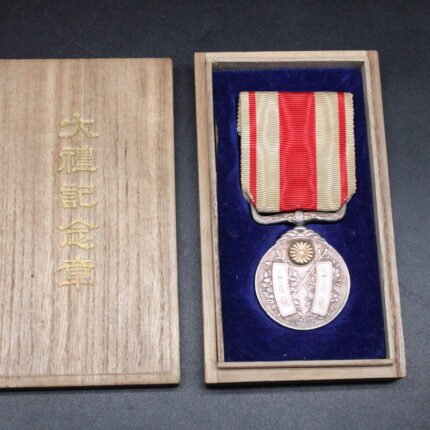
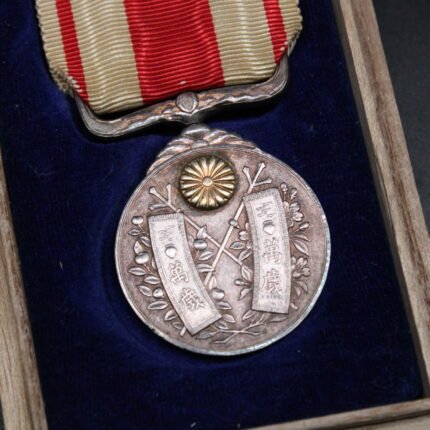
Taishō Enthronement Commemorative Medal (Cased)
Original price was: €95,00.€65,00Current price is: €65,00.Issued to honor one of Japan’s most important imperial events, the Taishō Enthronement Commemorative Medal celebrates the accession of Emperor Taishō, who assumed the throne in 1912 following the death of Emperor Meiji. Although the succession occurred in 1912, the formal enthronement ceremonies—grand national celebrations steeped in tradition—were held in 1915, and it was during these festivities that the medals were awarded.
Bestowed upon individuals across Japan who took part in or contributed to the ceremonies, the medal exists in both men’s and women’s versions. The obverse features two banners bearing the word “Banzai”—a symbolic cheer of long life and loyalty—encapsulating the national spirit surrounding the new Emperor.
- Housed in its matching wooden presentation case, complete with crisp golden characters on the lid
-
Box and medal both in very good condition, showing only minimal age
-
A fully authentic and desirable Imperial-era piece
Collector’s Note
Artifacts from the Taishō period are increasingly sought after due to their transitional place between the Meiji modernization and the militarization of the Shōwa era. This medal, especially with its original case, is a fine representation of early 20th-century Japanese imperial craftsmanship and ceremony—an elegant addition to any collection of Japanese orders, medals, or imperial memorabilia.


4x Veteran Organisation Pins of the 2. Panzer-Division
€100,004x Veteran Organisation Pins of the 2. Panzer-Division
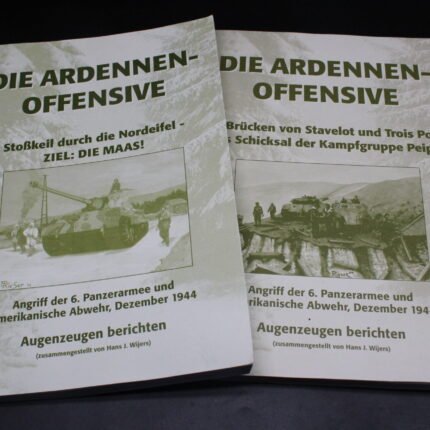
Set of 2 Books: Hans J. Wijers – Die Ardennen-Offensive – Kampfgruppe Peiper & Ziel: Die Maas
€120,00Original set of 2 books from Hans J. Wijers: Brücken von Stavelot und Trois Pont – Das Schicksal der Kamfgruppe Peiper and Die Ardennen-Offensive – Stoßkeil durch die Nordeifel, Ziel die Maas! – Angriff der 6. Panzerarmee und amerikanische Abwehr, Dezember 1944 – Augenzeugen berichten. A4 size (heavy).
Shipping might not be final to some countries due the weight.
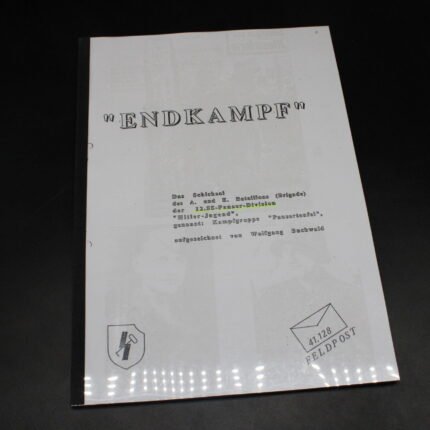
Wolfgang Buchwald – “Endkampf” Das Schicksal A.u.E. Bataillons der 12. SS-Panzer-Divisions Hitlerjugend
€35,00Wolfgang Buchwald – “Endkampf” Das Schicksal A. und E. Bataillons der 12. SS-Panzer-Divisions Hitlerjugend gennant Kamfgruppe “Panzerteufel”. A4 size.


Rolf Kliemann – Kriegstagebuch Nr. 2 7./PzGrenRgt 1 – LSSAH
€95,00Original Book of Kliemann, Rolf: Kriegstagebuch Nr. 2 – 8./ 1. Inf.Rgt. – LSSAH umbenannt in 7./PzGrenRgt 1 – LSSAH. – begonnen 5.7.1942 und beendet 8.5. 1945. A4 size.

Gerhard Schulze – Kriegstagebuch Nr. 1 – 13. / III. Btl. – LSSAH
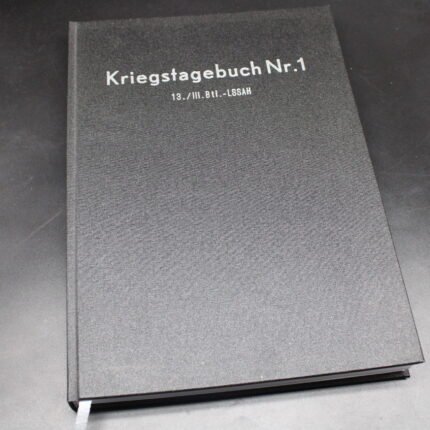
€95,00Original book of Schulze, Gerhard: Kriegstagebuch Nr. 1 – 18./IV. [Wach-] Btl.- LSSAH umbenannt in 13. / III. Btl. – LSSAH. – begonnen 13. 11. 1939 und beendet 03. 07. 1942. A4 size.
WWII Imperial Japanese Navy (IJN) Officer’s Visor Cap
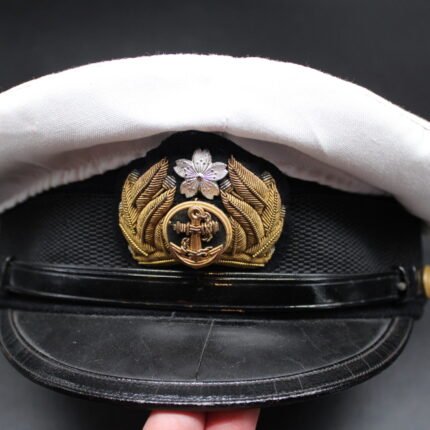
€395,00A beautifully tailored Imperial Japanese Navy officer’s visor cap from the Second World War, manufactured to the high standards typical of naval uniforms of the era. Navy officer caps differed markedly from their Army counterparts, featuring deep midnight-blue wool, glossy black patent-leather elements, and the distinctive gold bullion anchor-and-cherry-blossom insignia—the long-standing emblem of the Imperial Japanese Navy.
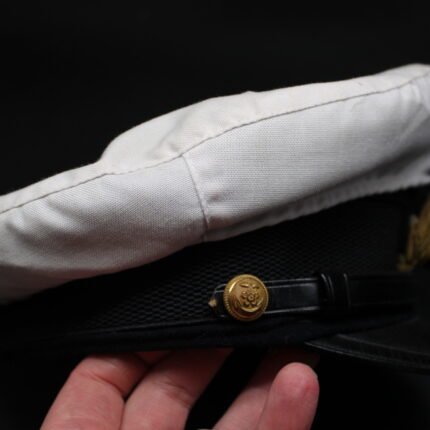
This example is constructed from fine, dark navy wool with excellent form retention and a sharp, elegant naval profile. The front displays a crisp officer-quality bullion cap badge, richly embroidered and remaining bright with only mild toning from age. The black lacquered visor shows expected period age-crazing but is stable and fully intact. The chinstrap, side buttons, and stitching all remain original.
Inside, the cap retains its silk or rayon lining—still clean and richly colored—along with the original leather or ersatz-leather sweatband. The interior shows gentle, honest service wear but no damage, tears, or repairs. Overall, it is a remarkably well-preserved cap that clearly saw use yet was carefully stored for decades afterward.
A notable addition is the original white cotton removable over-cap, used for tropical and summer dress. This piece is often missing and greatly enhances both the completeness and display quality of the set.
Collector’s Note
Authentic Imperial Japanese Navy officer caps from WWII are significantly scarcer than Army examples due to the smaller size of the IJN and its disproportionately high wartime losses. Surviving caps—especially those in complete, undamaged condition with original insignia—are highly sought after by collectors of Axis headgear and naval militaria.
This cap’s fine construction, excellent badge, and appealing overall condition make it a standout display piece and a superb representative example of wartime naval uniform design. An exceptional addition to any advanced WWII collection.

Archivalia 1940-1945 – Vlamingen aan het Oostfront, Vlamingen op het thuisfront
€0,01Book “Archivalia 1940-1945” – Vlamingen aan het Oostfront, Vlamingen op het thuisfront. Very good book!
SMF Huldeboek Deel 1 & 2
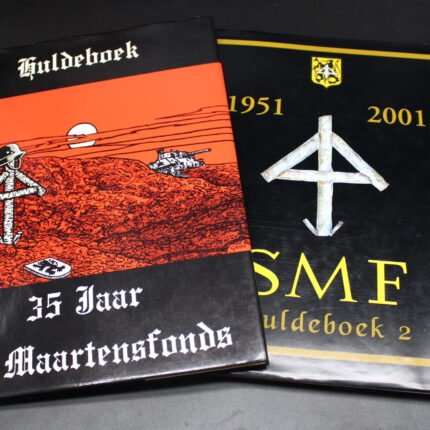
€0,012x books of the SMF (Sint-Maartenfonds) Huldeboek Deel 1 & Deel 2! Good condition.


Extremely Rare Postwar Signed Portrait of Friedrich Paulus – Dedicated to General Karl Hollidt (1955)
€0,01Offered here is an exceptionally scarce postwar signature of Generalfeldmarschall Friedrich Paulus on a private portrait, famously known as the commander of the German 6th Army at Stalingrad. This autograph is not only rare—it is personally dedicated to General Karl Hollidt, one of Paulus’ closest colleagues and a senior Wehrmacht commander who served under Army Group Don during the Stalingrad operations. Such personalized dedications between high-ranking generals are exceedingly uncommon and highly desirable among collectors.
Description
-
Original postwar portrait photograph of Friedrich Paulus (high-quality studio print, Dresden).
-
Handwritten dedication and signature on the reverse, reading:
„Meinem lieben Hollidt – in alter Freundschaft –
Weihnachten 1955 – Fr. Paulus“
(“To my dear Hollidt – in old friendship – Christmas 1955 – Fr. Paulus”) -
Clearly signed in Paulus’ late-life handwriting.
-
Photo size: approx. 14 × 9 cm.
-
Excellent contrast and presentation; an important historical pairing of two major Eastern Front commanders.
Background: Friedrich Paulus (1890–1957)
Friedrich Paulus remains one of the most historically significant German commanders of the Second World War:
-
Commander of the 6th Army during the Battle of Stalingrad.
-
Promoted to Generalfeldmarschall on 31 January 1943—just hours before his surrender—becoming the first Feldmarschall in German history to be captured alive.
-
Later became a key witness at the Nuremberg Trials, condemning Hitler’s policies and turning against the Nazi regime.
-
Lived the remainder of his life in the Soviet-occupied zone (Dresden), rarely granting autographs.
Because Paulus signed very few documents after the war—and avoided public attention—authentic postwar signatures are scarce. Personal dedications, especially to fellow Eastern Front generals, are nearly unheard of.
Background: General Karl Hollidt (1891–1985)
Karl Hollidt served as:
-
Commander of the XVII Army Corps, later the 6th Army (after Paulus’ surrender).
-
One of Paulus’ closest operational colleagues during 1942–43.
-
Postwar held in Soviet captivity until 1955, the same year Paulus wrote this dedication—adding important historical context and emotional weight to the inscription.
Their shared experiences at the Eastern Front and in Soviet captivity make this dedication exceptionally meaningful.
Why This Piece Is Highly Desirable
-
Direct connection between two major German commanders of the Eastern Front.
-
Paulus postwar signatures are rare; dedicated examples to high-ranking officers are virtually never found on the market.
-
A historically important artifact linked to the Battle of Stalingrad, one of the most significant military events of the 20th century.
-
The photo originates from Paulus’ time living in Dresden, shortly before his death in 1957.
A Museum-Level Artifact
This is more than an autograph—it’s a unique historical document representing the personal relationship between two high-ranking figures who shaped the course of the war on the Eastern Front. Items of this caliber are seldom offered and are highly sought after by advanced collectors of WWII autographs, Stalingrad memorabilia, or German military history.


Walther von Seydlitz-Kurzbach – 12. Infanterie-Division (Battle for Stalingrad!) (Collaborated with Soviets, “Anti-Nazi Force” Plan) (Eichenlaub)
€0,01In 1950, a Soviet tribunal sentenced him to 25 years of imprisonment, but in 1955 he was released to West Germany, where in 1956, his Third Reich death sentence was nullified. However, he was despised by his former army colleagues both for his role in the Battle of Stalingrad and for his later collaboration with the Soviet Union. He was denied the restoration of his retired rank and pension by the Bundeswehr. (Read more on Walther von Seydlitz-Kurzbach (Wikipedia))
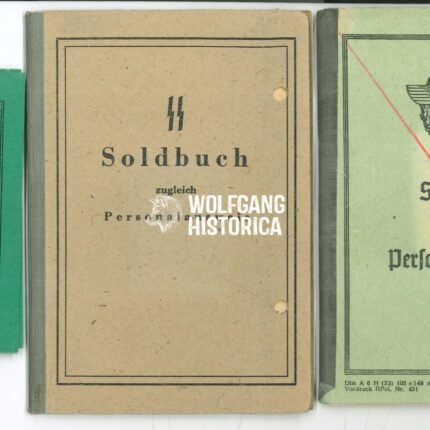

3x Polizei ID Set of KIA Polizei-Hauptwachtmeister (KIA Dec. 44, Slovenia)
€395,00**Complete Grouping of Polizei-Hauptwachtmeister Rudolf Muhr
Dienstausweis – SS-Soldbuch – Polizei-Soldbuch – With Death Documentation**
A compelling and complete identification grouping to Rudolf Muhr, born 10 November 1907 in Fürstenfeld, a Polizei-Hauptwachtmeister who was killed in action during anti-partisan operations in late 1944. The set includes his Dienstausweis, SS-Soldbuch, and Polizei-Soldbuch, all complete and with photographs, plus original paperwork reporting his death and returning his Soldbuch.
Historical Background
Rudolf Muhr served as a senior NCO within the Gendarmerie. During the final phase of the war he was deployed in Untersteiermark (Lower Styria), an area plagued by heavy partisan activity. On 7 December 1944, he was killed in action at Rassbank, Kreis Pettau (Steiermark) during a partisan engagement.
A death-notification document from the Gendarmerieposten Bergneustift, dated 18 December 1944, accompanies the grouping. It confirms the circumstances of his death and the forwarding of his Soldbuch to the Gendarmerie command in Graz. His fall in combat is also recorded inside his Polizei-Soldbuch.
According to the Volksbund, Muhr could not be recovered during post-war reburial efforts, and thus no grave exists. His name is honored in the remembrance book of the German War Cemetery in Celje.
Contents of the Grouping
1. Dienstausweis (Service ID)
-
Named to Rudolf Muhr
-
Rank: Bez. Oberwachtmeister der Gendarmerie
-
Complete with photo
-
Very good condition
2. SS-Soldbuch
-
Fully complete, with photo
-
Served in SS-related police structure
-
Entries consistent with late-war police/SS administrative integration
-
No missing pages
3. Polizei-Soldbuch
-
Complete with all pages and photo
-
Includes the death entry:
“Gefallen am 7. Dezember 1944” (Killed on 7 December 1944) -
Contains combat participation notes and Gendarmerie stamps
-
Includes the accompanying typed death report submitted to Graz HQ
4. Additional Document
-
Original death report / forwarding note from Bergneustift (18.12.1944), stamped and signed
-
Confirms his death during partisan operations and the handling of his Soldbuch
Awards
-
SA Sports Badge (SA-Sportabzeichen)
(As recorded in his personnel documents)
Condition
All documents are complete, with original photos and no missing pages. The Polizei-Soldbuch cover is loose but present—typical for field-used examples. Stamps and signatures are crisp and fully legible.
Summary
A highly desirable and historically important three-document grouping to a fallen Gendarmerie Hauptwachtmeister involved in anti-partisan operations in the volatile Steiermark region. The inclusion of both SS-Soldbuch and Polizei-Soldbuch, each complete with photo, plus the original death paperwork, makes this an outstanding set for collectors of Polizei, SS-Polizei, or late-war Balkan operations.
A tragic but very compelling grouping with strong provenance and excellent research potential.


Unknown Waffen-SS DKIG Holder LAH
€0,01Original wartime photograph of an unknown Waffen-SS Deutsches Kreuz in Gold-holder with the rank of SS-Untersturmführer from the LAH. Size ca 10×7 cm.
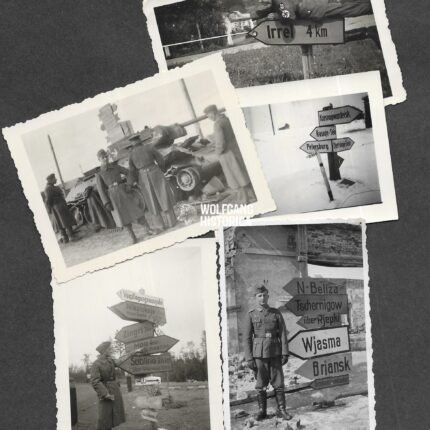
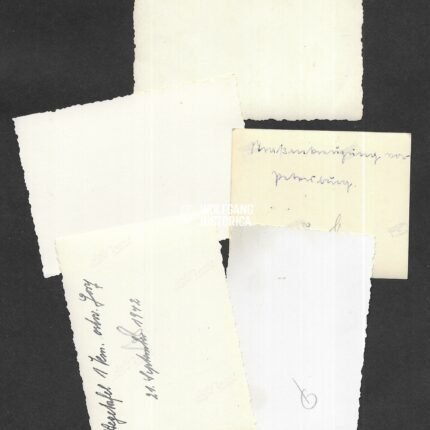
5x Wartime Photographs – Wehrmacht Soldiers at Signposts
€100,00A fascinating group of five original wartime snapshots, each approx. 9 × 6 cm, showing Wehrmacht soldiers posing beside various directional signposts on the Eastern Front. These photos capture both the vast distances of the front and the everyday moments of soldiers interacting with their surroundings.
Highlights:
-
Multiple German soldiers posing next to multi-directional traffic signs, pointing toward well-known locations such as:
-
Wjasma
-
Brjansk
-
Petersburg (Leningrad)
-
Tschernigow
-
Sablino
-
Kassino / Kassino-Wersk
-
“Verpflegungsausgabe” and other logistical signposts
-
-
One light-hearted photo shows a soldier humorously lying across a signpost pointing to Irrel, 4 km.
-
Another shows soldiers standing beside a destroyed Soviet T-34 tank, with directional signage visible in the scene.
These images offer a vivid glimpse into soldier life on the Eastern Front—mixing daily routine, humour, and the harsh backdrop of war. Ideal for collectors of WWII photography, Wehrmacht studies, Eastern Front documentation, or signpost-themed imagery.
All photos are original period prints, not reproductions. Good condition with light handling wear.
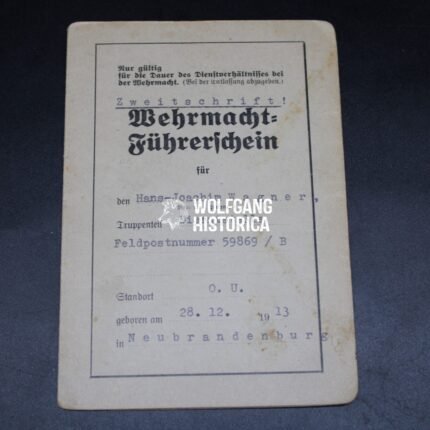
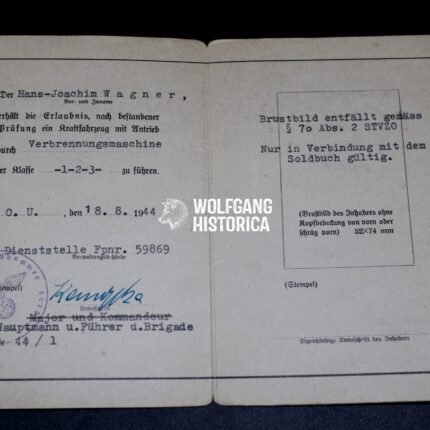
Rare Wehrmacht-Führerschein – Issued to Ritterkreuzträger Hans-Joachim Wagner
€350,00Original Wehrmacht-Führerschein (Zweitschrift) to later Ritterkreuzträger Hans-Joachim Wagner – at the time serving with Feldpostnummer 59869 B (1. Batterie / Sturmgeschütz-Abteilung 261).
-
Name: Hans-Joachim Wagner
-
Born: 28 December 1913, Neubrandenburg
-
Died: 9 June 1985, Kiel
-
Rank at issue: Soldat of a Sturmgeschütz unit (later Hauptmann d.R.)
-
Document: Wehrmacht driver’s license, Zweitschrift (duplicate), valid only in connection with the Soldbuch
-
Dated: 18.08.1944
-
Authorisation: Permits him to drive motor vehicles with internal-combustion engines of classes 1–3
-
Unit notation: Feldpostnummer 59869/B = 1. Batterie / Sturmgeschütz-Abteilung 261
-
Signature: Signed by Major und Kommandeur Fritz Konopka (NOT Gerhard Konopka), as “Hauptmann u. Führer der Brigade”, with clear unit stamp
Wagner later became a decorated assault-gun commander:
-
Decoration: Ritterkreuz des Eisernen Kreuzes, 25.01.1945
-
Rank / unit at award: Hauptmann der Reserve, Sturmgeschütz-Brigade 286
-
Reason for award (summary): On 5 December 1944, near Pásztó in Hungary, Wagner’s Sturmgeschütze helped stop a Soviet breakthrough to the northwest. His guns knocked out several enemy tanks, forced the remaining tanks and accompanying infantry to break off the attack, and he then rallied fleeing Flak gunners from 18. SS-Panzergrenadier-Division “Horst Wessel”, bringing them back into their positions. With these Flak guns and his assault guns he created a blocking line that held for several days without reinforcement – an action that earned him the Knight’s Cross.
Note: Sold on Commission


SS-Soldbuch – KIA in Pommern, February 1945 – SS-Pz-Gren-Rgt.7 (Sniper?!)
€950,00A deeply poignant and fully researchable SS-Soldbuch to SS-Schütze Hans Momberg, born 23 June 1925 in Kassel, who met his fate at only 19 years old, falling in combat on 2 February 1945 at Rummelsburg, Pommern (today Miastko, Poland).
Early Service – SS-Rekruten-Depot Debica (1943)
Momberg’s Soldbuch was opened in February 1943 at the SS-Rekruten-Depot Debica, one of the principal training depots for incoming Waffen-SS and SS-Polizei recruits operating in the Generalgouvernement. His physical description, personal details, and early signatures remain perfectly intact. The Soldbuch retains its original uniform photo, stamped with Waffen-SS ink.
Service in Frontline SS-Polizei Units
Throughout the war Momberg served in two combat formations:
-
6. Kompanie / SS-Polizei-Grenadier-Regiment 1
-
7. Kompanie / SS-Panzer-Grenadier-Regiment 7,
both part of the hardened 4. SS-Polizei-Panzergrenadier-Division, which saw intense combat on the Eastern Front and in the later defensive battles in the East.
These assignments are consistent with the field equipment entries and weapon hand-overs documented throughout the book.
Remarkable Entry on Page 12 – Sniper-Related Equipment?
One of the most interesting details appears on page 12:
Momberg was issued:
-
Tarnjacke (camouflage smock)
-
Stahlhelmbezug (helmet cover)
-
Gesichtsmaske (face mask)
This combination of camouflage gear is unusually specific and often associated with snipers, reconnaissance troops, or specialized infantry roles—far from standard issue for young replacements. Rarely does a Soldbuch show such equipment grouped together. This makes Momberg’s Soldbuch particularly desirable for collectors of Waffen-SS combat troops, Polizei-Division research, and sniper-related material.
Weapons Documentation
The Soldbuch documents his issued rifle, bayonet, gas mask, cleaning kit, entrenching tools, and additional field gear over time—excellent for research. Waffen-SS field stamps and signatures appear throughout.
His Final Months & Death
On page 22, the Soldbuch contains the tragic entry noting:
-
Death on 2. Februar 1945
-
In Rummelsburg / Pommern
-
Recorded by unit authorities
This reflects the desperate final defensive battles in Pomerania, where elements of the 4. SS-Polizei-Grenadier-Division were overwhelmed by massive Soviet offensives.
Overall Condition
The Soldbuch shows significant field wear—consistent with front-line use—and remains complete, with photo, all pages present, and multiple Waffen-SS and SS-Polizei unit stamps. Despite the wear, the entries remain legible and historically rich.
A Historically Moving and Research-Rich SS-Soldbuch
This is a highly collectible Soldbuch belonging to a teenage SS infantryman thrown into the final battles of the Eastern Front—serving in a notable SS-Polizei formation, possibly with sniper or reconnaissance duties based on his equipment issue, and ultimately falling in the chaos of 1945.
A rare opportunity to acquire a complete, photo-bearing Waffen-SS Soldbuch representing both the tragedy and historical depth of the last months of the war.
Note: Sold on commission
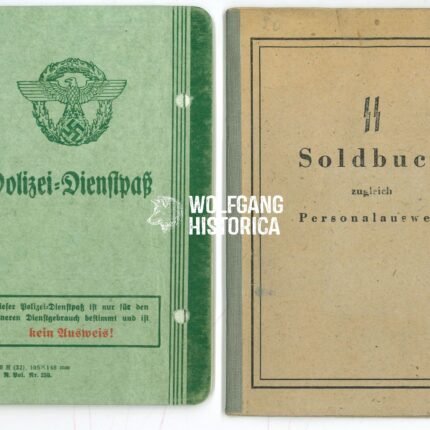
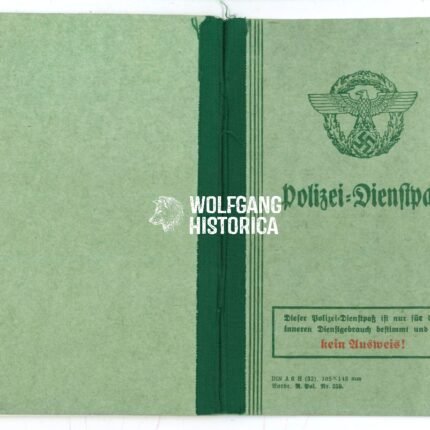
Dienstpass & SS-Soldbuch Grouping – Gendarmerie-Meister (3x Awards)
€325,00A rarely encountered dual-document set to long-serving Gendarmerie-Meister Konrad Sagmeister, born 21 November 1887 in Kammern. This grouping contains both his original Polizei-Dienstpass and his SS-Soldbuch, making it a highly desirable early-career-to-WWII documentation set.
Highlights
-
Complete Polizei-Dienstpass with full personal details and service entries
-
Complete SS-Soldbuch, including the original photograph and the SS runes on the cover — a feature often missing on surviving examples
-
Shows his long career within the Austrian/German police apparatus, culminating in his rank as Gendarmerie-Meister
Awards Listed
Sagmeister’s service record includes multiple pre-war and police long-service decorations:
-
Jubiläumskreuz 1908
-
Erinnerungskreuz 1912/13
-
Polizei-Dienstauszeichnung 1. Stufe
These awards reflect his early Imperial-era service and subsequent decades-long policing career.
Why This Group is Special
-
Matched pair of documents belonging to the same career police NCO/official
-
SS-Soldbuch with photo — very collectible and increasingly hard to find, especially in complete condition
-
Excellent for collectors of Austrian police, Gendarmerie, early service awards, or SS administrative documents

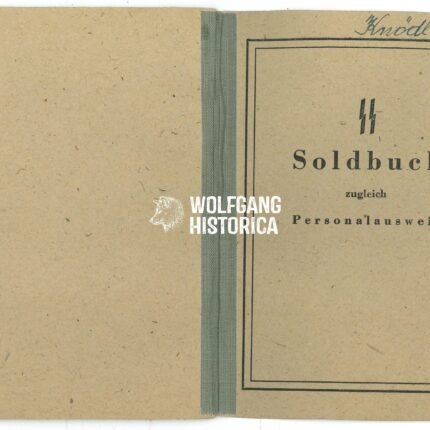
SS-Soldbuch Revier-Oberwachtmeister Schutzpolizei in Graz (1x Award)
€225,00A clean and very appealing example of an SS-Soldbuch issued to Revier-Oberwachtmeister der Schutzpolizei der Reserve August Knödl, a long-serving police NCO of the Schutzpolizei. His Soldbuch (Nr. 219) was formally opened and certified in Graz by an SS-Standartenführer und Kommandeur der Schutzpolizei, whose large violet service stamp and signature appear prominently on the opening pages. This Soldbuch comes complete with its original uniform portrait, clearly stamped by the issuing authority, and Knödl’s own signature on the identification page.
Highlights & Content
-
Full (Near Mint) SS-Soldbuch, simultaneously functioning as a Personal Identity Document. The Runes have not been deleted as with many of these Polizei SS ID’s!
-
Original photo of the holder in police uniform
-
Issued to a Reserve-Oberwachtmeister der Schutzpolizei
-
Signed and stamped by the Commander of the Schutzpolizei Graz (SS-Standartenführer)
-
Knödl is marked as recipient of the Kriegsverdienstmedaille (War Merit Medal), entered on page 5
-
Detailed personal data including:
-
Birthdate: 27.07.1903
-
Birthplace: Weitersfeld / Raabs an der Thaya (Niederösterreich)
-
Physical description: 173 cm, kräftig, dunkelblond, graue Augen
-
-
Page 6–7 list his next of kin (wife and family), showing continued residence in the Graz area
-
Included with the Soldbuch is the original Bescheinigung (issuance certificate) confirming the handing-over of Soldbuch Nr. 219 and Knödl’s obligation to report its loss immediately — a seldom-seen extra document
Condition
Very well preserved, crisp pages, fully readable entries, and an exceptionally clean photograph. No missing parts. One of the better Polizei-related SS-Soldbücher to surface.
A Solid Documentation Set
Soldbücher issued to police personnel under SS authority — especially with the issuing signature of a Standartenführer der Schutzpolizei Graz — are scarce. The presence of the medal entry, full personal data, original photo, and the rare accompanying Bescheinigung make this a compelling and complete piece for any collector of police or SS administrative documentation.