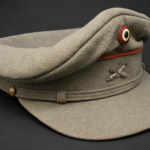
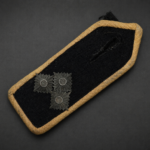
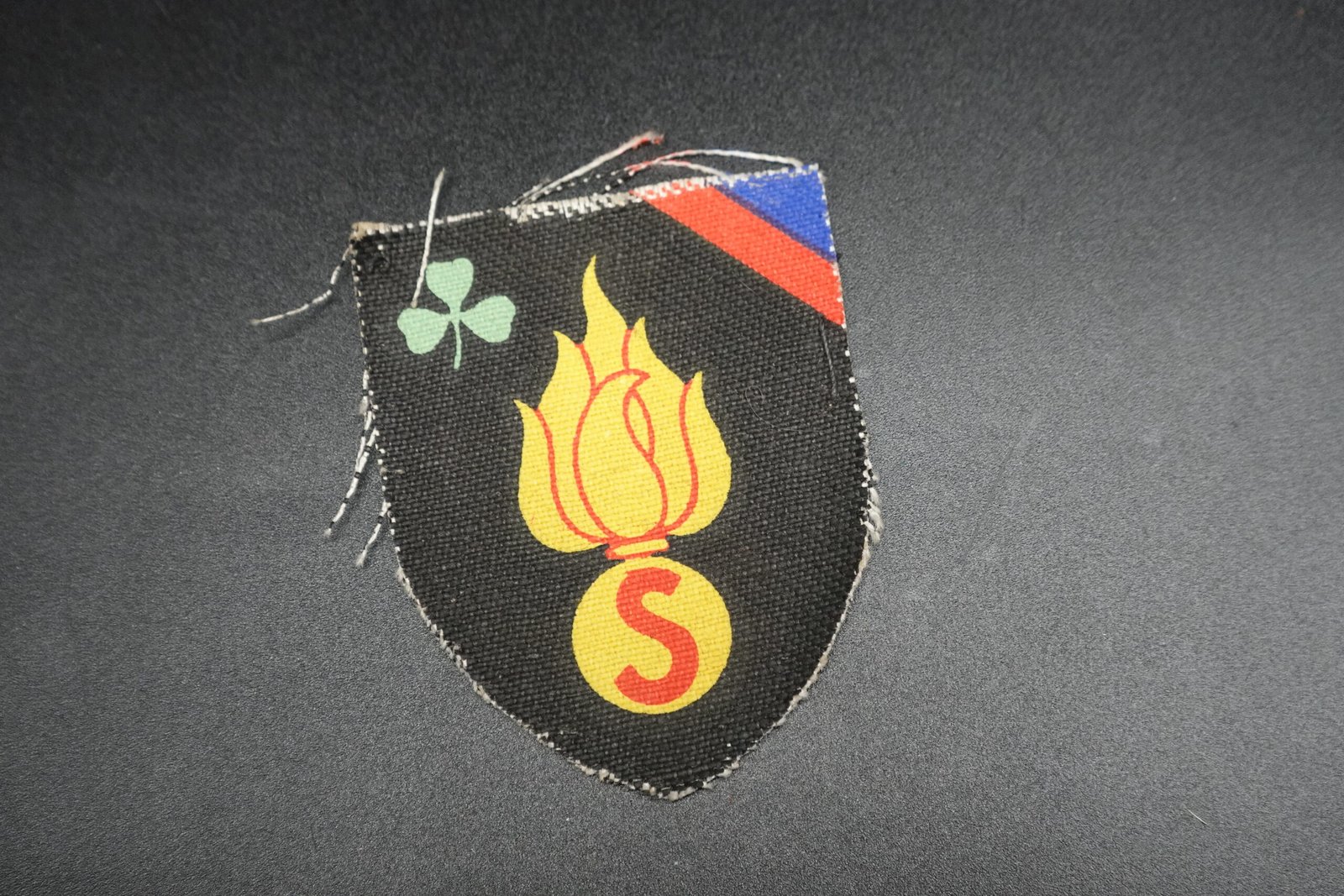
Belgian BUNC Korea Battalion Insignia – Korean War Volunteer Corps
Original Belgian BUNC Battalion insignia (“Belgian United Nations Command”) associated with the Belgian volunteer contingent during the Korean War, later adopted within 3 Para traditions.
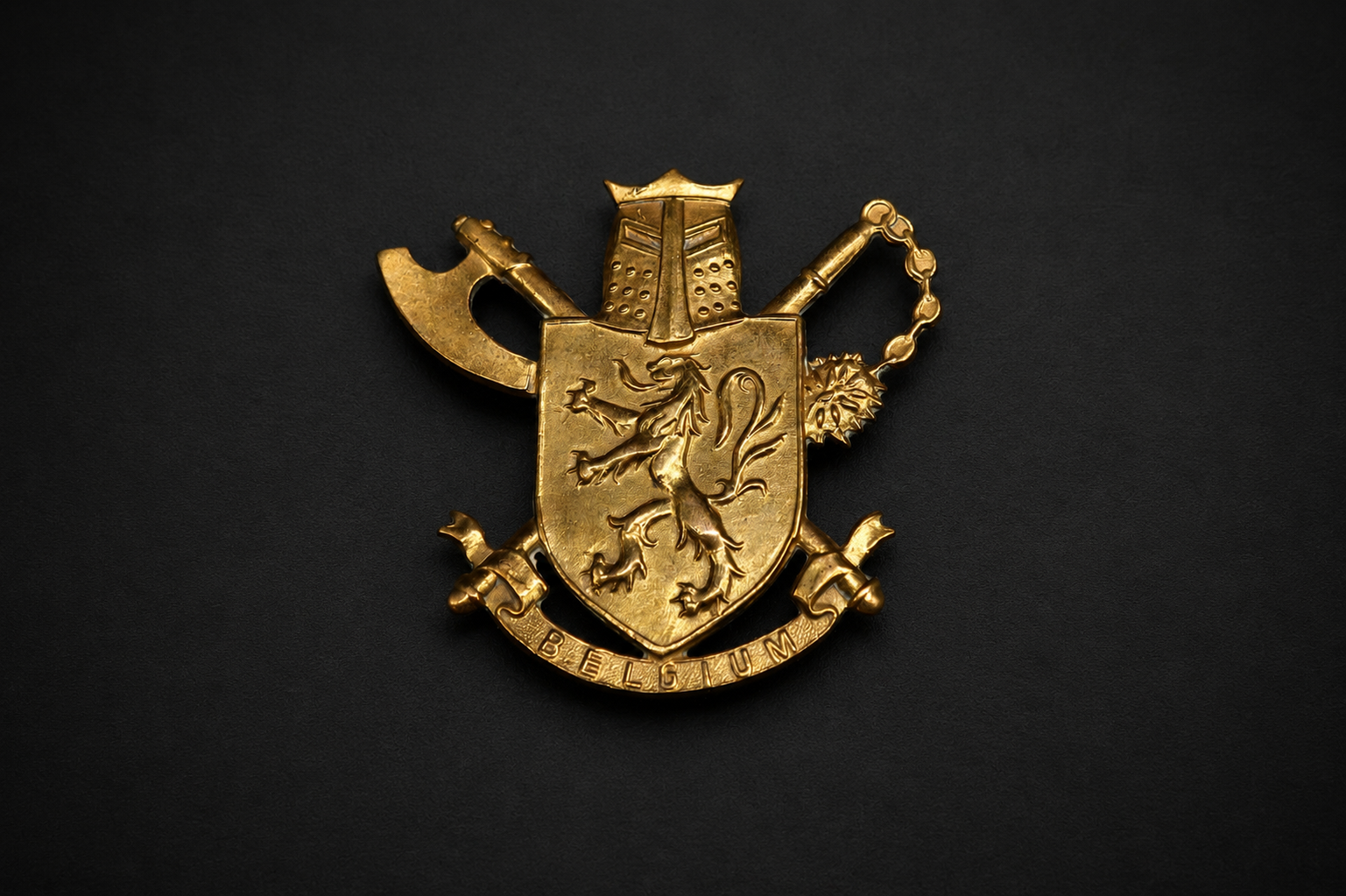
A very attractive and detailed example featuring the Belgian lion shield with crossed weapons motif and “BELGIUM” scroll beneath. The reverse retains its original pin setup.
An increasingly desirable piece linked to Belgium’s participation in the Korean War and Belgian airborne history.
Wolfgang Historica is a trusted seller with years of experience and consistently positive reviews. We are always interested in purchasing collections or unique objects and also offer a professional consignment service. Buy with confidence.
Historical Description
The Belgian United Nations Command (BUNC) Battalion was formed in 1950 following the outbreak of the Korean War, when Belgium volunteered troops for the United Nations effort defending South Korea against North Korean and later Chinese forces. Officially known as the Belgian Volunteer Corps for Korea, the unit quickly earned a strong combat reputation during engagements such as the battles of the Imjin River and Haktang-ni.
This distinctive insignia features the heraldic lion of Belgium combined with crossed weapons and military symbolism associated with the battalion. The motto “BELGIUM” appears at the bottom. Variants of this insignia were worn by members of the Belgian contingent during and after the Korean War period.
Following the war, traditions and symbolism of the BUNC Battalion continued within elite Belgian airborne formations. The insignia and its heritage were later adopted and associated with the 3rd Parachute Battalion (3 Para), preserving the combat legacy and esprit de corps of the Belgian volunteers who served in Korea.
Today, original Korean War-related Belgian insignia are highly collectible due to the relatively limited Belgian participation and the historical importance of the conflict within Belgian military history.