Fallschirmjäger-Regiment 4 Group (Prior in Russia: Italy, Monte Cassino)
€0,01
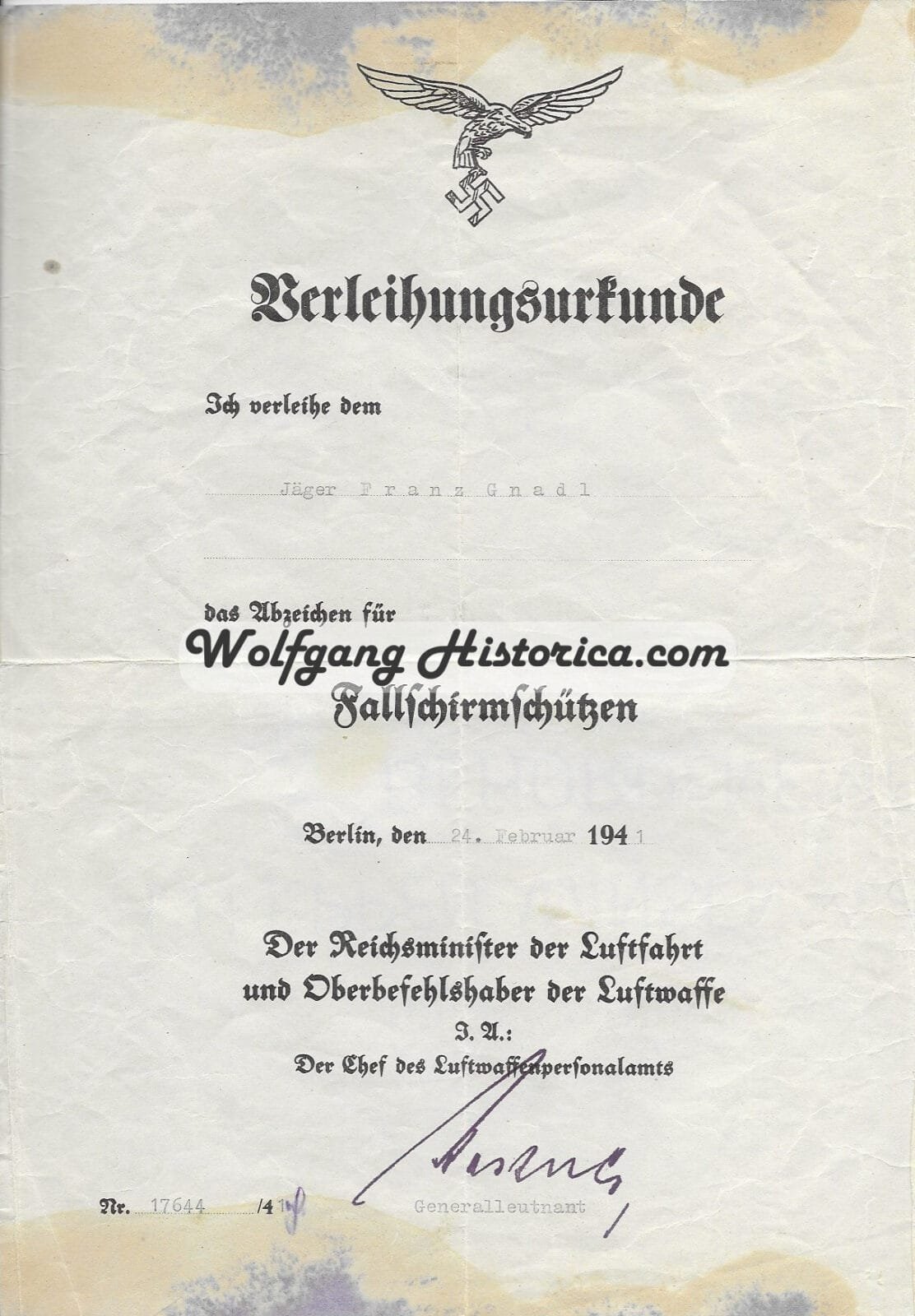
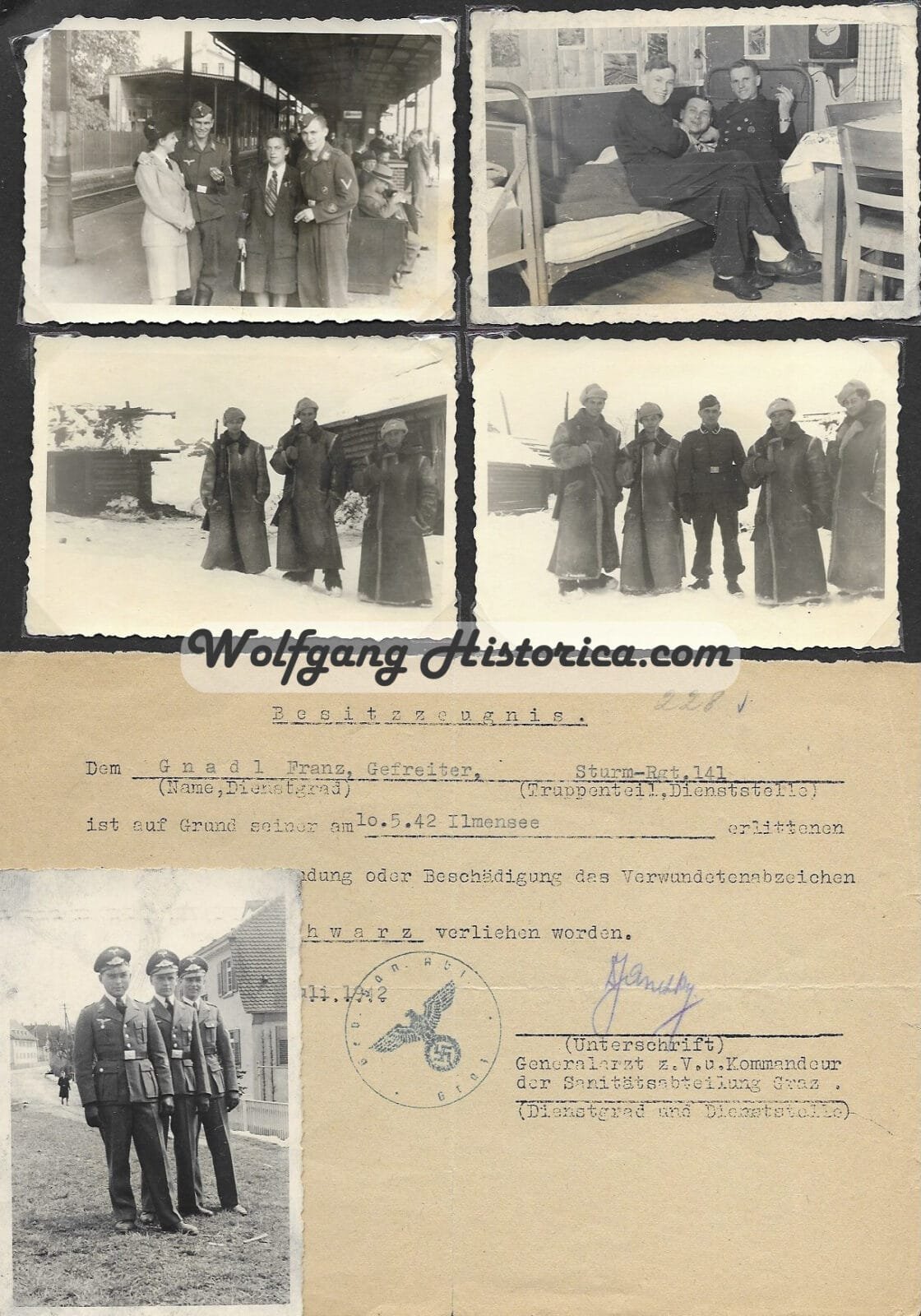
Stunning interesting group Fallschirmjäger (Paratrooper) Franz Gnadl, who served on the Russian Front (!) Sturm-Regiment 141 (I do think this is an error since he likely served with Luftlande-Sturm-Regiment 1 in the 14. Kompanie) and later on in Fallschirmjäger-Regiment 4, which fought most famously in Monte Cassino, Italy where they also earned their nickname “Green Devils“. “In February 1944, the 1st Parachute Division was pulled out of the line and shifted to the defense of Monte Cassino. This dominant position laid astride the road to Rome, and must be taken by the Allies if they were to advance. The division put up a ferocious defense of the site. On 15 February, the carpet bombing and artillery shelling of the Monte Cassino Abbey resulted in its destruction on the false presumption that it was used by the Germans as an observation post. As it would turn out, the only occupants of the Abbey were monks and refugees escaping the fighting. The battle was finally broken off on 22 March. “No other troops in the world but German paratroops could have stood up to such an ordeal and then gone on fighting with such ferocity” — Field Marshal Alexander.”
The group consist of:
- Besitzzeugnis: Verwundetenabzeichen in Schwarz (Wound Badge in Black) for his first wound sustained on May 10, 1942 at Ilmensee. Signed by Generalarzt z.V. und Kommandeur der Sanitäts-Abteilung Graz.
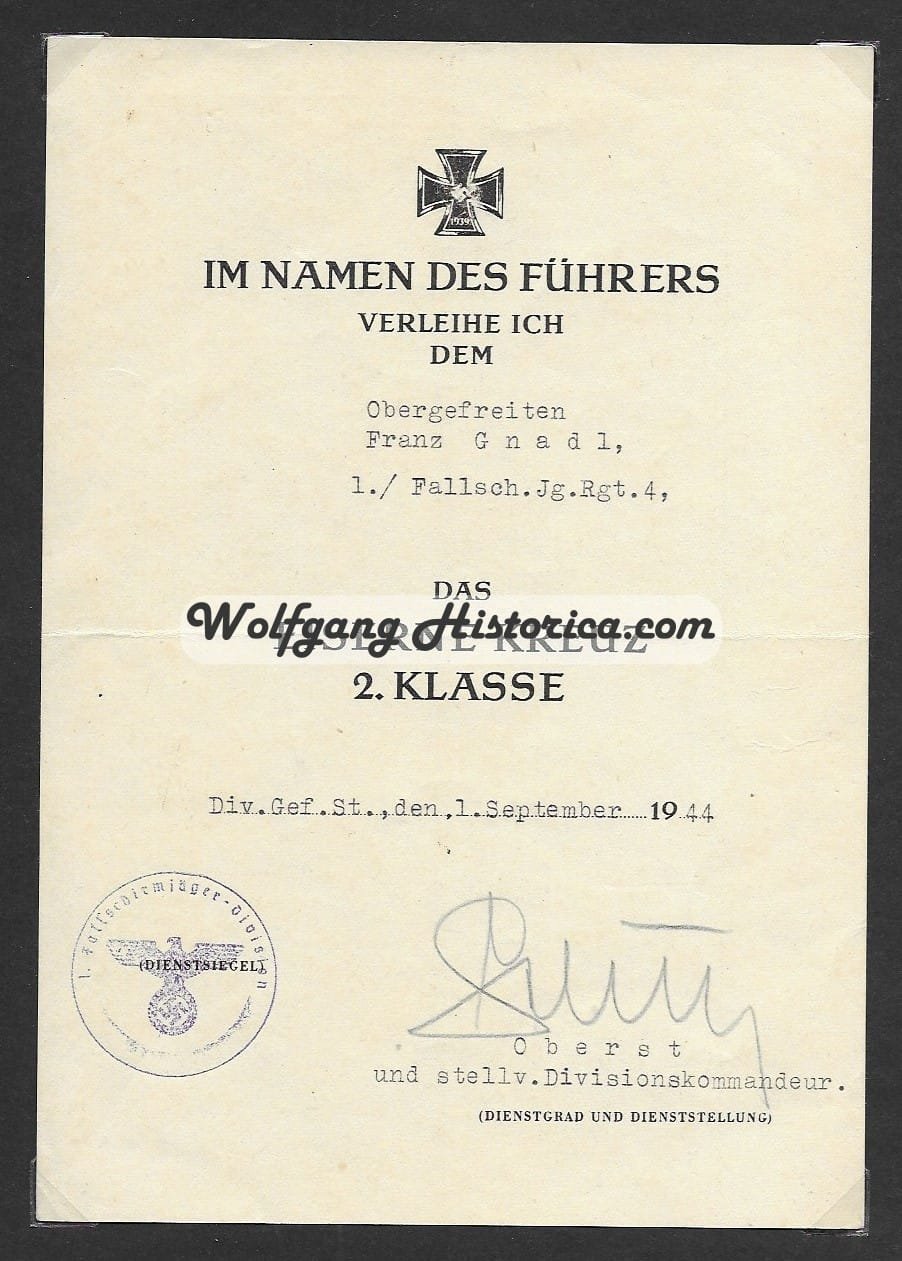
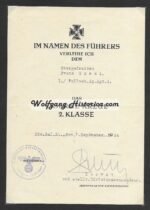
- Eisernes Kreuz 2. Klasse (Iron Cross 2nd Class) for his service (heroic) on September 1, 1944 during the Italian Campaign, which was signed by Oberst u. stellv. Divisions-Kommandeur Karl-Lothar Schulz (Knight’s Cross with Oakleaves and Swords)
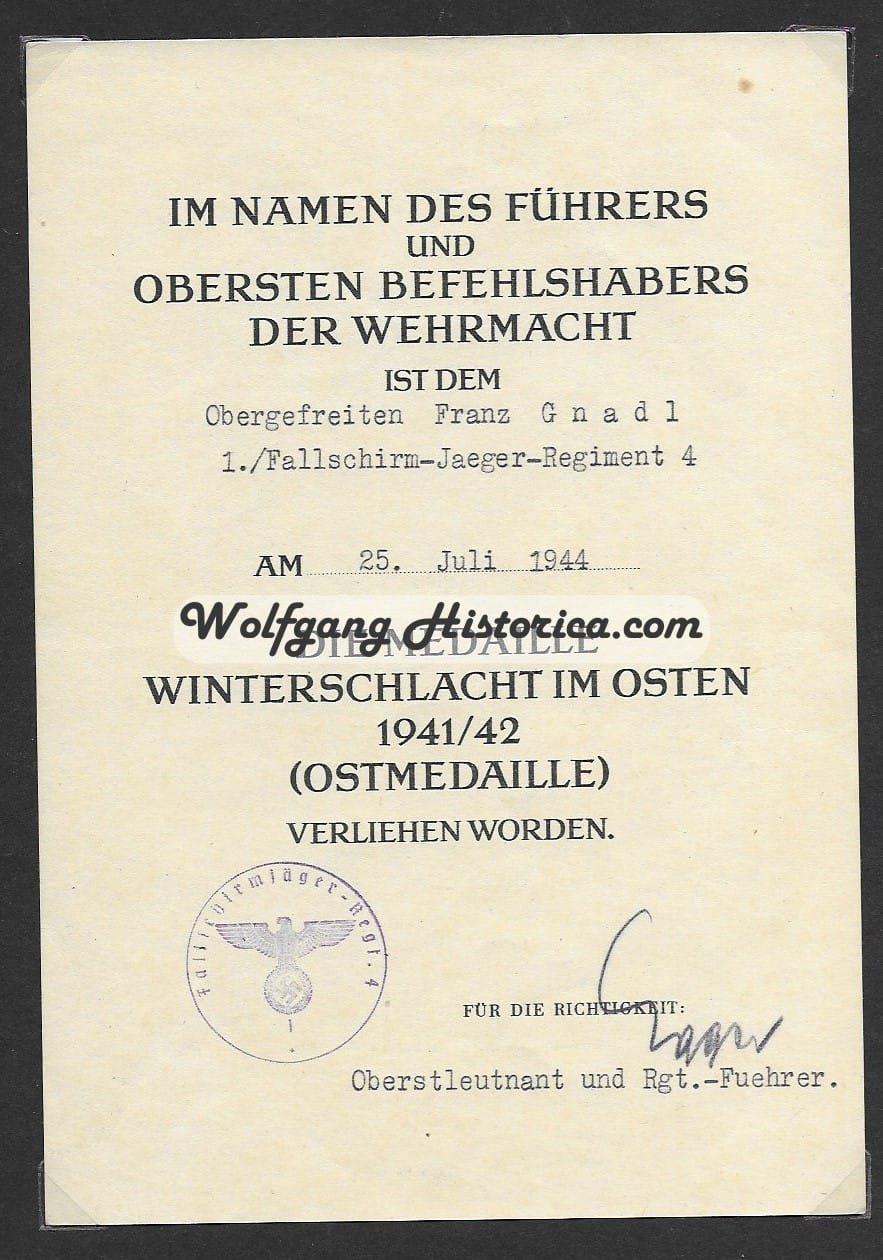
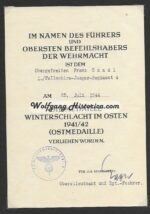
- Winterschlacht im Osten 1941/42 (Winter War Medal) for his service during the harsh winter of 1941/42 on July 25, 1944, which was signed by Oberstleutnant u. Regiments-Führer Reinhard Karl Egger (Knight’s Cross with Oakleaves )
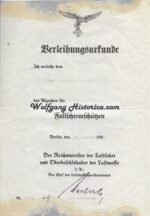
- Fallschirmschützenabzeichen (Paratrooper Badge) on February 24, 1941.
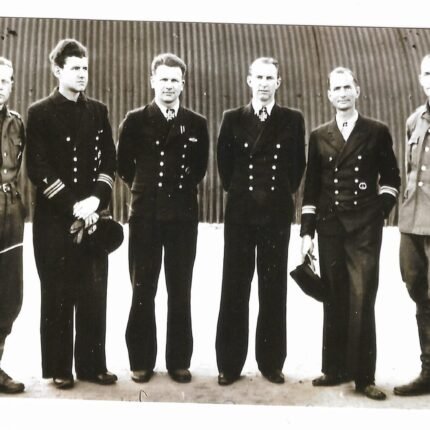
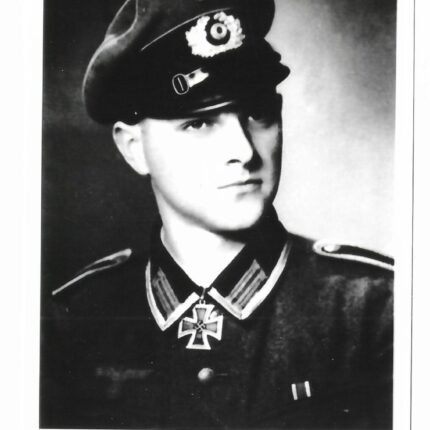
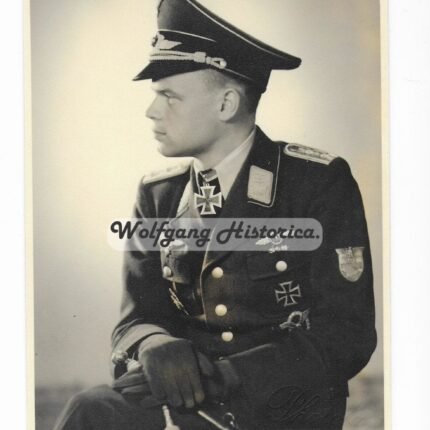
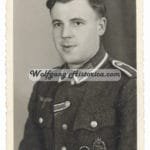
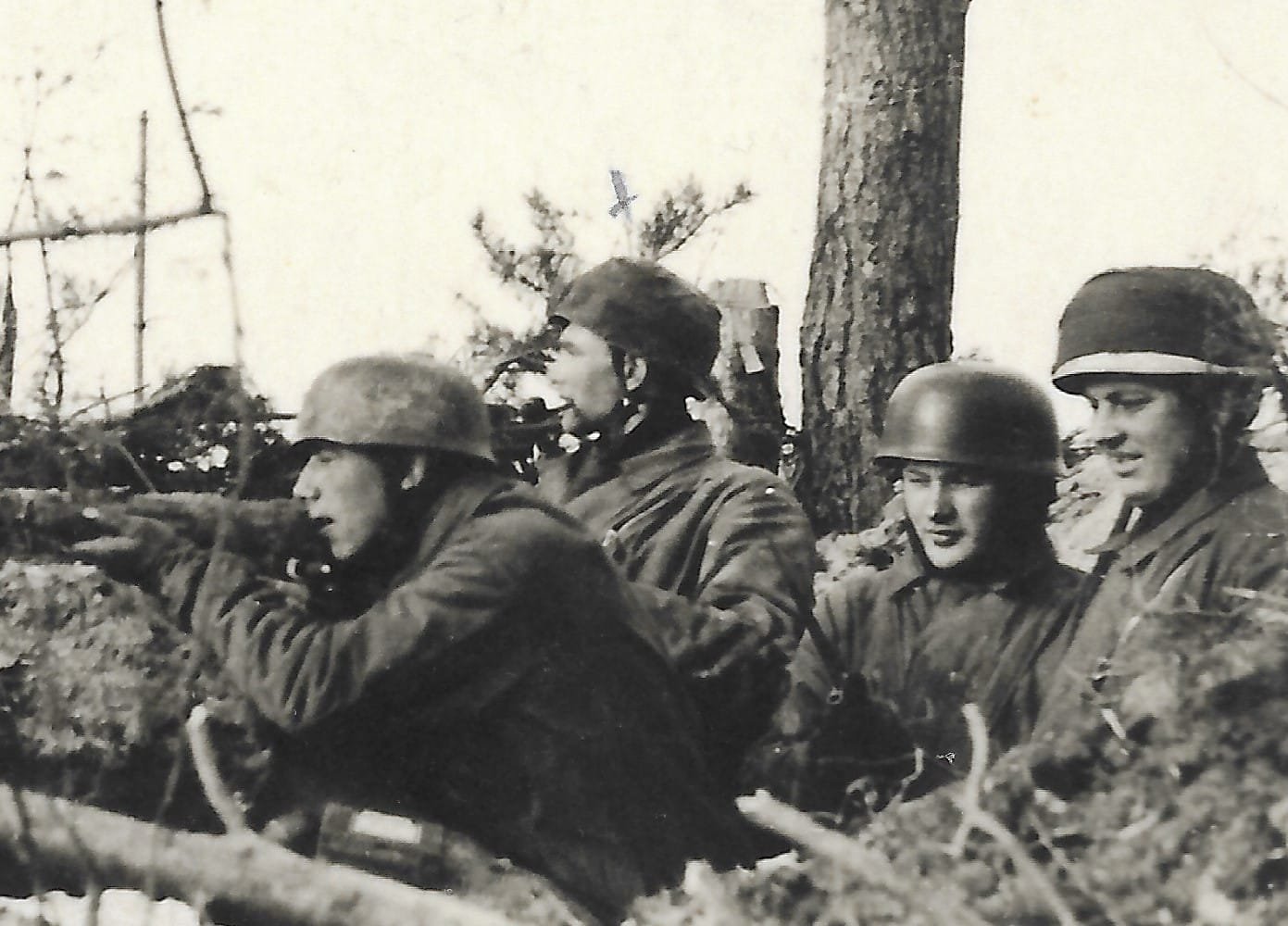
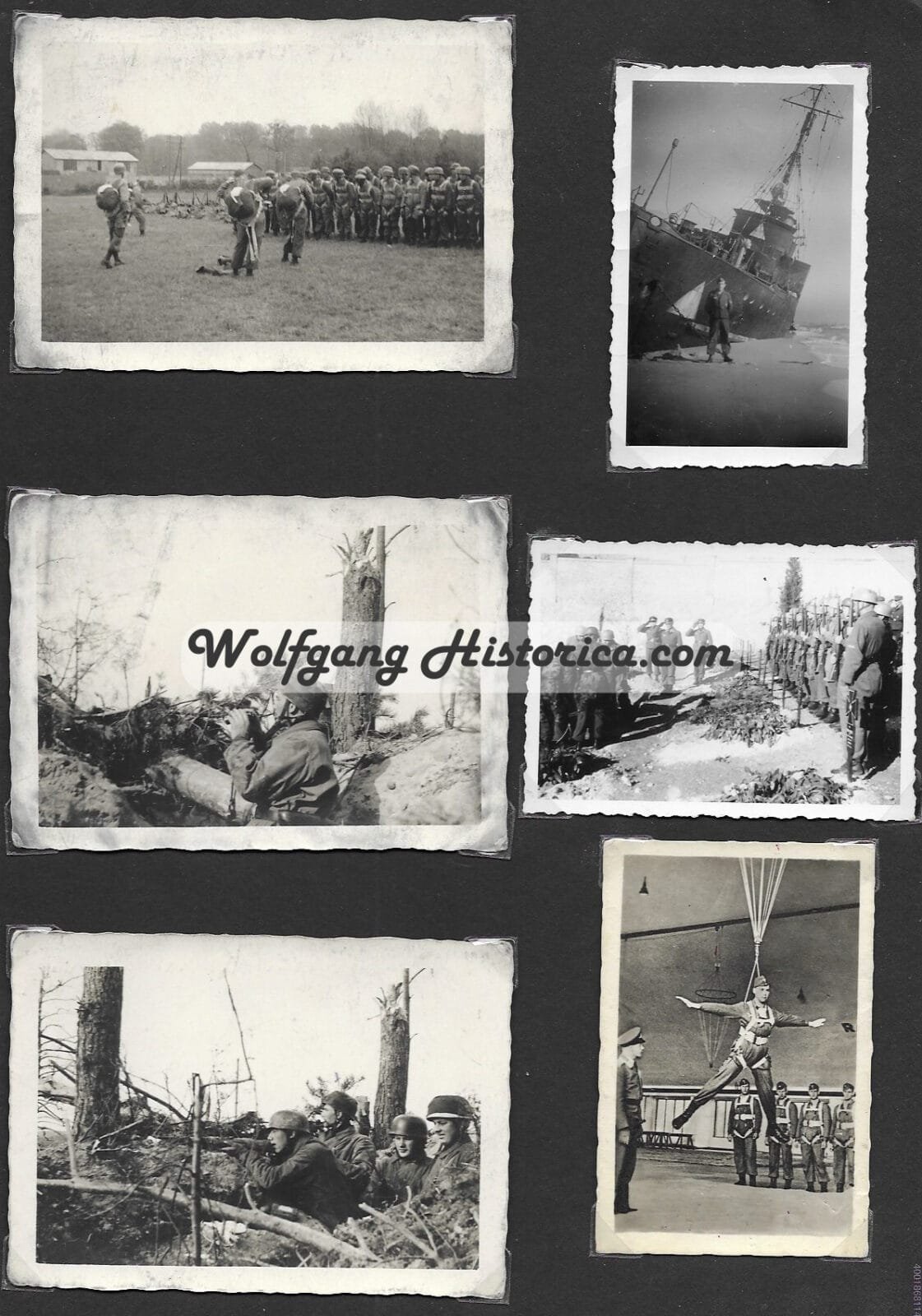
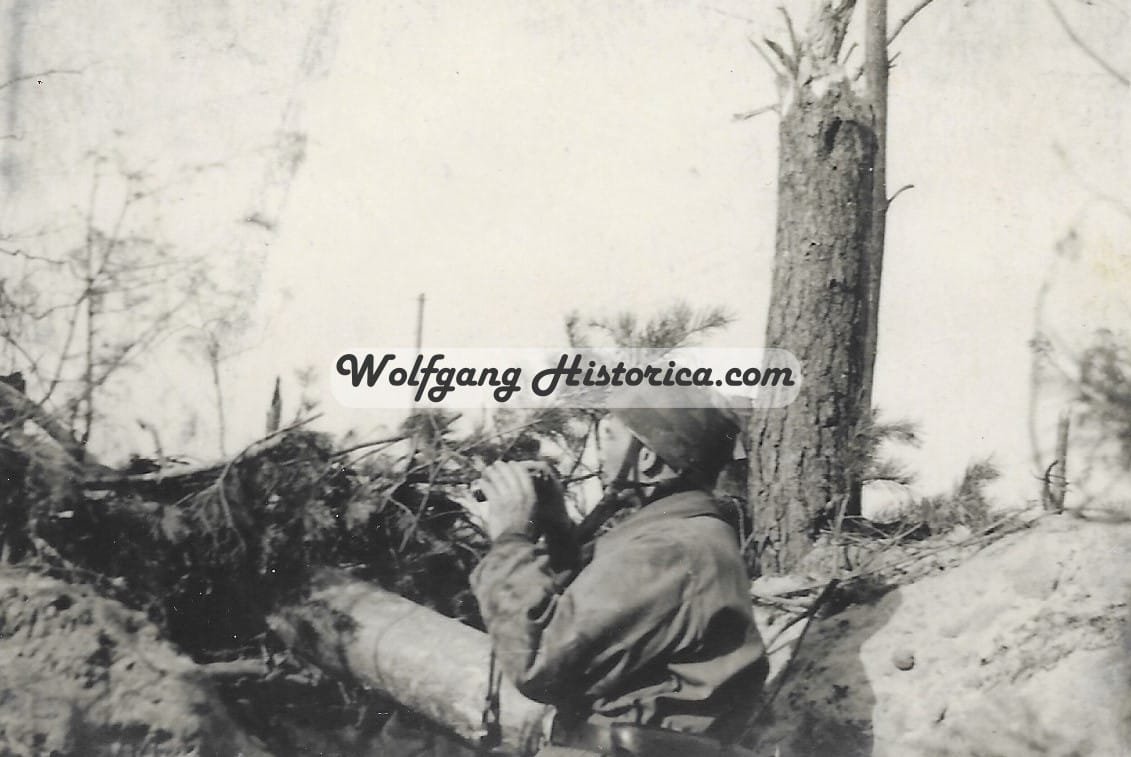
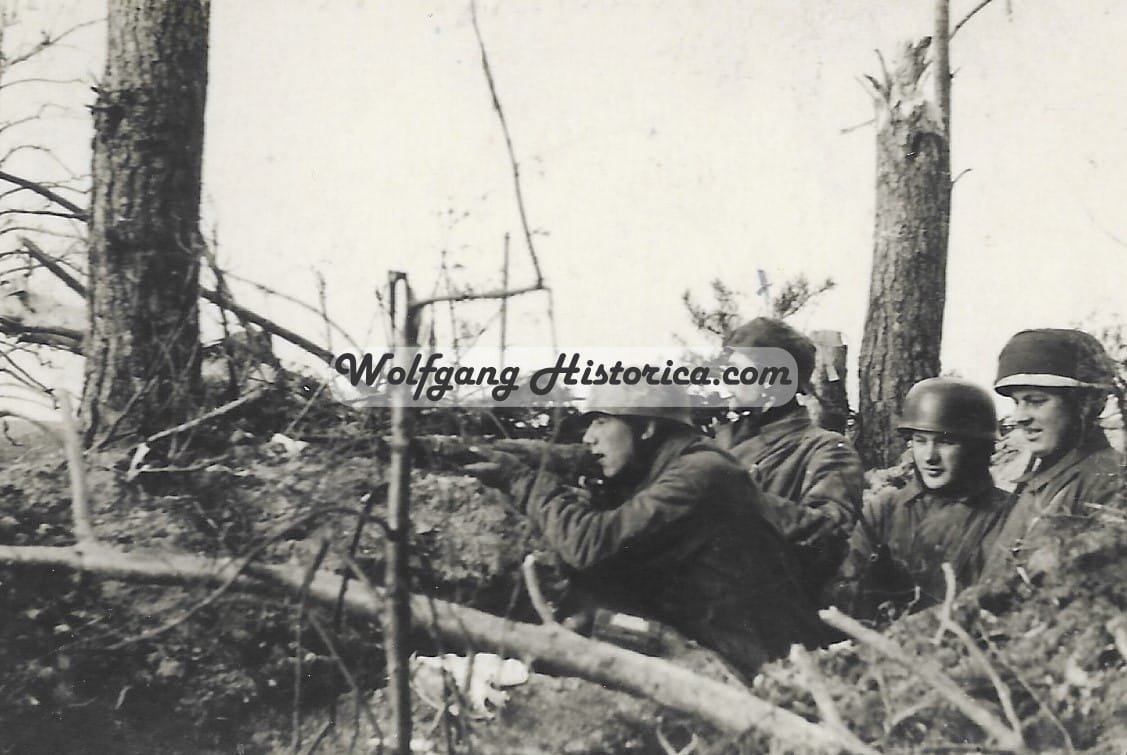
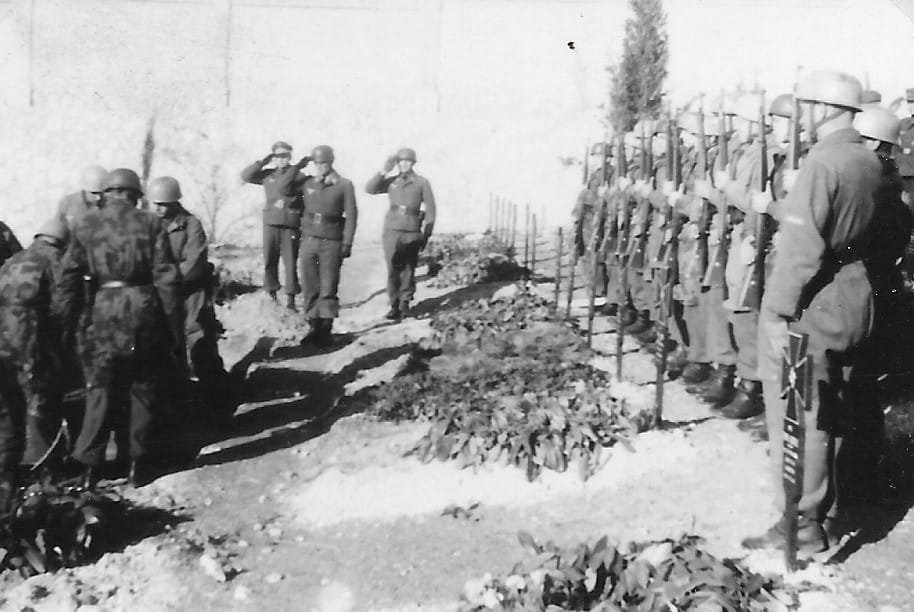
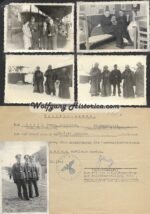
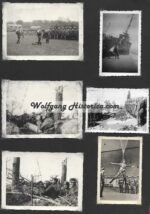
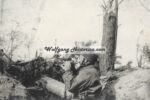
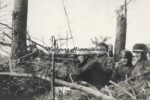
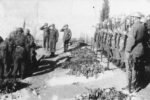
- 11 photographs (Gnadl ID himself with an X on one of the photographs on the Russian front)
All documents are loose (not pasted on the paper but are put in photo corners) as well as the photographs.
Out of stock
Stunning interesting group Fallschirmjäger (Paratrooper) Franz Gnadl, who served on the Russian Front (!) Sturm-Regiment 141 (I do think this is an error since he likely served with Luftlande-Sturm-Regiment 1 in the 14. Kompanie) and later on in Fallschirmjäger-Regiment 4, which fought most famously in Monte Cassino, Italy where they also earned their nickname “Green Devils“. “In February 1944, the 1st Parachute Division was pulled out of the line and shifted to the defense of Monte Cassino. This dominant position laid astride the road to Rome, and must be taken by the Allies if they were to advance. The division put up a ferocious defense of the site. On 15 February, the carpet bombing and artillery shelling of the Monte Cassino Abbey resulted in its destruction on the false presumption that it was used by the Germans as an observation post. As it would turn out, the only occupants of the Abbey were monks and refugees escaping the fighting. The battle was finally broken off on 22 March. “No other troops in the world but German paratroops could have stood up to such an ordeal and then gone on fighting with such ferocity” — Field Marshal Alexander.”
The group consist of:
- Besitzzeugnis: Verwundetenabzeichen in Schwarz (Wound Badge in Black) for his first wound sustained on May 10, 1942 at Ilmensee. Signed by Generalarzt z.V. und Kommandeur der Sanitäts-Abteilung Graz.
- Eisernes Kreuz 2. Klasse (Iron Cross 2nd Class) for his service (heroic) on September 1, 1944 during the Italian Campaign, which was signed by Oberst u. stellv. Divisions-Kommandeur Karl-Lothar Schulz (Knight’s Cross with Oakleaves and Swords)
- Winterschlacht im Osten 1941/42 (Winter War Medal) for his service during the harsh winter of 1941/42 on July 25, 1944, which was signed by Oberstleutnant u. Regiments-Führer Reinhard Karl Egger (Knight’s Cross with Oakleaves )
- Fallschirmschützenabzeichen (Paratrooper Badge) on February 24, 1941.
- 11 photographs (Gnadl ID himself with an X on one of the photographs on the Russian front)
All documents are loose (not pasted on the paper but are put in photo corners) as well as the photographs.