WWII Soldbuch, Wehrpass & EKM Grouping – Straßenbau-Pionier-Btl. 580, Bau-Pio-Btl. 91 & 97 – Decorated Veteran

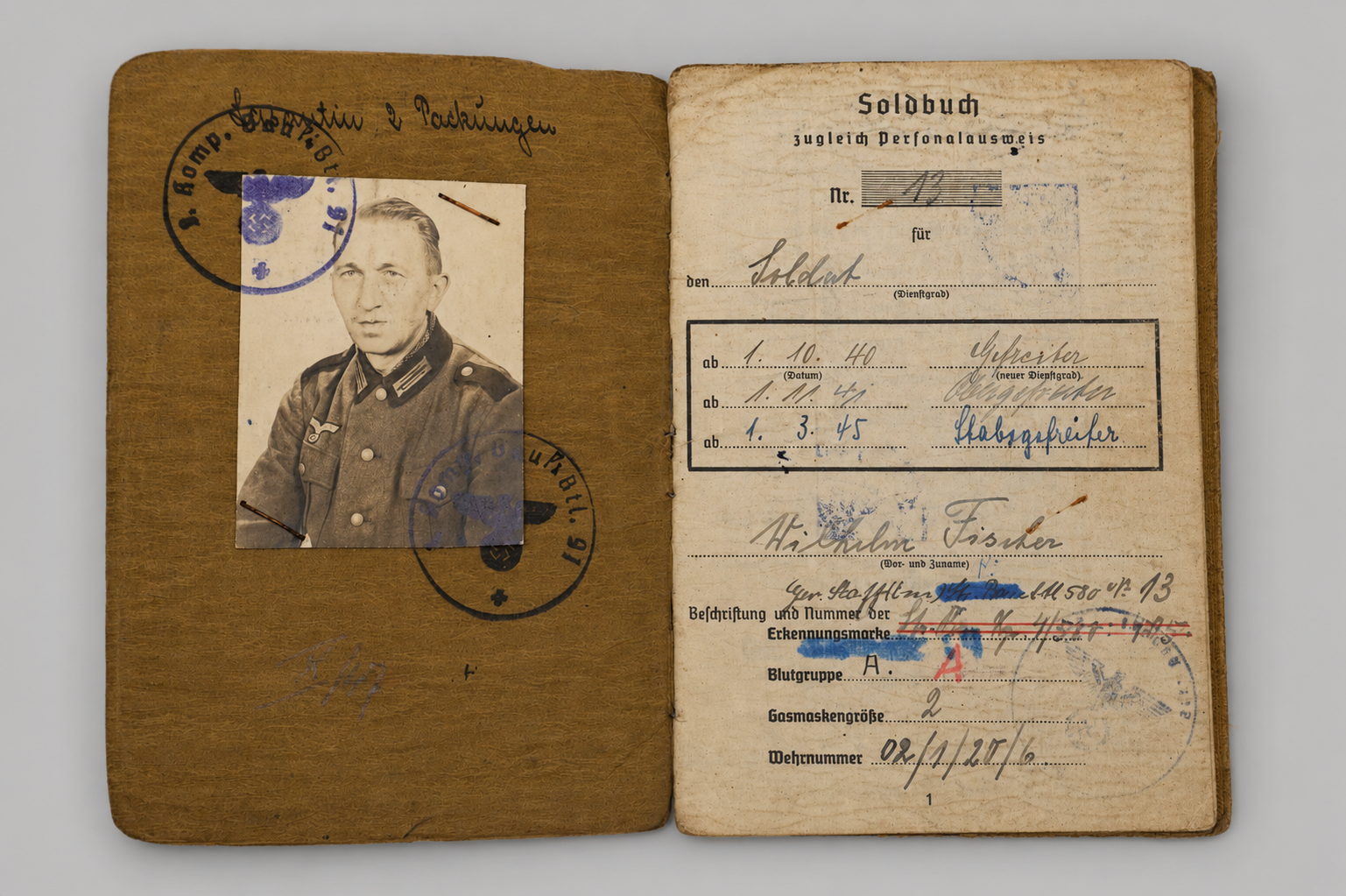
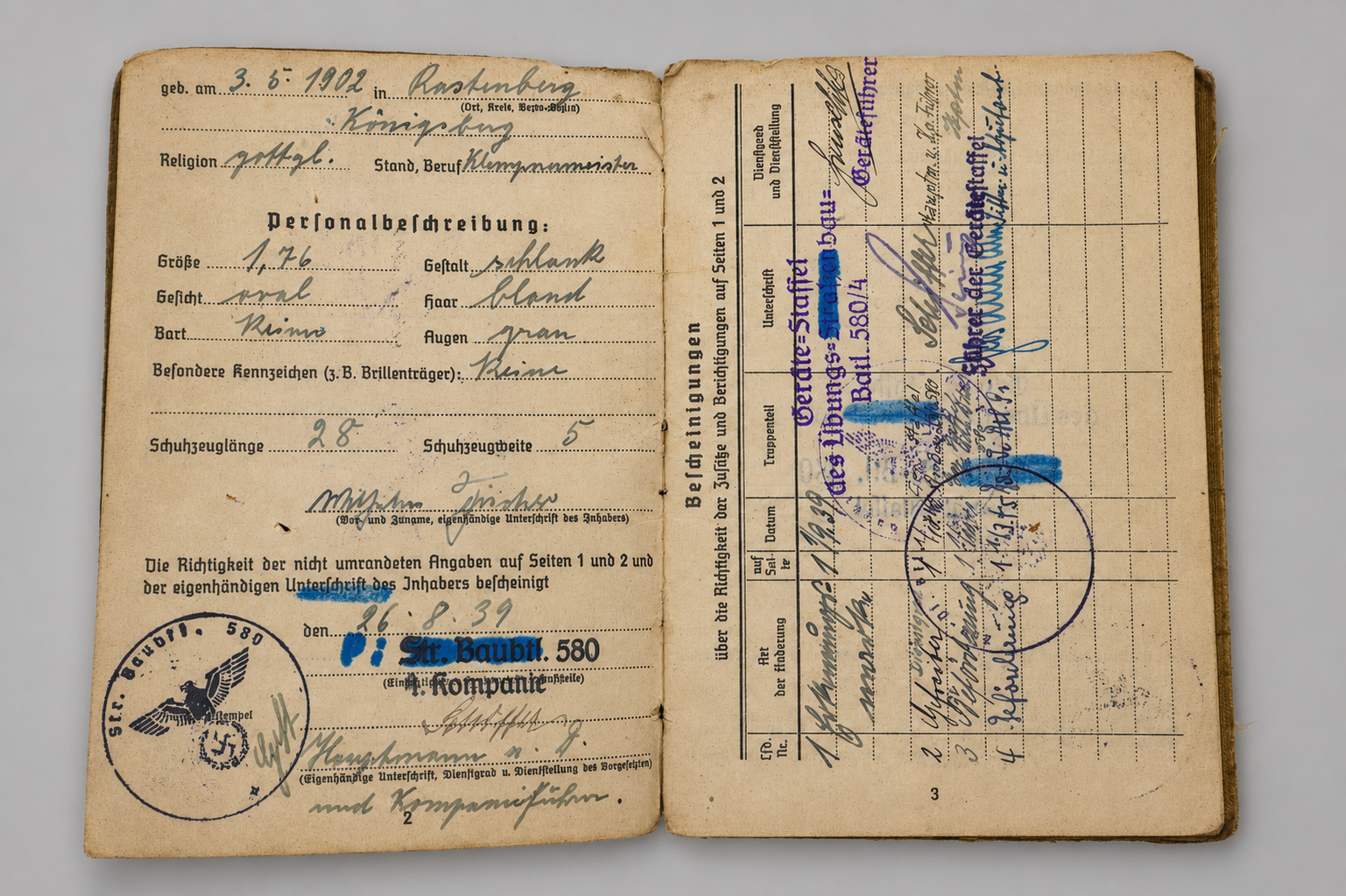
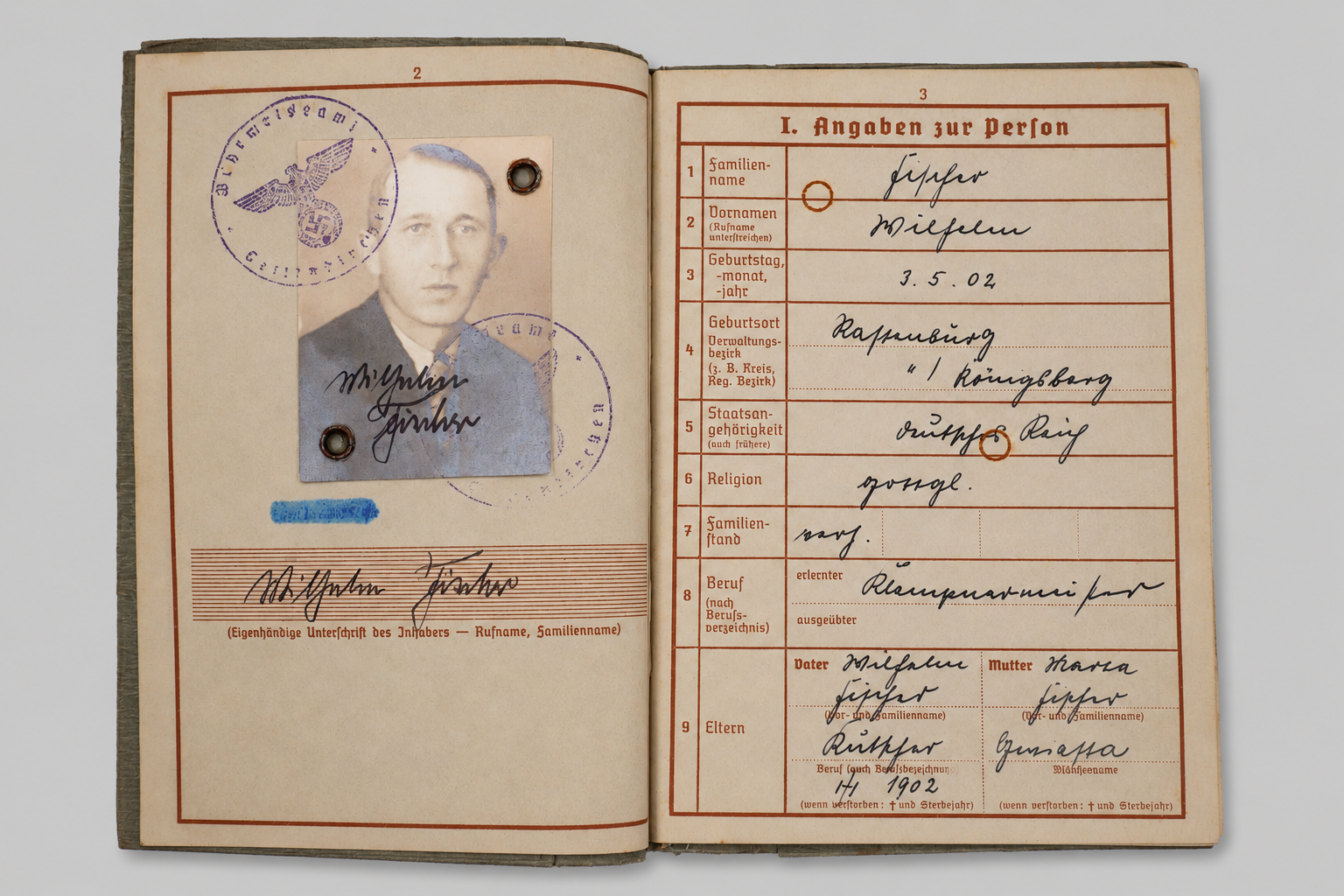
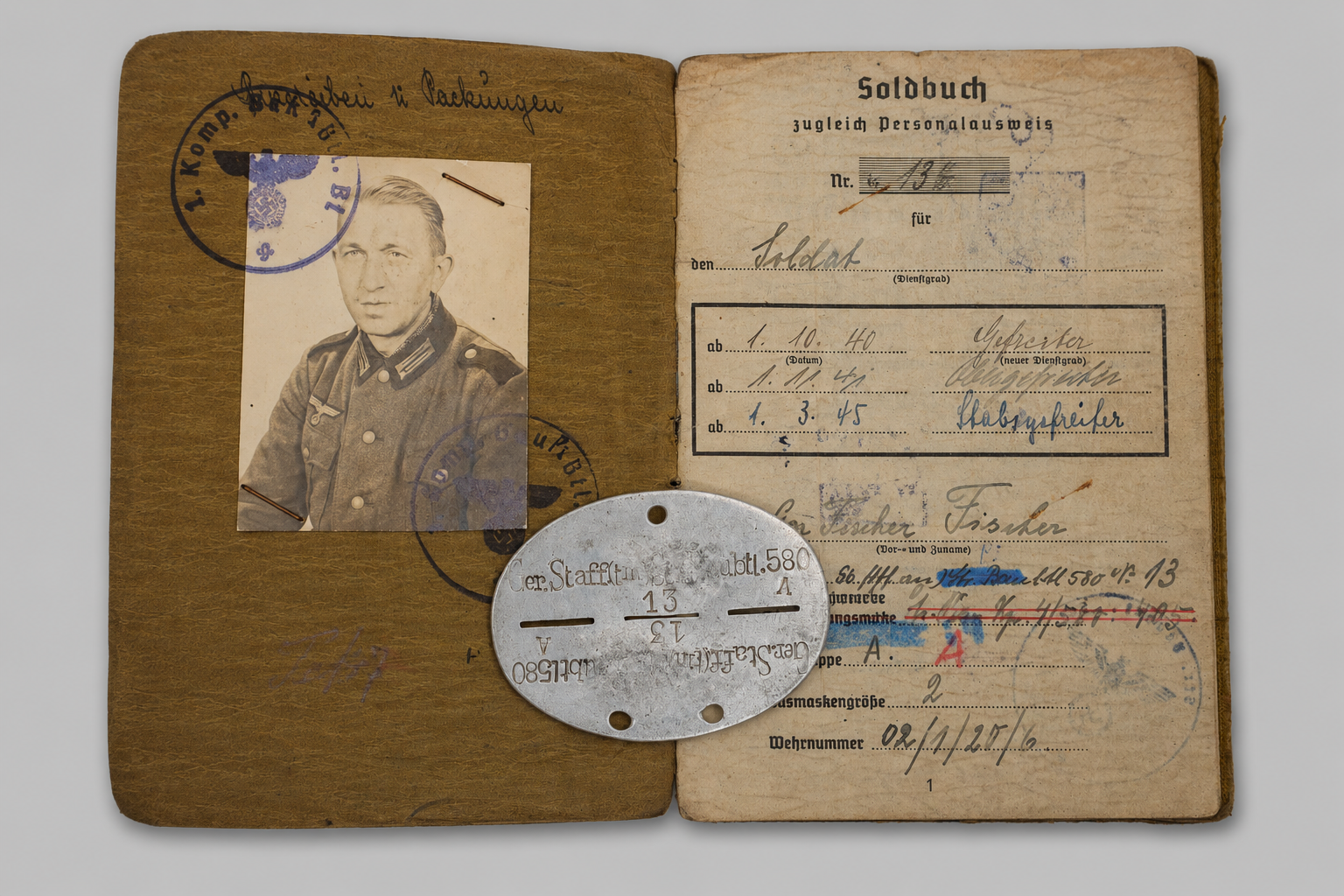
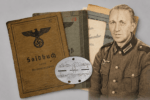
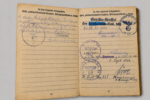
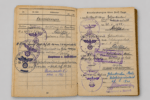
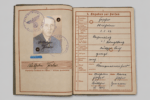
Original WWII German Soldbuch & Document Grouping belonging to Stabsgefreiter Wilhelm Fischer, born 3 May 1902 in Rastenburg, East Prussia, a soldier serving within the Straßenbau-Bataillon 580 / Bau-Pionier formations of the German Army during the Second World War.

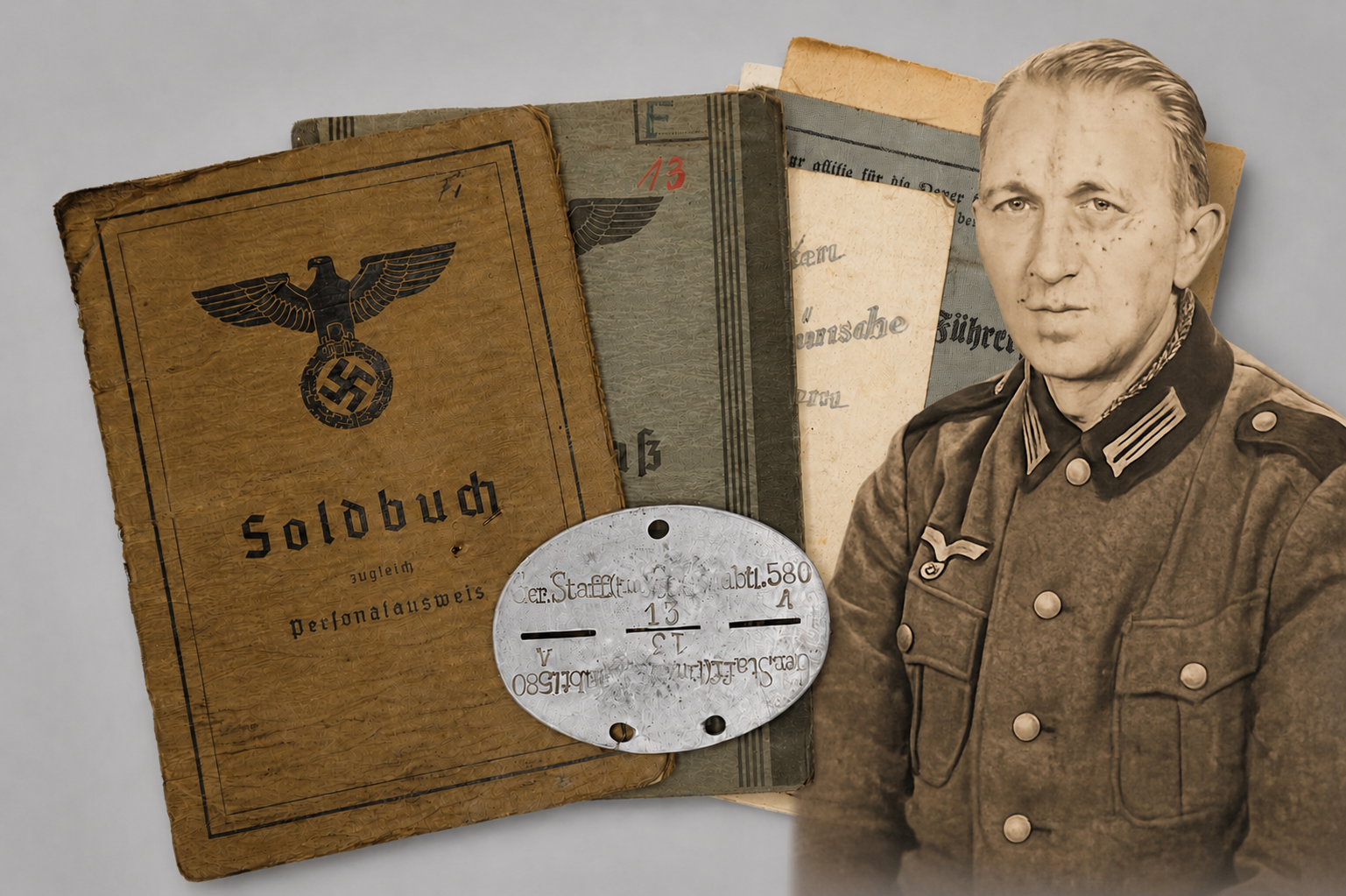
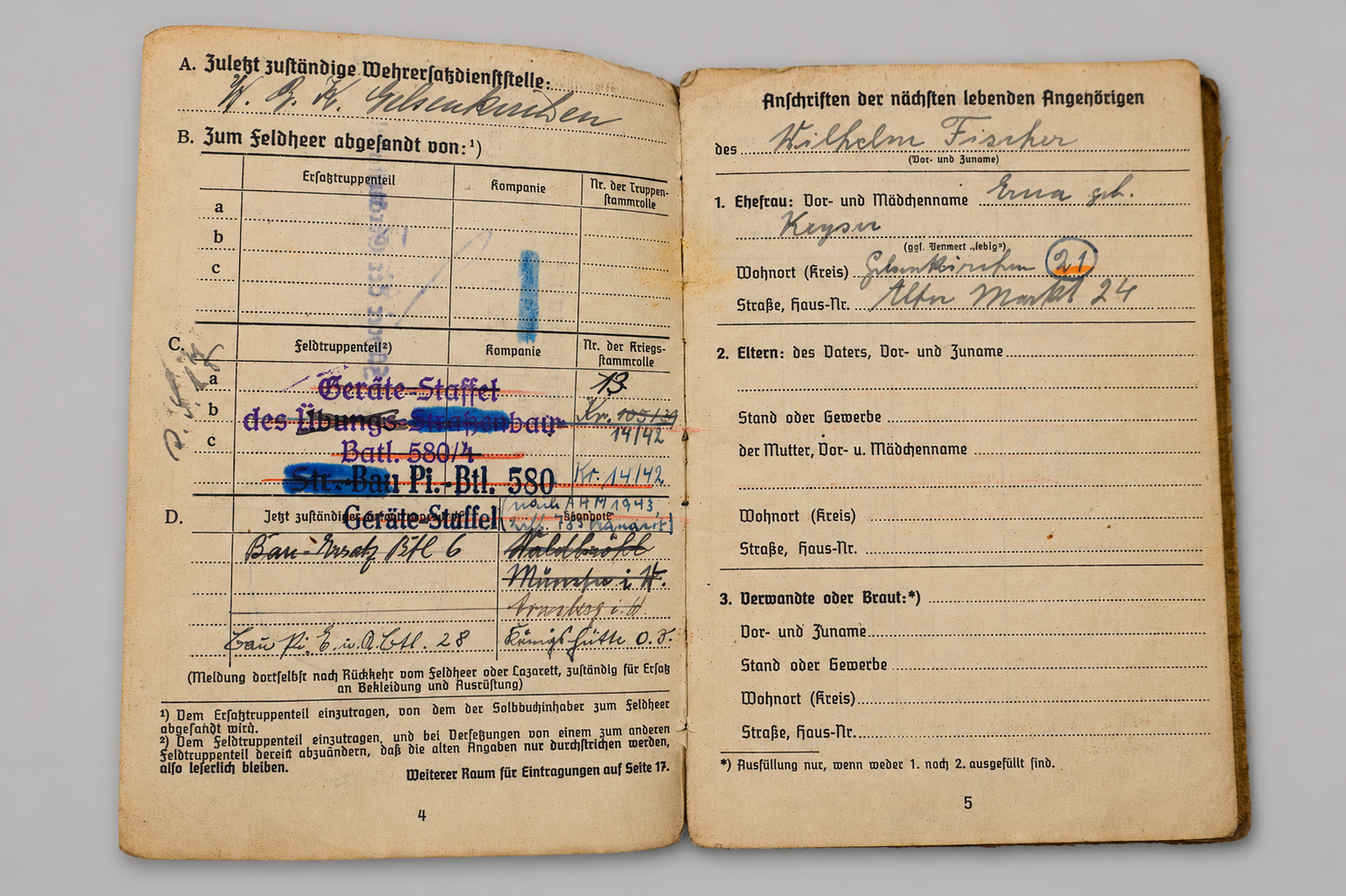
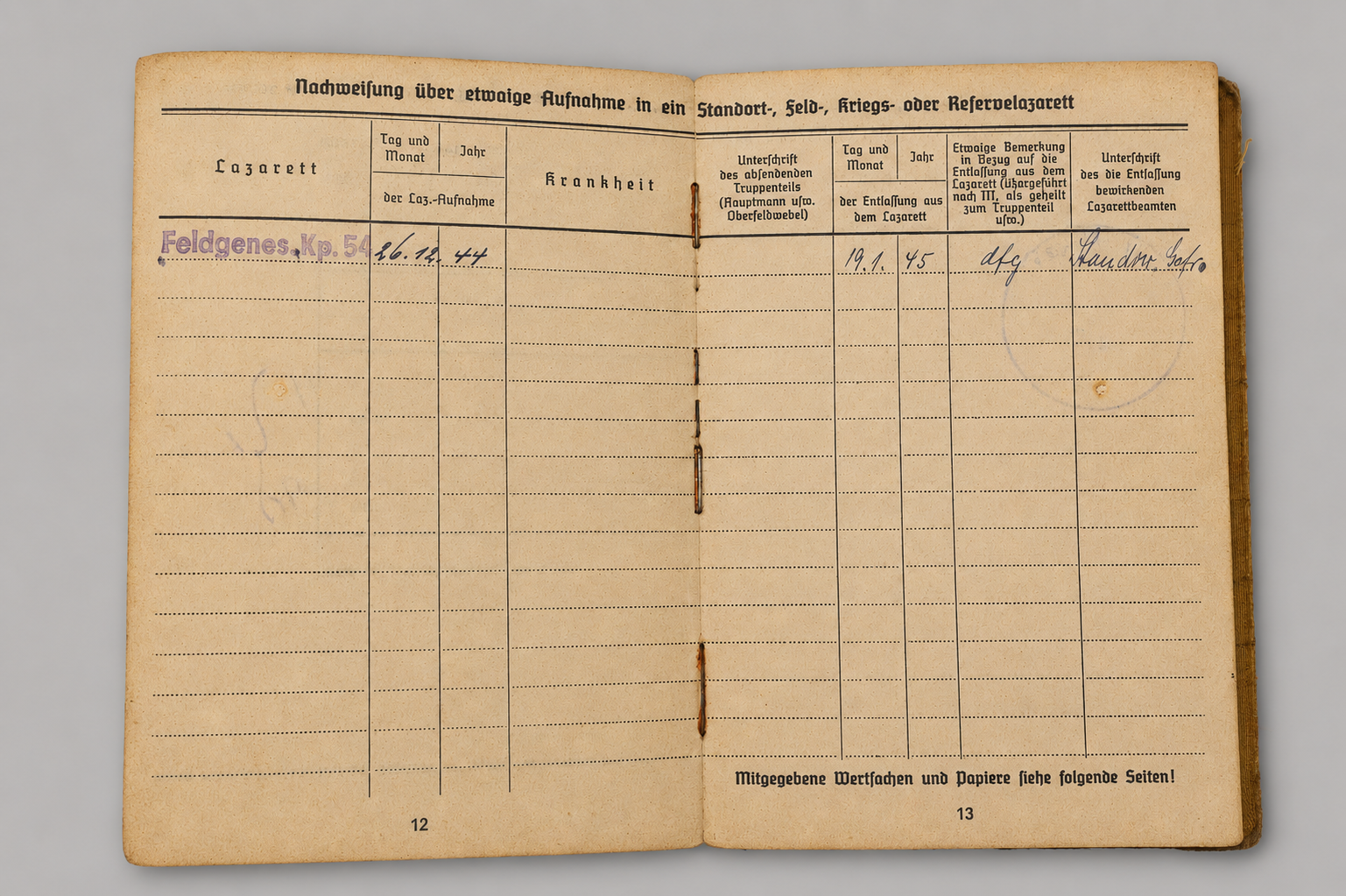
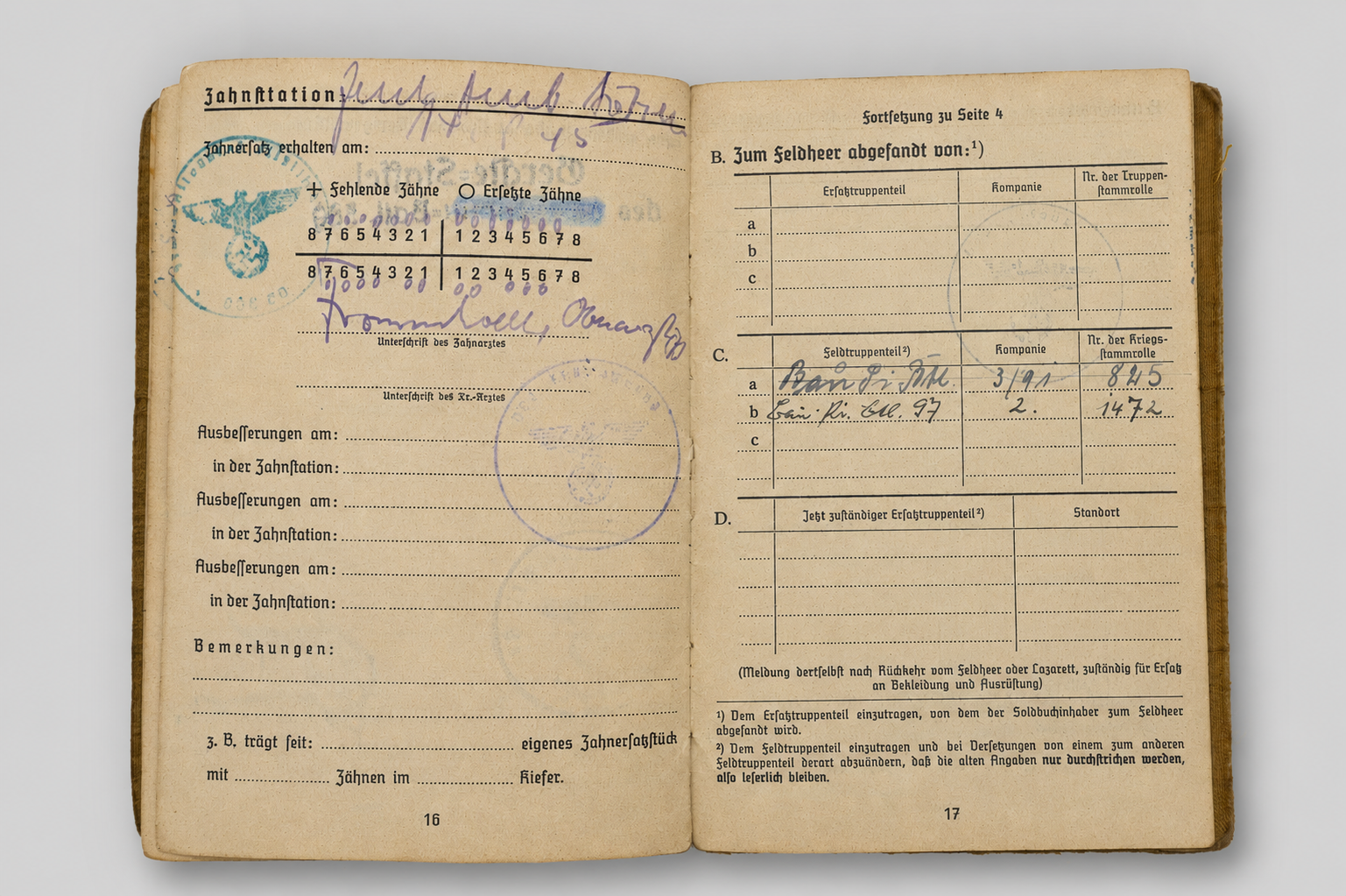
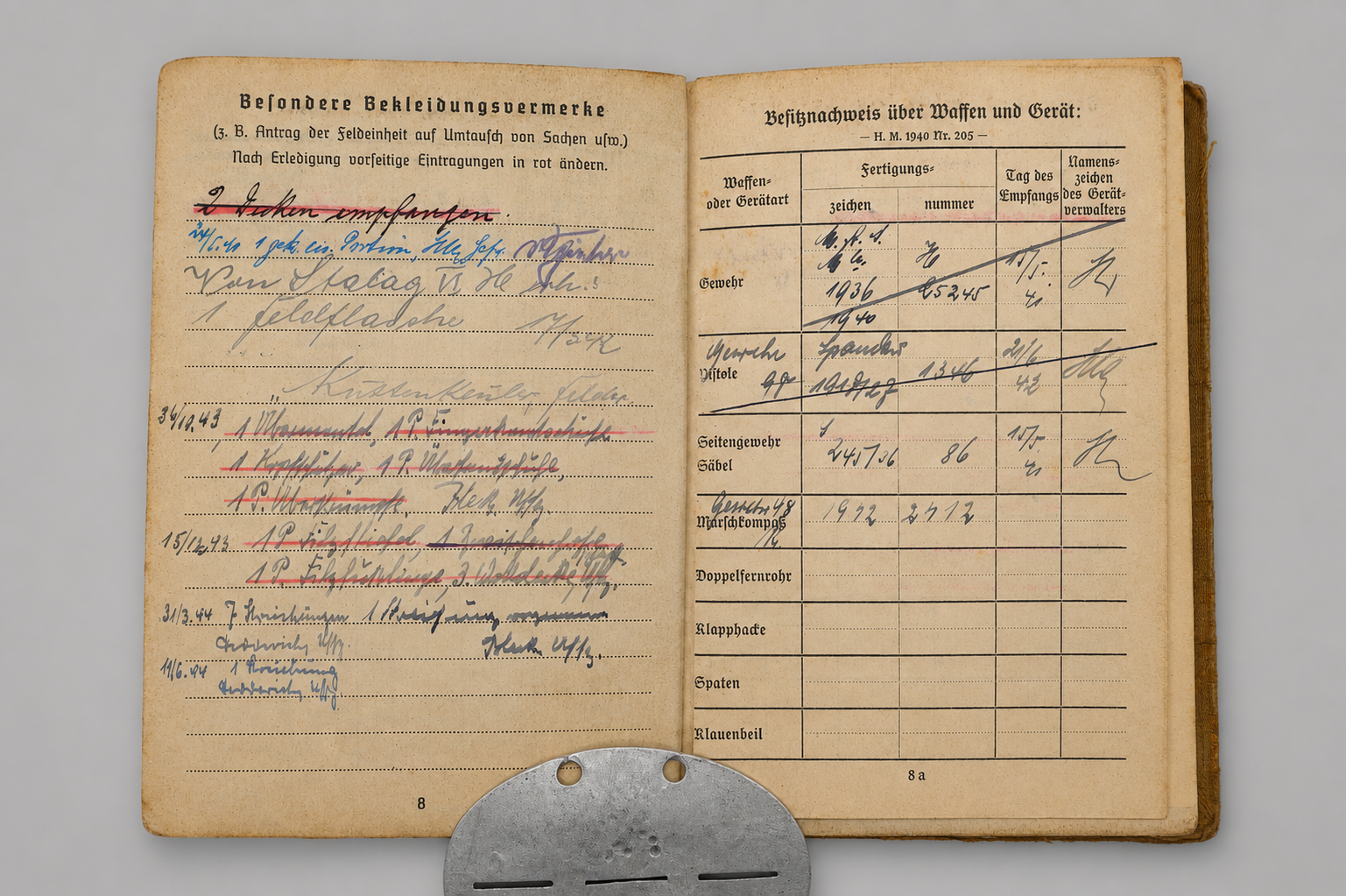
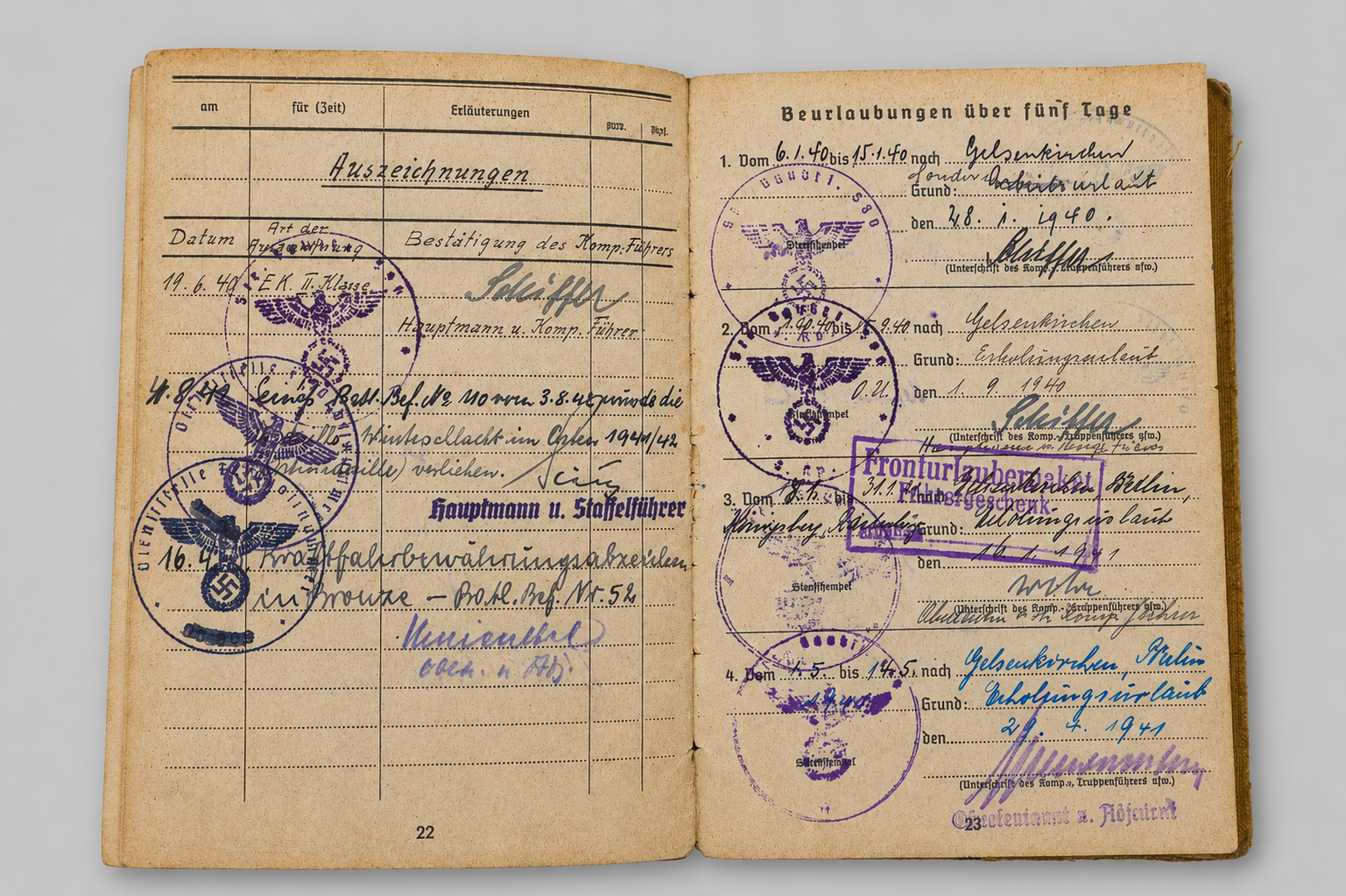
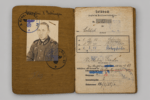
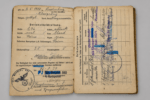
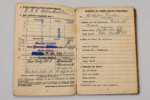
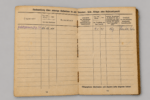
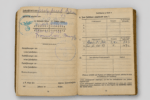
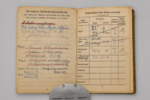
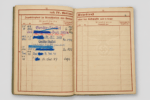
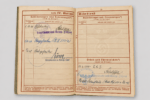
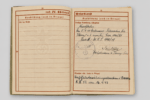
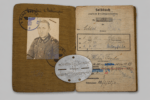
A very complete and researchable grouping containing the soldier’s original Soldbuch, accompanying documents, portrait photographs, and matching Erkennungsmarke (dog tag). The Soldbuch is extensively filled out with numerous wartime entries, official stamps, promotions, equipment issue records, leave entries, and award confirmations.

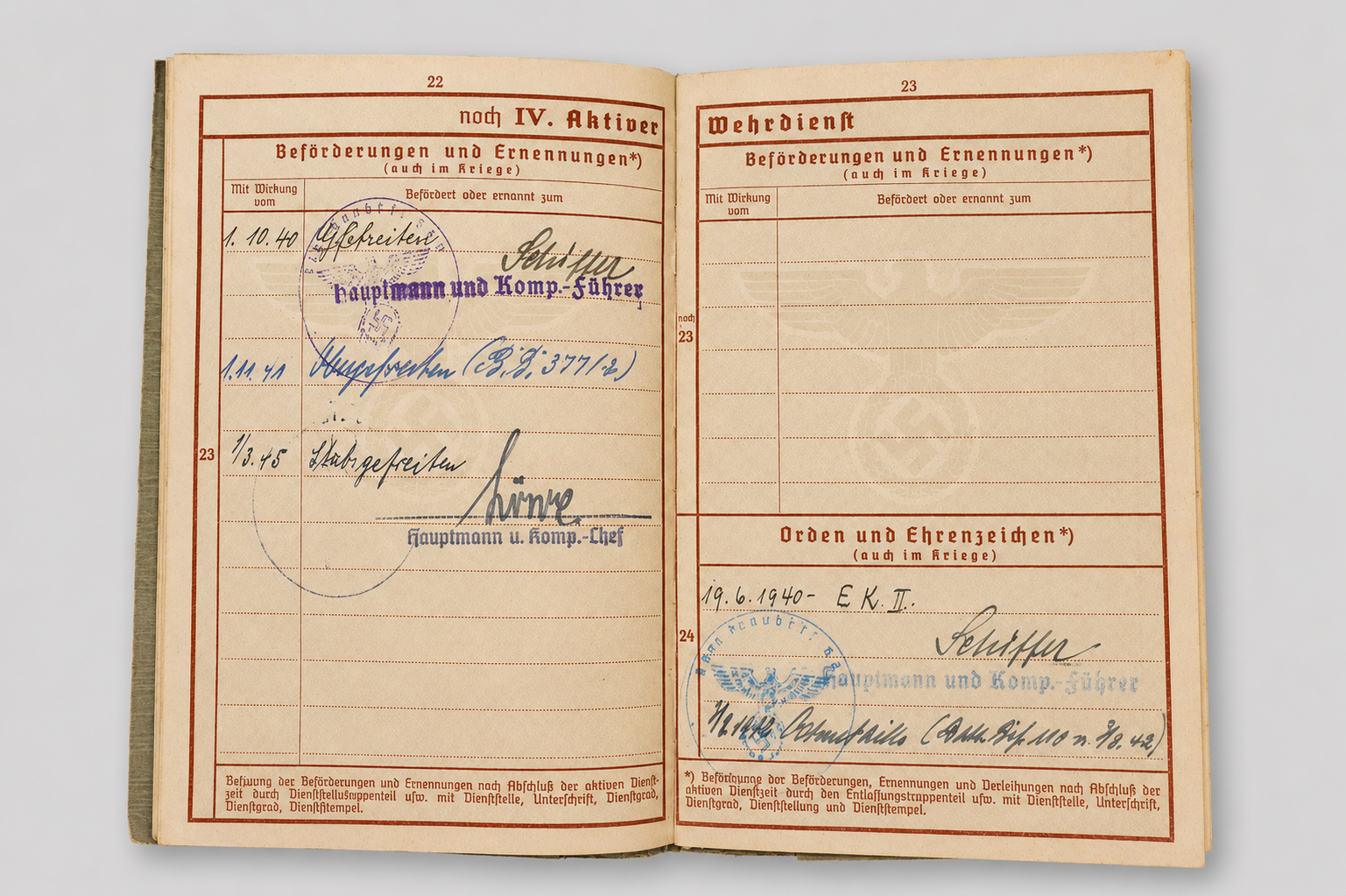
Wilhelm Fischer served as a Bau-Pionier / Straßenbau soldier, responsible for military construction and infrastructure duties. Throughout the war he advanced from Gefreiter to Stabsgefreiter, with recorded promotions:

  • Gefreiter – 1 October 1940
  • Obergefreiter – 1 November 1941
  • Stabsgefreiter – 1 March 1945

The Soldbuch records the award of the:

  • Eisernes Kreuz 2. Klasse (EK II / Iron Cross 2nd Class) – awarded 19 June 1940
  • Winterschlacht im Osten 1941/42 Medal (Eastern Front Medal)
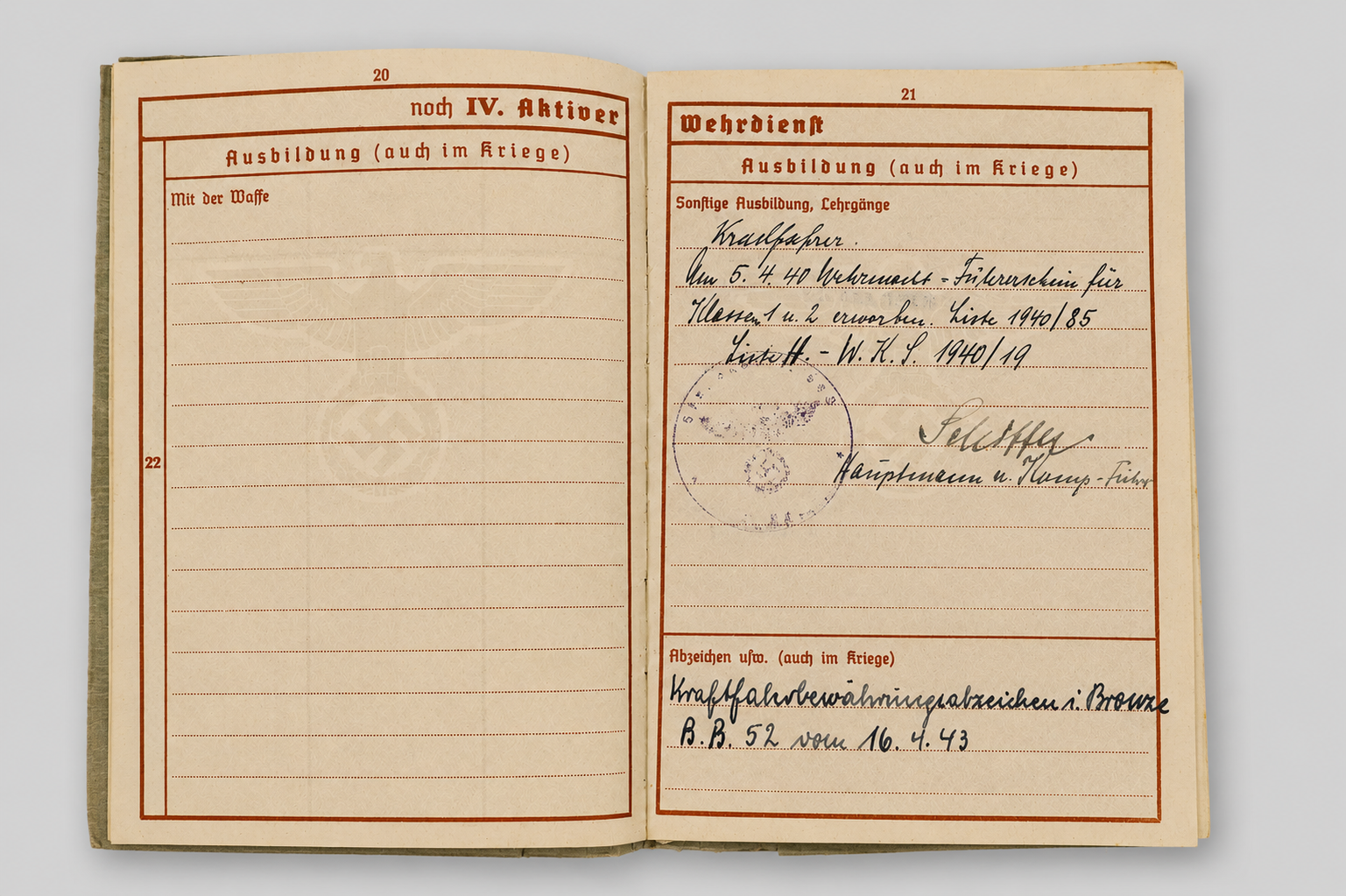
  • Kraftfahrbewährungsabzeichen in Bronze (Driver Proficiency Badge in Bronze) – awarded 16 April 1943

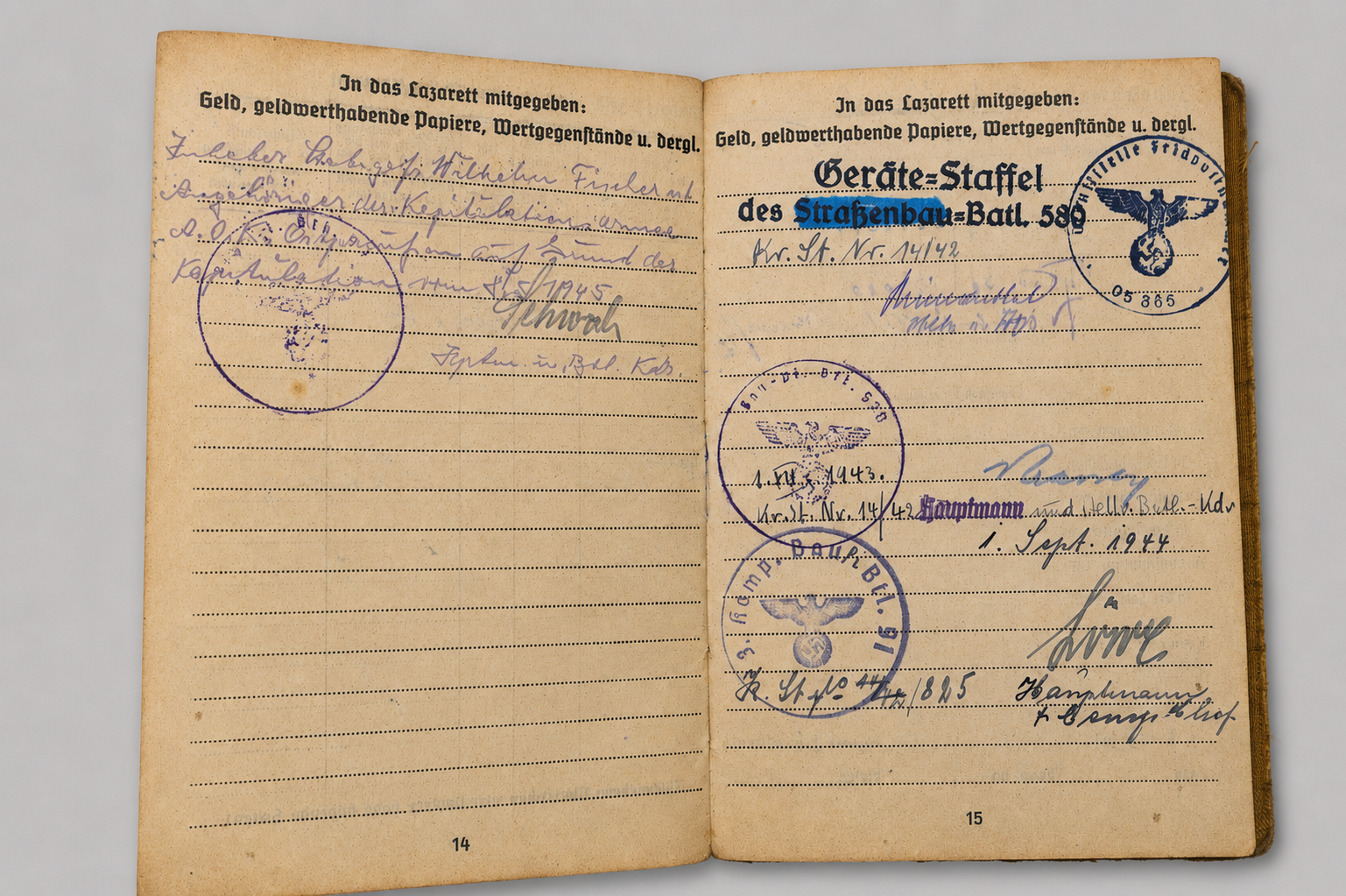
Particularly interesting is a late-war entry on page 14 noting that on 8 May 1945, Fischer belonged to the “Kapitulations-Armee Ostpreußen”, directly connecting the Soldbuch to the final collapse and surrender phase of German forces in East Prussia at the end of the war.

The grouping contains:

  • Original Soldbuch
  • Original Wehrpass
  • Matching Erkennungsmarke / dog tag
  • Military Driver’s License
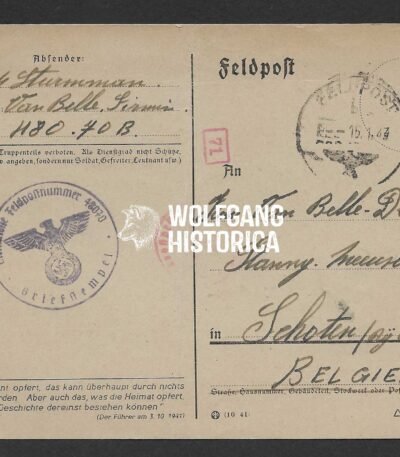
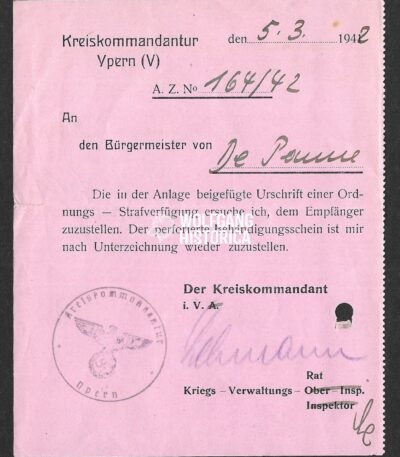
  • Additional paperwork

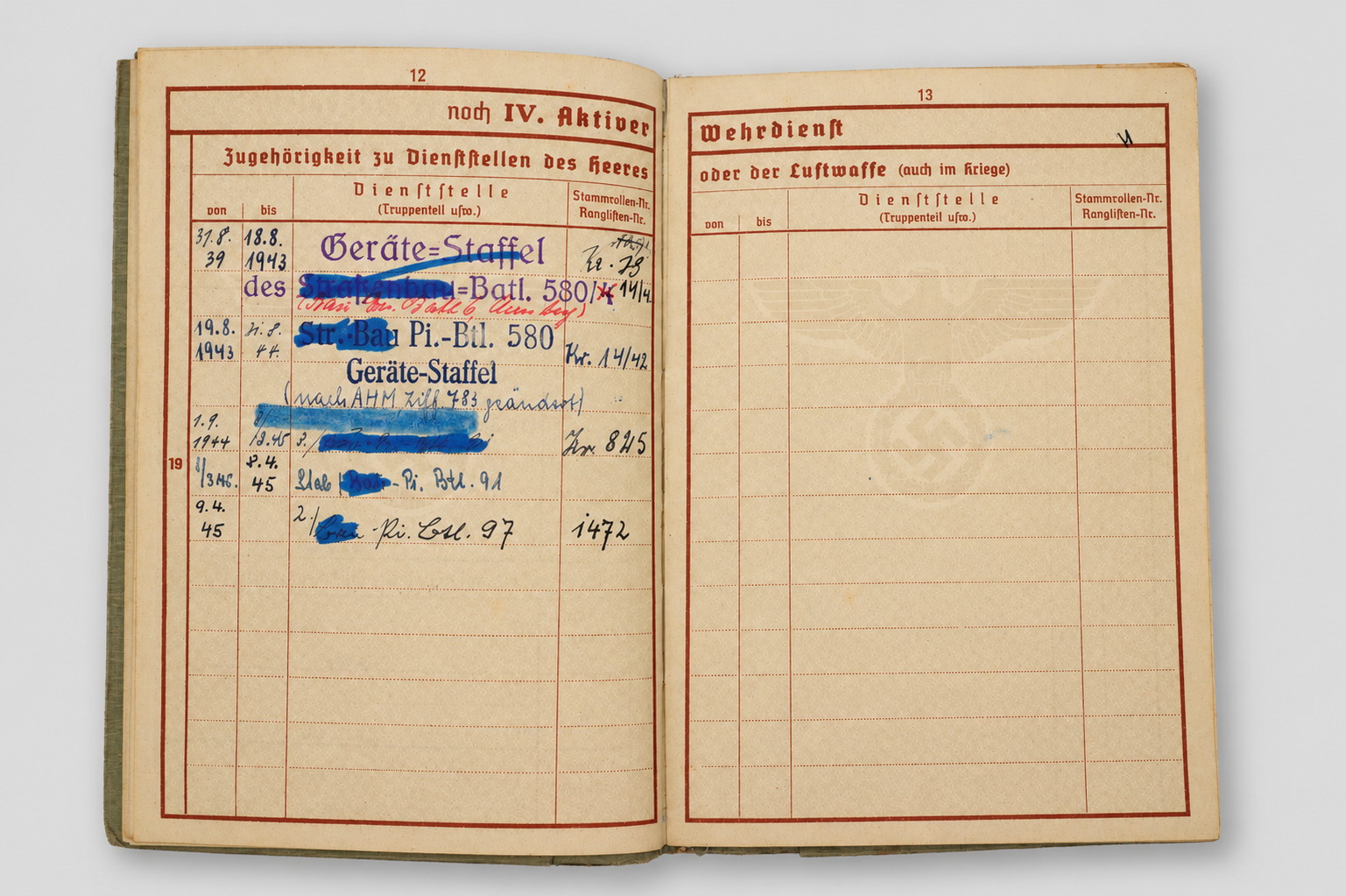
Units recorded include:

  • Geräte-Staffel des Straßenbau-Bataillon 580
  • Straßenbau-Pionier-Bataillon 580
  • Bau-Pionier-Bataillon 91
  • Bau-Pionier-Bataillon 97

The Soldbuch itself remains highly displayable, showing honest wartime wear consistent with field use. A very attractive and complete combat-support related grouping with strong research and historical value. A desirable and authentic WWII German personalization set with excellent display and collector appeal.

250,00

Out of stock

Out of stock

SKU: 95262

Details

Statement

Wolfgang Historica is a trusted seller with years of experience and consistently positive reviews. We are always interested in purchasing collections or unique objects and also offer a professional consignment service. Buy with confidence.

Historical Description

During the Second World War, the German Army relied heavily on specialized Straßenbau-Bataillone (road construction battalions) and Bau-Pionier units to maintain the enormous logistical network required to support military operations across Europe and the Eastern Front.

These engineer and construction formations were responsible for:

  • building and repairing roads,
  • constructing bridges,
  • restoring damaged transport routes,
  • preparing military infrastructure,
  • and ensuring the movement of troops, artillery, fuel, and supply columns.

As German operations expanded deeper into occupied territory—particularly in the Soviet Union—the importance of these units increased dramatically. Harsh terrain, destroyed infrastructure, severe winter conditions, mud seasons (Rasputitsa), and partisan activity made transportation and logistics one of the Wehrmacht’s greatest operational challenges.

Although not primarily front-line combat troops, Bau-Pionier and Straßenbau units often operated close behind advancing or retreating formations and regularly faced enemy artillery fire, air attacks, and difficult field conditions.

The award of the Eisernes Kreuz 2. Klasse (Iron Cross 2nd Class) to Wilhelm Fischer in June 1940 likely relates to service during the Western Campaign, while the Winterschlacht im Osten 1941/42 Medal confirms participation on the Eastern Front during one of the harshest winters of the war.

Particularly notable is the late-war entry recording Fischer’s association with the “Kapitulations-Armee Ostpreußen” on 8 May 1945, directly linking the grouping to the final surrender and collapse of German forces isolated in East Prussia during the closing days of the conflict.

Complete and personalized Wehrmacht groupings such as this—especially those including a Soldbuch, Wehrpass, Erkennungsmarke, wartime documents, and award entries—provide valuable insight into the daily service and wartime experiences of German soldiers who formed the logistical backbone of the Wehrmacht war effort.