

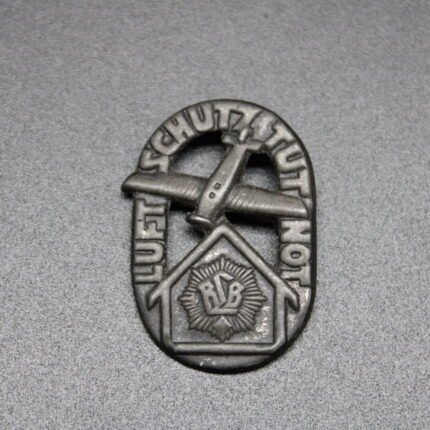
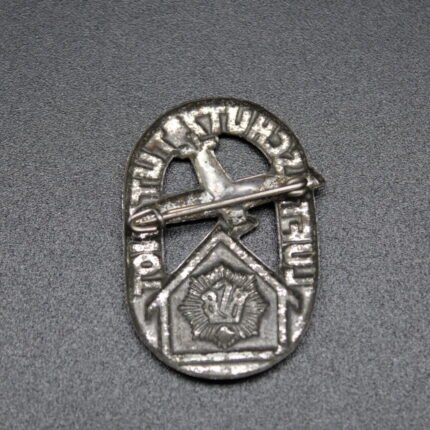
RLB “Luftschutz Tut Not” Pin
€15,00Original Reichsluftschutzbund (RLB) “Luftschutz Tut Not” Pin. Condition as seen.
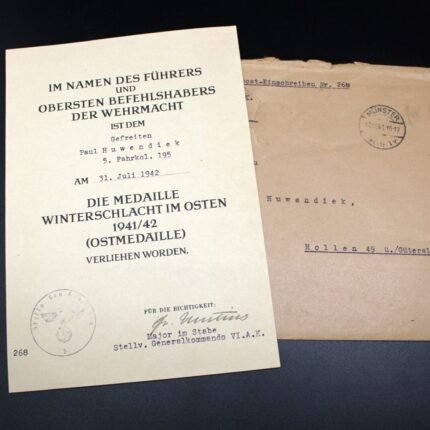
Winterschlacht im Osten Award Doc: Fahrkolonne 5/195 (95. Infanterie-Division)
€0,01Original Award document with enveloppe for the Winterschlacht im Osten 1941/42 (Winter War Medal) of Gefreiter Huwendiek for his service during the harsh winter on July 31, 1942 with Fahrkolonne 5/195 of the 95. Infanterie-Division. Condition as seen.
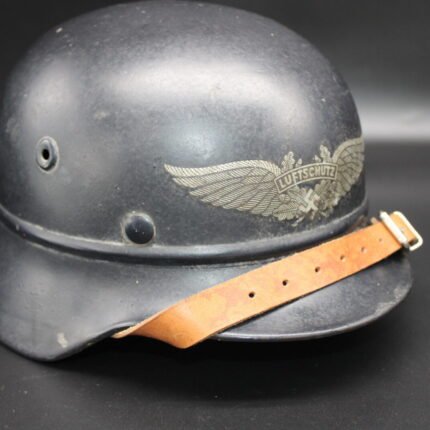
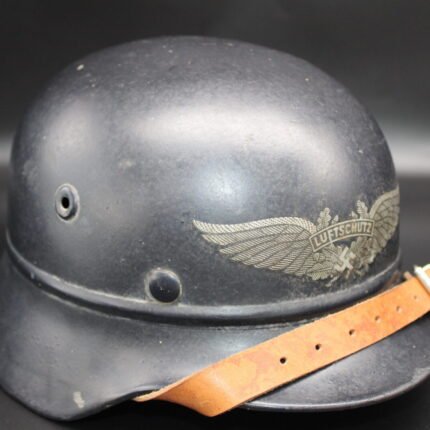
M40 Steel Luftschutz Beaded Helmet Q64
€0,01Original steel (beaded) M40 Luftschutz (air raid protection) Ausschusshelm (Beaded Helmet) with maker mark Q64, size stamp (56) complete with interior and chin strap! Lovely condition!
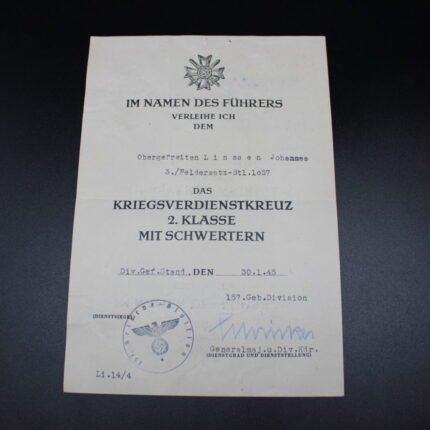
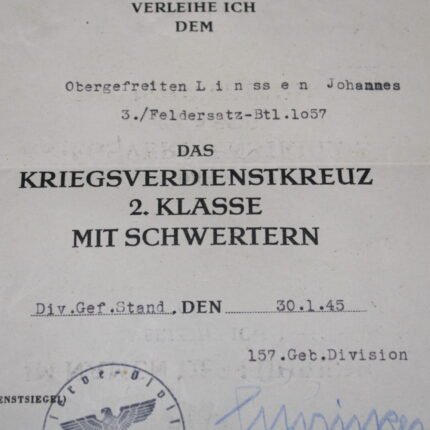
KVK2X Award Doc: Feldersatz-Bataillon 1057 (8. Gebirgs-Division, Italy 1945)
€0,01Original Award document of Obergefreiter Linssen, who served with Feldersatz-Bataillon 1057 of the 157. Gebirgs-Division (later renamed to the 8. Gebirgs-Division), for the Kriegsverdienstkreuz 2. Klasse mit Schwertern (War Merit Cross 2nd Class with Swords) for his service on January 30, 1945. Signed by General Paul Schricker. Document was folded in the past. Condition as seen.
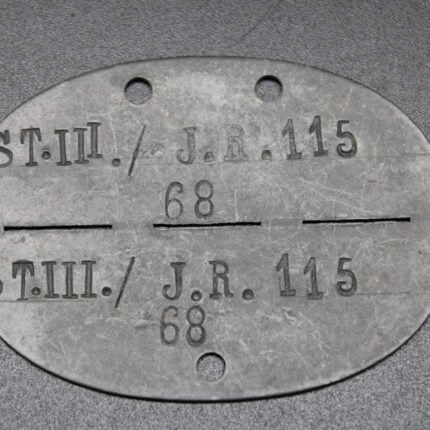
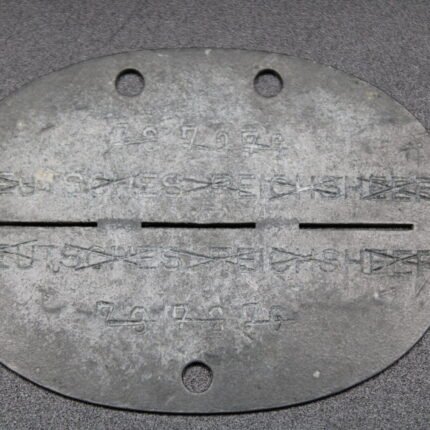
Erkennungsmarke – Infanterie-Regiment 115
€0,01Original Erkennungsmarke “St.III./J.R.115” (low number 68) which stands for Stab III. Bataillon/ Infanterie-Regiment 115. Interestingly, reused Deutsches Reichsheer EKM! Condition as seen.
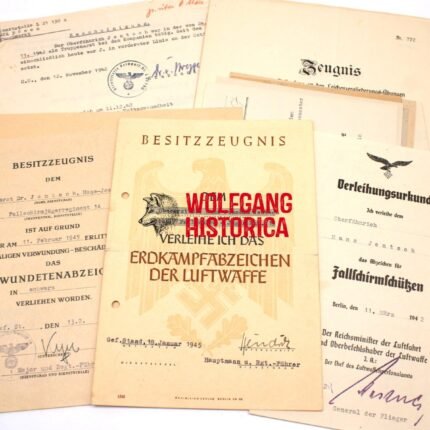
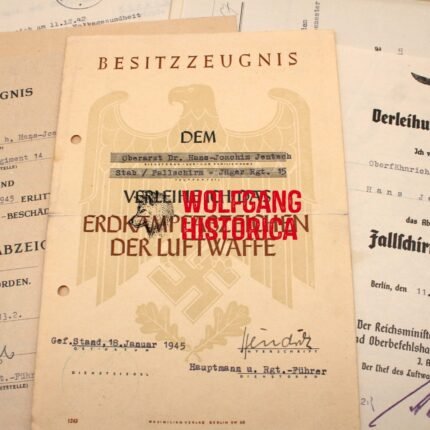
3x Award Doc Set: Fallschirmjäger Doctor in FJ-Rgt. 14 & 15 (Ardennes, Germany 1944-1945!)
€0,01Original award document set of Fallschirmjäger (Paratrooper) Doctor Oberarzt Dr. Jentsch. Interesting Westfront 1944-45 set! The Erdkampfabzeichen was most likely awarded for actions during the Battle for the Bulge – Ardennes! He served with the Fallschirmjäger-Regiment 14 & 15 of the 5. Fallschirm-Division.
The set contains:
- Award document for the Erdkampfabzeichen der Luftwaffe (Luftwaffe Ground Assault Badge) on January 18, 1945. Beautiful award document variant!
- Award document for the Fallschirmschützenabzeichen (Paratrooper Badge) for completing his jump training on March 11, 1942.
- Award document for the Verwundetenabzeichen in Schwarz (Wound Badge in Black) for his first wound suffered on February 11, 1945.
- Many other paper documents
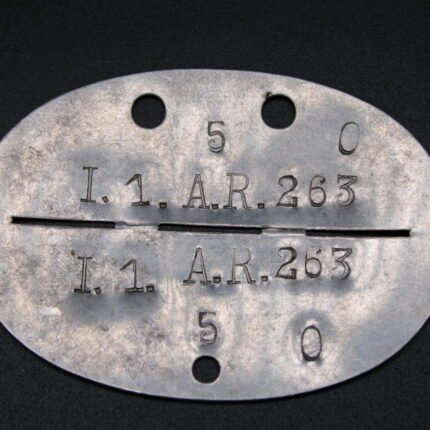
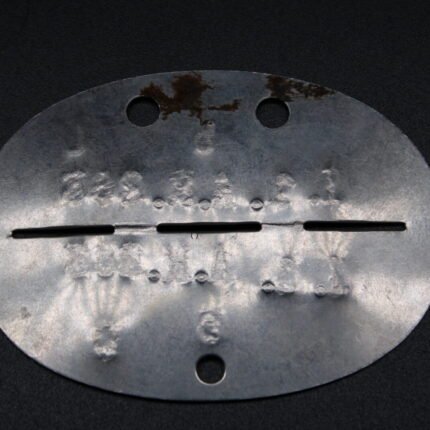
Erkennungsmarke – Artillerie-Regiment 263
€45,00Original Erkennungsmarke “I.1.A.R.263” (low number 5) which stands for 1. Batterie/ Artillerie-Regiment 263 (I. stands for the I. Abteilung, to which the 1. Batterie belonged). Artillerie-Regiment 263 belonged to the 263. Infanterie-Division. Condition as seen.

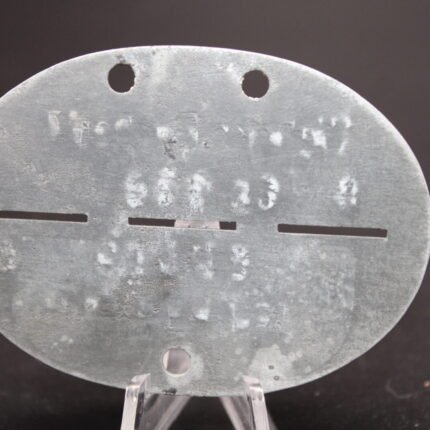
Erkennungsmarke – Wehrkreis-Ersatz-Depot VI (Münster)
€40,00Original Erkennungsmarke “Wehrkr.Ers.Dep.VI” which stands for Wehrkreis-Ersatz-Depot VI, which was located in Münster. Condition as seen
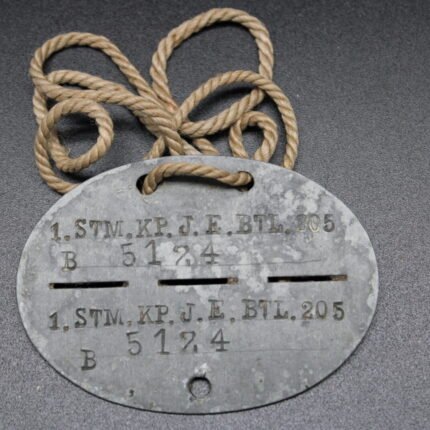
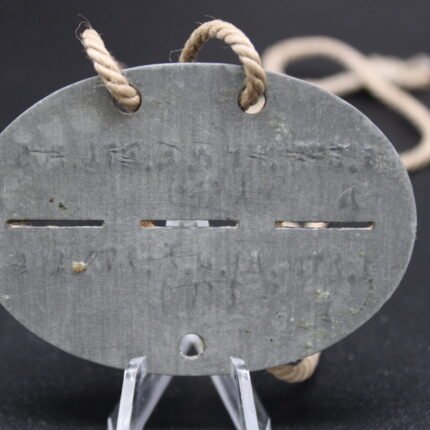
Erkennungsmarke – Infanterie-Ersatz-Bataillon 205
€0,01Original Erkennungsmarke “1.Stm.Kp.J.E.Btl.205” which stands for 1. Stammkompanie/ Infanterie-Ersatz-Bataillon 205. Steel. Condition as seen.
“Am 1. Oktober 1942 wurde das Bataillon in Frankfurt in ein Infanterie-Ersatz-Bataillon 205 und ein Reserve-Infanterie-Bataillon 205 geteilt. Nach der Teilung unterstand das Ersatz-Bataillon der Division 409. Das Reserve-Bataillon unterstand nach der Aufstellung der 159. Reserve-Division und wurde nach Frankreich verlegt. Die beiden Bataillone wurden am 7. November 1942 zum Grenadier-Ersatz-Bataillon 205 bzw. Reserve-Grenadier-Bataillon 205 umbenannt. Im Dezember 1943 befand sich das Ersatz-Bataillon in Butzbach und das Reserve-Bataillon in St. Etienne. Nach Kämpfen bei Belfort, wurde das Reserve-Bataillon im Oktober 1944 zum I. Bataillon vom Grenadier-Regiment 1210 der 159. Infanterie-Division umbenannt.”


Erkennungsmarke – Luftflottenkommando 4 (Bombing of Stalingrad!)
€0,01Original Erkennungsmarke “Stab/ Luftflotten.Kdo.4” which stands for Stab/Luftflottenkommando 4. Most interestingly, Luftflotte 4 was responsible for the bombing of Stalingrad! Condition as seen.
“Luftflotte 4 (Air Fleet 4) was one of the primary divisions of the German Luftwaffe in World War II. It was formed on 18 March 1939, from Luftwaffenkommando Österreich in Vienna. The Luftflotte was redesignated on 21 April 1945, to Luftwaffenkommando 4, and became subordinated to Luftflotte 6. It was the Luftflotte 4, that was responsible for the bombing campaign of Stalingrad, where ca. 40,000 civilians died. This Luftwaffe detachment was based in Romania, Bulgaria, Southeast Poland, Hungary, Ukraine and Russian occupied territories, for supporting Axis forces; with command offices in Morczyn, Hungary, during 26 June 1944, Eastern Front.” (Source: Wikipedia)
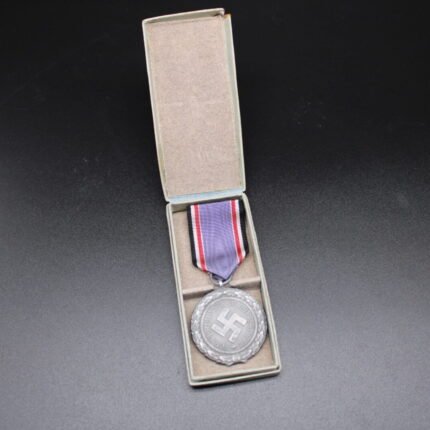
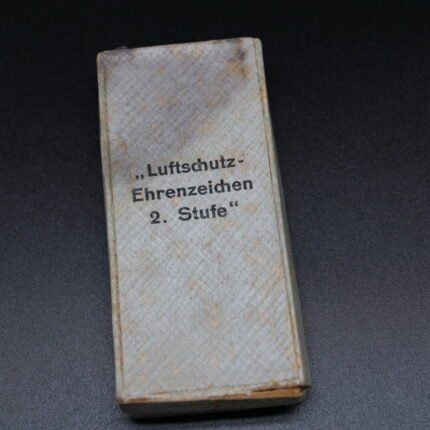
Luftschutz-Ehrenzeichen 2. Klasse (Cased)
€0,01Original Luftschutz-Ehrenzeichen 2. Klasse with case in good condition. Unmarked, light aluminium. Case has a stain but overall good condition. Condition as seen.
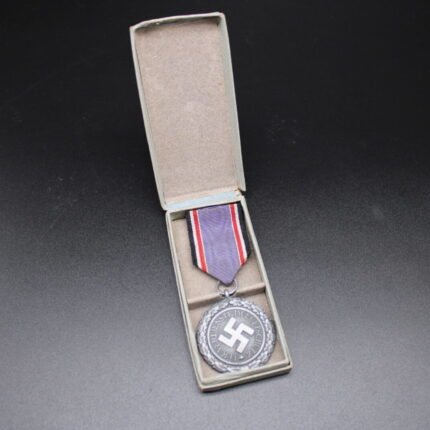
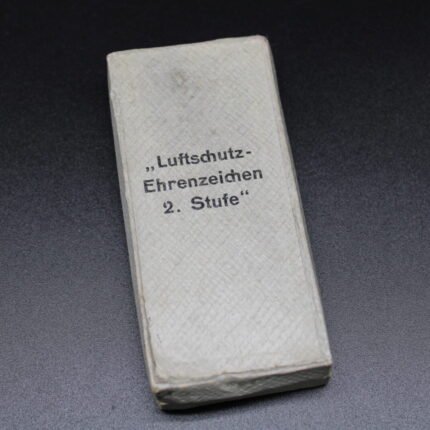
Luftschutz-Ehrenzeichen 2. Klasse (Cased)
€0,01Original Luftschutz-Ehrenzeichen 2. Klasse with case in top condition! Unmarked, light aluminium. Condition as seen.

Georg Diers – schwere SS-Panzer-Abteilung 503 (Battle of Berlin, King Tiger!)
€0,01Original Scarce Postwar Signature on a Postwar Photo of Georg Diers. SS-Unterscharführer Georg Diers served with the schwere SS-Panzer-Abteilung 503 during the Battle of Berlin as commander of a Königstiger (King Tiger). Good condition. Postcardsize.
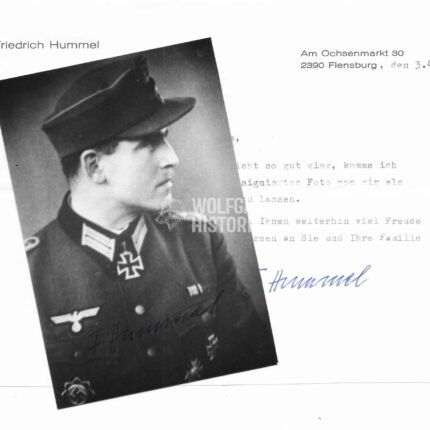
Friedrich Hummel – Secret Operations (!) (Brandenburger, Agent, Frogman …)
€0,01Original Scarce Postwar Signature on a Postwar Photo & Letter of Friedrich Hummel. Hauptmann Friedrich Hummel (08.02.1910 † 10.07.1993) earned the Ritterkreuz des Eisernen Kreuzes on October 19, 1944 as Hauptmann und Kommandeur of Jagdverband Leitstelle West (Frontaufklärungsverband II West).
Friedrich Hummel was a former Brandenburger, Defense II agent, sea fighter, lieutenant captain of the small combat units (K-units) of the Navy and commander of Lehrkommando 700. The intelligence officer was the head of numerous special units and the leading practitioner of ship sabotage in the German Wehrmacht. In the last months of the war, Major Hummel was the operational planner of the SS combat swimmers with the simultaneous rank of SS Hauptsturmfuhrer of the Waffen SS. (Read more on Friedrich Hummel (Metapedia))
Provenance: This signature comes from one of the largest postwar signature collection I’ve ever commissioned. This collection was started by a Waffen-SS Veteran, Werner H., in the 1950’s until he passed away.
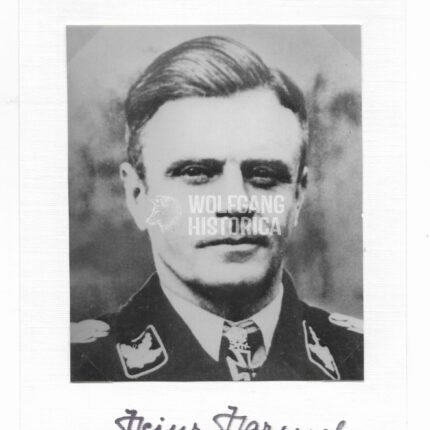
Heinz Harmel – “Deutschland” & “Frundsberg” (Schwertern) (Normandy, Nijmegen)
€50,00Original Postwar Signature on a Postwar Card (Photo added) of Heinz Harmel. SS-Standartenführer Heinz Harmel (29.06.1906 † 02.09.2000) earned the Ritterkreuz on March 31, 1943 as SS-Obersturmbannführer und Kommandeur of the SS-Panzergrenadier-Regiment 3 “Deutschland”, the Eichenlaub on September 7, 1943 as SS-Standartenführer und Kommandeur of the SS-Panzergrenadier-Regiment 3 “Deutschland” of the 2. SS-Panzer-Division “Das Reich” and Schwertern on December 15, 1944 as SS-Brigadeführer und Generalmajor der Waffen-SS und Kommandeur of the 10. SS-Panzer-Division “Frundsberg”.
Read more about Heinz Harmel (Wikipedia).
Provenance: This signature comes from one of the largest postwar signature collection I’ve ever commissioned. This collection was started by a Waffen-SS Veteran, Werner H., in the 1950’s until he passed away.

Karl-August Petersen – Kampfgeschwader 27 “Boelcke”
€0,01Original Postwar Signature on a Postwar Photo of Karl-August Petersen. Major Karl-August Petersen (26.05.1912 in Neukirchen † 23.11.1980 in Bodenteich) earned the Deutsches Kreuz in Gold on November 15, 1943 as Major und Kommandeur of the II. Gruppe/ Kampfgeschwader 27 “Boelcke” and the Ritterkreuz des Eisernen Kreuzes on March 7, 1942 as Hauptmann und Staffelkapitän of the 9. Staffel/ Kampfgeschwader 27 “Boelcke”.
Provenance: This signature comes from one of the largest postwar signature collection I’ve ever commissioned. This collection was started by a Waffen-SS Veteran, Werner H., in the 1950’s until he passed away.
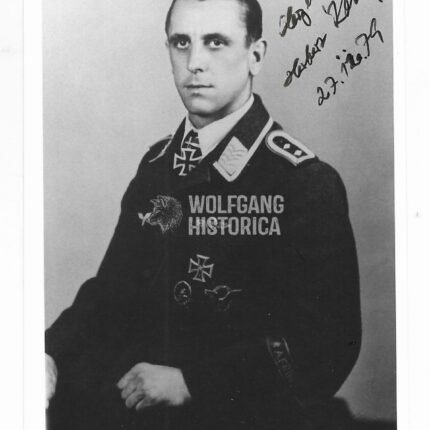
Herbert König – Transportgeschwader 1
€0,01Original Postwar Signature on a Postwar Photo of Herbert König. Oberfeldwebel Herbert König (17.08.1913 in Hamburg † 29.05.1983 in Kaiserslautern) earned the Deutsches Kreuz in Gold on January 31, 1942 as Feldwebel with the 12. Staffel/ Kampfgeschwader z.b.V. 1 and the Ritterkreuz des Eisernen Kreuzes on June 9, 1944 as Oberfeldwebel und Flugzeugführer in the 12. Staffel/ Transportgeschwader 1.
Provenance: This signature comes from one of the largest postwar signature collection I’ve ever commissioned. This collection was started by a Waffen-SS Veteran, Werner H., in the 1950’s until he passed away.
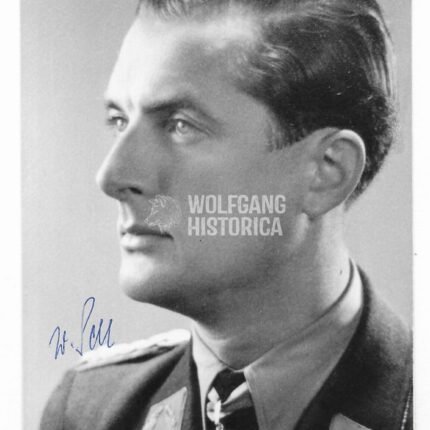
Wilhelm Sell – Nahaufklärungsgruppe 5
€20,00Original Postwar Signature on a Postwar Photo of Wilhelm Sell. Major Wilhelm Sell (15.06.1910 in Schweinfurt † 14.01.1998 in München) earned the Deutsches Kreuz in Gold on December 3, 1942 as Hauptmann und Staka with the 1. (H) Staffel/ Aufklärungsgruppe 10 and the Ritterkreuz des Eisernen Kreuzes on September 5, 1944 as Major und Kommandeur of the Nahaufklärungsgruppe 5.
Provenance: This signature comes from one of the largest postwar signature collection I’ve ever commissioned. This collection was started by a Waffen-SS Veteran, Werner H., in the 1950’s until he passed away.


Alexander Gläser – Schlachtgeschwader 77 “Immelmann” (Eichenlaub)
€27,50Original Postwar Signature on a Postwar Photo of Alexander Gläser. Hauptmann Alexander Gläser (04.01.1914 in Büdingen † 13.09.2003 in Büdingen) earned the Deutsches Kreuz in Gold on May 18, 1942 as Oberleutnant with the 3. Staffel/ Sturzkampfgeschwader 77, the Ritterkreuz des Eisernen Kreuzes on February 19, 1943 as Oberleutnant und Staffelkapitän of the 4. Staffel/ Sturzkampfgeschwader 77 and the Eichenlaub on March 28, 1945 as Hauptmann und Gruppenkommandeur of the II. Gruppe/ Schlachtgeschwader 77 “Immelmann”. Size: 11,2×7,2cm.
Provenance: This signature comes from one of the largest postwar signature collection I’ve ever commissioned. This collection was started by a Waffen-SS Veteran, Werner H., in the 1950’s until he passed away.


Dr. Karl Mauss – 7. Panzer-Division (Brillanten!)
€0,01Original Postwar Signature on a Card of Dr. Karl Mauss. Generalleutnant Dr. Karl Mauss (17.05.1898 in Plön † 09.02.1959 in Hamburg) earned the Ritterkreuz des Eisernen Kreuzes on November 26, 1941 as Oberstleutnant und Kommandeur of the II. Bataillon/ Schützen-Regiment 69 of the 10. Panzer-Division, the Eichenlaub on November 24, 1943 as Oberst und Kommandeur of the Panzergrenadier-Regiment 33 of the 4. Panzer-Division, the Schwertern on October 23, 1944 as Generalmajor und Kommandeur of the 7. Panzer-Division and the Brillanten on April 15, 1945 as Generalleutnant und Kommandeur of the 7. Panzer-Division.
Provenance: This signature comes from one of the largest postwar signature collection I’ve ever commissioned. This collection was started by a Waffen-SS Veteran, Werner H., in the 1950’s until he passed away.
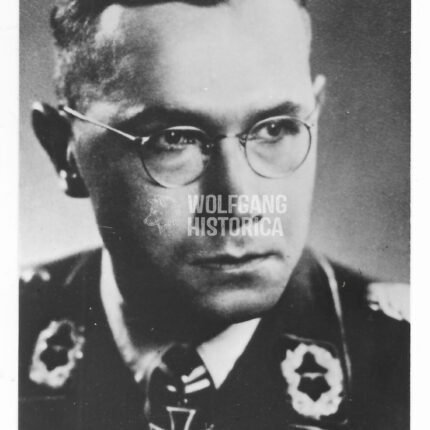
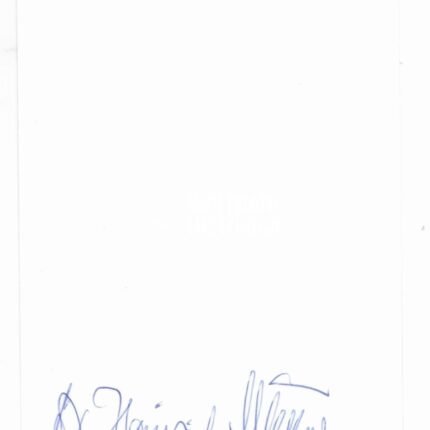
Dr.med. Heinrich Neumann – Luftlande-Sturm-Regiment 1 (Kreta)
€40,00Original Postwar Signature on a Postwar Photo of Dr.med. Heinrich Neumann. Oberstabsarzt Dr.med. Heinrich Neumann (17.02.1908 † 19.05.2005) earned the Ritterkreuz des Eisernen Kreuzes on August 21, 1941 as Oberstabsarzt und Regimentsarzt of Luftlande-Sturm-Regiment 1.
Awarded for his actions during the Battle of Crete. As all the officers of the I./Fallschirmjäger-Sturm-Regiment 1 had fallen, Neumann took over the leadership of the rest of the Bataillon. Oberleutnant Trebes, commanding the remnants of the Stoßgruppe Braun, also attached himself to Neumann’s group. Acting on his own initiative, Dr. Neumann decided to capture the NW part of Hill 107 and eliminate the Allied AA guns there that commanded the Maleme airfield. In this he was successful, with this action being the turning point of the whole battle. After returning to his nominal duties, he was then ordered by the newly arrived Oberst Ramcke to take over the Bataillon once again. Thus, on the morning of 22.05.1941, Neumann divided the Bataillon into 2 Kompanien. The next day Neumann and his men took the role of Vorausabteilung, and advanced ahead of the left wing of the II. Bataillon towards the east. At 17:00 he reached the village of Modea. The next day, while on the hill south of Platania, the Bataillon halted as the attack had been postponed. Finally, on the 24.05.1941, Oberleutnant Stolz took over the leadership of the Bataillon and Neumann could finally return to looking after the many wounded for good. In this capacity he also distinguished himself outstandingly.
Provenance: This signature comes from one of the largest postwar signature collection I’ve ever commissioned. This collection was started by a Waffen-SS Veteran, Werner H., in the 1950’s until he passed away.
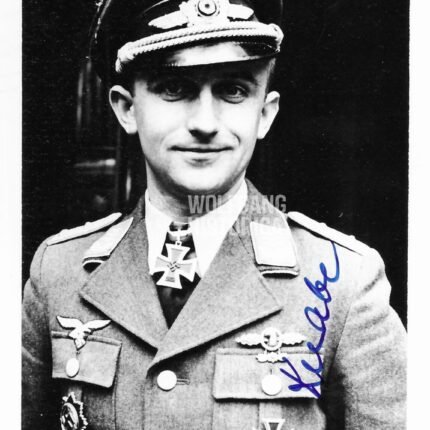
Konrad Knabe – Fernaufklärungsstaffel Lappland
€0,01Original Postwar Signature on a Postwar Photo of Konrad Knabe. Hauptmann Konrad Knabe (18.09.1915 in Weißenfels † 27.03.1996 in Memmingen) earned the Deutsches Kreuz in Gold on December 23, 1941 as Oberleutnant in the 1. Staffel/ 32 F-Kette and the Ritterkreuz des Eisernen Kreuzes on April 16, 1943 as Hauptmann und Kettenführer of the Fernaufklärungsstaffel Lappland/ Aufklärungsgruppe 124.
Provenance: This signature comes from one of the largest postwar signature collection I’ve ever commissioned. This collection was started by a Waffen-SS Veteran, Werner H., in the 1950’s until he passed away.

Günter Kempin – Kampfgeschwader 27 “Boelcke”
€25,00Original Postwar Signature on a Postwar Photo of Günter Kempin. Feldwebel Günter Kempin (02.12.1920 † 12.08.1998) earned the Deutsches Kreuz in Gold on June 17, 1943 as Unteroffizier in the 1. Staffel/ Kampfgeschwader 27 “Boelcke” and the Ritterkreuz on April 17, 1945 as Feldwebel und Flugzeugführer in the 14. Staffel/ Kampfgeschwader 27 “Boelcke”.
Provenance: This signature comes from one of the largest postwar signature collection I’ve ever commissioned. This collection was started by a Waffen-SS Veteran, Werner H., in the 1950’s until he passed away.
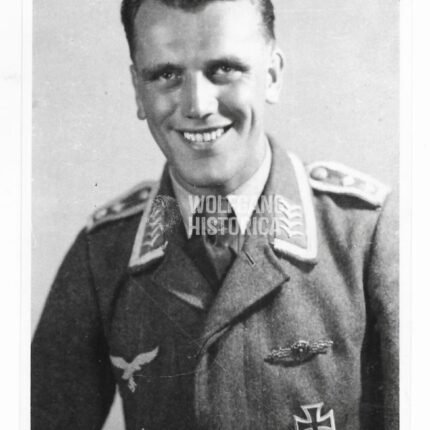
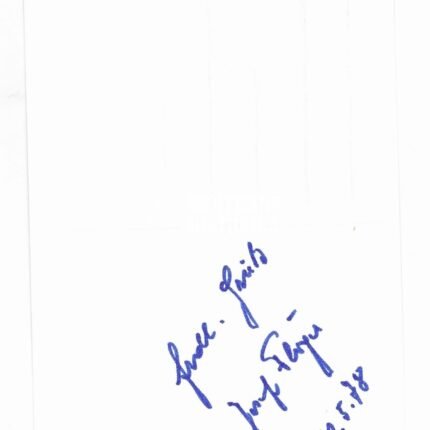
Josef Flögel – Nachtschlachtgruppe 5
€0,01Original Postwar Signature on a Postwar Photo of Josef Flögel. Oberfeldwebel Josef Flögel (19.10.1919 † 24.01.1997) earned the Deutsches Kreuz in Gold on February 5, 1944 as Feldwebel in the 2. Staffel/ Nachtschlachtgruppe 6 and the Ritterkreuz on February 19, 1945 as Oberfeldwebel und Flugzeugführer of the 2. Staffel/ Nachtschlachtgruppe 5.
Knight’s Cross: Awarded for flying into the Budapest pocket with an Fi 156 Storch as a courier pilot on the 20.01.1945.
Provenance: This signature comes from one of the largest postwar signature collection I’ve ever commissioned. This collection was started by a Waffen-SS Veteran, Werner H., in the 1950’s until he passed away.
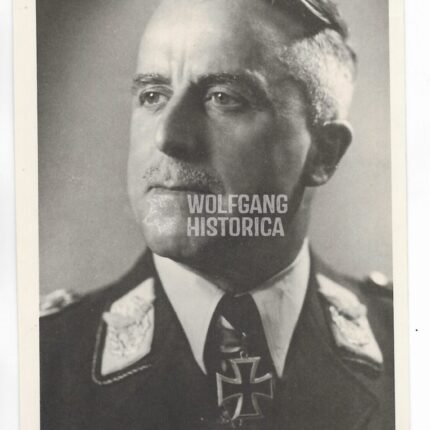
Alfred Keller – IV. Fliegerkorps (Pour le Merite)
€0,01Original Postwar Signature on a Postwar Photo of Alfred Keller. Generaloberst der Luftwaffe Alfred Keller (19.09.1882 † 11.02.1974) earned the Ritterkreuz des Eisernen Kreuzes on June 24, 1940 as General der Flieger u. Kommandierender General of the IV. Fliegerkorps. He also earned the Pour lé Merite during the First World War.
Provenance: This signature comes from one of the largest postwar signature collection I’ve ever commissioned. This collection was started by a Waffen-SS Veteran, Werner H., in the 1950’s until he passed away.
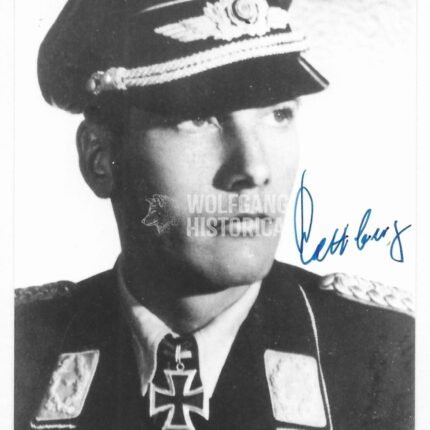
Ralph von Rettberg – Zerstörergeschwader 26 “Horst Wessel”
€0,01Original Postwar Signature on a Postwar Photo of Ralph von Rettberg. Oberst Ralph von Rettberg (01.03.1911 † 25.02.2004) earned the Deutsches Kreuz in Gold on October 7, 1942 and the Ritterkreuz on June 14, 1941 as Hauptmann und Kommodore of the II. Gruppe/ Zerstörergeschwader 26 “Horst Wessel”. Good condition.
Provenance: This signature comes from one of the largest postwar signature collection I’ve ever commissioned. This collection was started by a Waffen-SS Veteran, Werner H., in the 1950’s until he passed away.
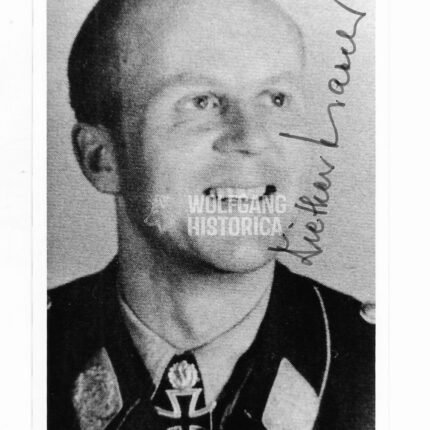
Dietrich Hrabak – Jagdgeschwader 52 & 54 (Eichenlaub, 125 Victories!)
€45,00Original Postwar Signature on a Postwar Photo of Dietrich “Dieter” Hrabak. Oberst Dietrich Hrabak (19.12.1915 † 15.09.1995) earned the Ritterkreuz on October 21, 1940 as Hauptmann und Kommandeur of the II. Gruppe/ Jagdgeschwader 54 “Grünherz” (after 16 earial victories), the Eichenlaub on November 25, 1943 as Oberstleutnant und Kommodore of the Jagdgeschwader 52.
Dietrich Hraback achieved 125 victories in over 1000 operational flights. Read more on Dietrich Hrabak (Wikipedia)
Provenance: This signature comes from one of the largest postwar signature collection I’ve ever commissioned. This collection was started by a Waffen-SS Veteran, Werner H., in the 1950’s until he passed away.
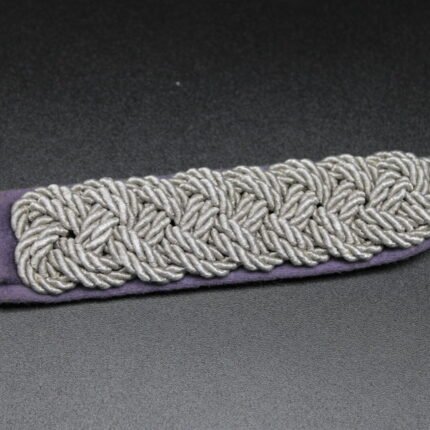
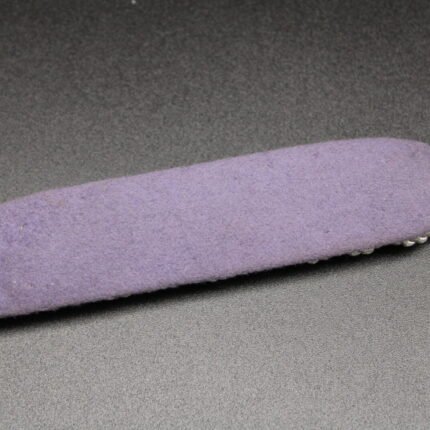
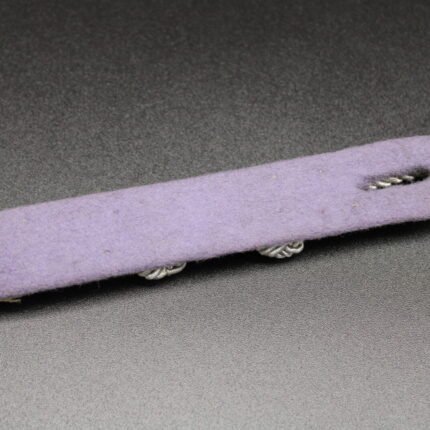
Reichsluftschutzbund (RLB) Shoulderboard for a Gruppenführer
€0,01Original Reichsluftschutzbund (RLB) Luftschutz shoulder board for an “Gruppenführer“. The Reichsluftschutzbund only wore one shoulderboard on their uniform, so there’s no need to search for a pair. Top condition.
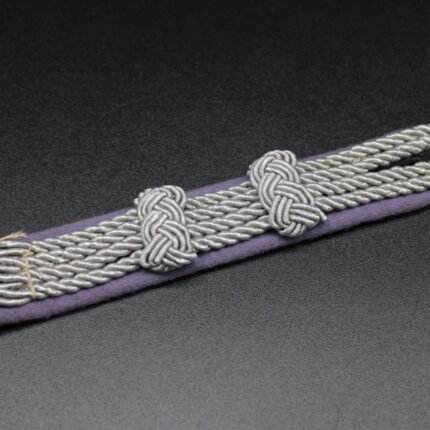
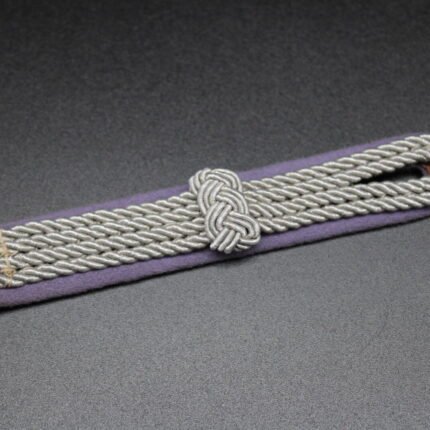
Reichsluftschutzbund (RLB) Shoulderboard for a Hauptführer
€0,01Original Reichsluftschutzbund (RLB) Luftschutz shoulder board for an “Hauptführer“. The Reichsluftschutzbund only wore one shoulderboard on their uniform, so there’s no need to search for a pair. Top condition.
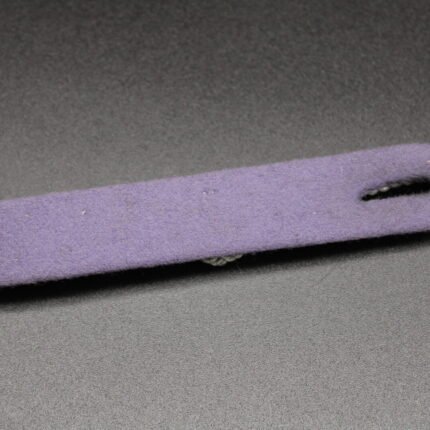
Reichsluftschutzbund (RLB) Shoulderboard for an Oberführer
€0,01Original Reichsluftschutzbund (RLB) Luftschutz shoulder board for an “Oberführer“. The Reichsluftschutzbund only wore one shoulderboard on their uniform, so there’s no need to search for a pair. Top condition.

Photo of a KIA German Soldier of the Wehrmacht
€0,01Original photograph of a Killed in Action German Wehrmacht soldier! These are rare photographs as it was forbidden to photograph own KIA soldiers! Size: 5,1×6,5cm.
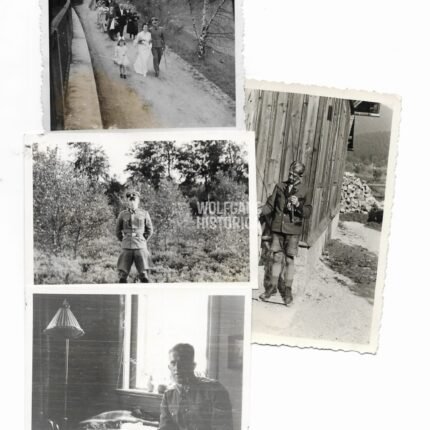
Small lot of Waffen-SS Officer
€15,00Small lot of 4x photographs of a Waffen-SS officer. Condition as seen.
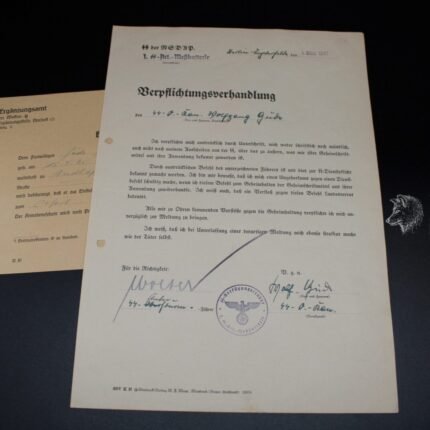
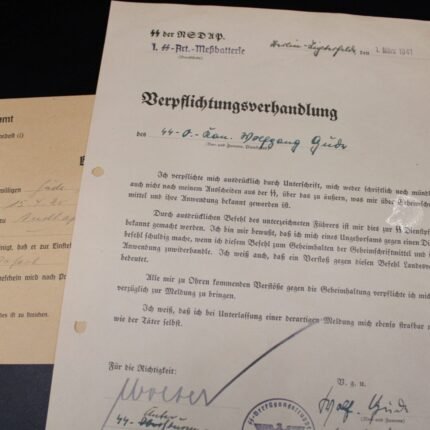
Verpflichtungsverhandlung & Bescheinigung for the LSSAH
€0,01Original Verpflichtungsverhandlung & Bescheinigung for a recruit joining the “Leibstandarte-SS Adolf Hitler”. The Verpflichtungsverhandling is signed by Obersturmführer Hans Wolter.
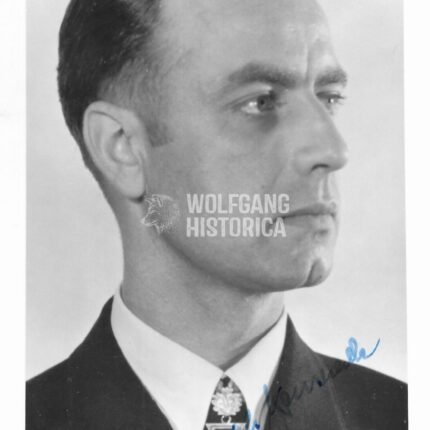
Friedrich Kemnade – 3. Schnellbootsflottille (Eichenlaub)
€40,00Original Postwar Signature on a Postwar Photo of Friedrich Kemnade. Korvettenkapitän Friedrich Kemnade (06.03.1915 † 25.03.1990) earned the Ritterkreuz des Eisernen Kreuzes on July 23, 1942 as Kapitänleutnant und Chef and the Eichenlaub on May 27, 1943 as Korvettenkapitän und Chef of of the 3. Schnellbootsflottille.
Provenance: This signature comes from one of the largest postwar signature collection I’ve ever commissioned. This collection was started by a Waffen-SS Veteran, Werner H., in the 1950’s until he passed away.
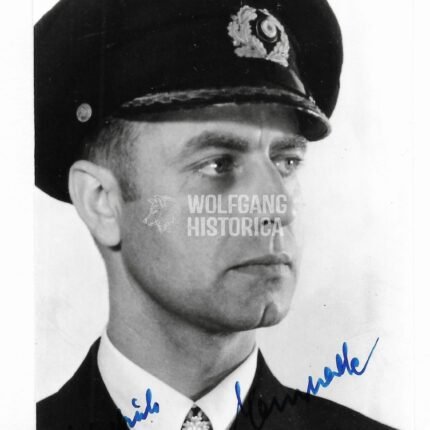
Friedrich Kemnade – 3. Schnellbootsflottille (Eichenlaub)
€40,00Original Postwar Signature on a Postwar Photo of Friedrich Kemnade. Korvettenkapitän Friedrich Kemnade (06.03.1915 † 25.03.1990) earned the Ritterkreuz des Eisernen Kreuzes on July 23, 1942 as Kapitänleutnant und Chef and the Eichenlaub on May 27, 1943 as Korvettenkapitän und Chef of of the 3. Schnellbootsflottille.
Provenance: This signature comes from one of the largest postwar signature collection I’ve ever commissioned. This collection was started by a Waffen-SS Veteran, Werner H., in the 1950’s until he passed away.
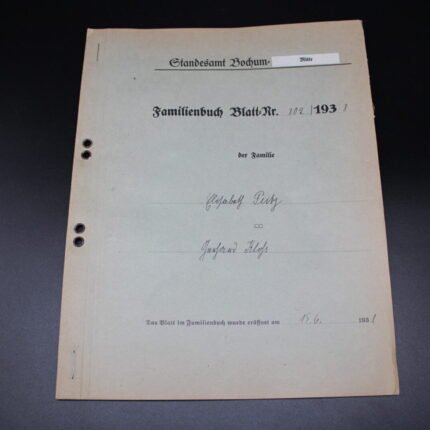
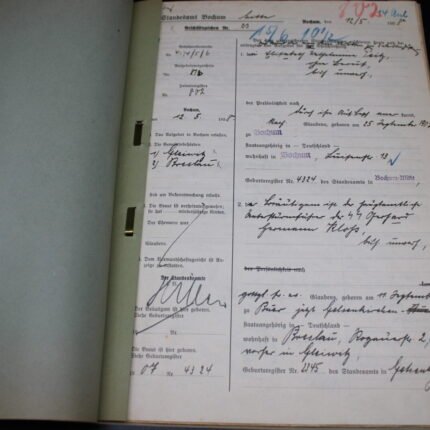
Familienbuch Standesamt Bochum-Mitte of SS-Untersturmführer Kloß
€0,01Original Familienbuch of the Standesamt Bochum-Mitte for an Allgemeine-SS member: SS-Untersturmführer Gerhard Kloß, SS-Nr. 61080 – SS-Einheit Stab 23. SS-Standarte.
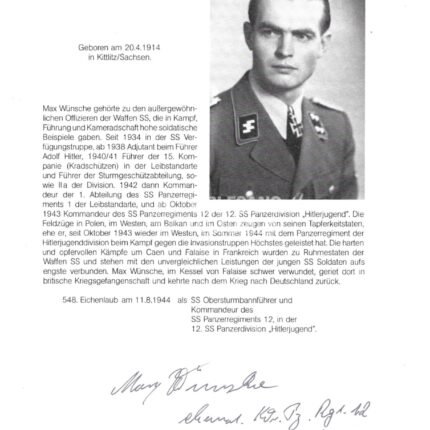
Max Wünsche – SS-Panzer-Regiment 1 “LSSAH” & 12 “Hitlerjugend” (Eichenlaub)
€0,01Original Postwar Signature on a Postwar Paper of Max Wünsche. SS-Standartenführer Max Wünsche (20.04.1914 † 17.04.1995) earned the Ritterkreuz on February 28, 1943 as SS-Obersturmbannführer und Kommandeur of the Stab der I./ SS-Panzer-Regiment 1 of the 1. SS-Panzer-Division “LSSAH” and the Eichenlaub on August 11, 1944 as SS-Obersturmbannführer und Komanndeur of the SS-Panzer-Regiment 12 of the 12. SS-Panzer-Division “Hitlerjugend”. Size: 16×23,3cm.
Max Wünsche was born on 20 April 1914 in Kittlitz. In July 1933 Wünsche joined the SS. In 1935, he graduated from SS-Junkerschule at Bad Tölz and was promoted to Untersturmführer. Wünsche was then posted to the Leibstandarte SS Adolf Hitler (LSSAH) as a platoon leader. In October 1938, Wünsche was assigned as an orderly officer for Hitler. In that role, Wünsche joined the Führerbegleitkommando (the SS bodyguard unit), which provided personal security for Hitler. In January 1940 he was again posted to the LSSAH, as a platoon commander in a motorcycle company under the command of Kurt Meyer, for the invasion of the Netherlands and the Battle of France. In December 1940 he became an adjutant to Sepp Dietrich during the invasion of the Balkans (Operation Marita) and the invasion of the Soviet Union (Operation Barbarossa). In February 1942 Wünsche was given the command of the LSSAH Sturmgeschütz (assault gun) battalion. In 1942 Wünsche completed the General Staff training course at the Staff College in Germany and was promoted to Sturmbannführer. In September 1942 he was posted to the LSSAH and resumed command of the Sturmgeschütz battalion; in October he assumed command of a battalion in a panzer regiment of LSSAH. His battalion’s first action was at Kharkov in 1943. On 25 February 1943 Wünsche’s battalion went into action against a defensive position manned by the Soviet 350th Rifle Division. Supported by artillery and a company of SS grenadiers, Wünsche’s battalion attacked and overran the Soviet front lines. Wünsche’s assault would lead to the destruction of 47 artillery pieces and anti-tank guns. For his actions during the battles for Kharkov, Wünsche was awarded the German Cross in Gold and later the Knight’s Cross, both in February 1943. In June 1943, Wünsche was transferred to a new division forming in France, 12th SS Panzer Division Hitlerjugend, to take command of the 12th SS Panzer Regiment. On 6 June 1944, the Allies landed in Normandy (Operation Overlord) and the division was committed to action on 7 June. The division was later trapped in the Falaise pocket, where on the night of 20 August, Wünsche escaped on foot. He was wounded and taken prisoner by British soldiers. Wünsche spent the rest of the war as a prisoner of war in camp 165 at Caithness, Scotland, a special camp for high-ranking German officers. In 1948 Wünsche was released and returned to Germany. He died in 1995.
Read more on Max Wünsche (Wikipedia)
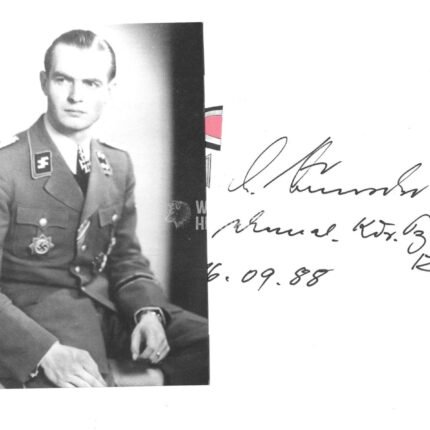
Max Wünsche – SS-Panzer-Regiment 1 “LSSAH” & 12 “Hitlerjugend” (Eichenlaub)
€0,01Original Postwar Signature on a Postwar Card of Max Wünsche. SS-Standartenführer Max Wünsche (20.04.1914 † 17.04.1995) earned the Ritterkreuz on February 28, 1943 as SS-Obersturmbannführer und Kommandeur of the Stab der I./ SS-Panzer-Regiment 1 of the 1. SS-Panzer-Division “LSSAH” and the Eichenlaub on August 11, 1944 as SS-Obersturmbannführer und Komanndeur of the SS-Panzer-Regiment 12 of the 12. SS-Panzer-Division “Hitlerjugend”. Extra unsigned photo added.
Max Wünsche was born on 20 April 1914 in Kittlitz. In July 1933 Wünsche joined the SS. In 1935, he graduated from SS-Junkerschule at Bad Tölz and was promoted to Untersturmführer. Wünsche was then posted to the Leibstandarte SS Adolf Hitler (LSSAH) as a platoon leader. In October 1938, Wünsche was assigned as an orderly officer for Hitler. In that role, Wünsche joined the Führerbegleitkommando (the SS bodyguard unit), which provided personal security for Hitler. In January 1940 he was again posted to the LSSAH, as a platoon commander in a motorcycle company under the command of Kurt Meyer, for the invasion of the Netherlands and the Battle of France. In December 1940 he became an adjutant to Sepp Dietrich during the invasion of the Balkans (Operation Marita) and the invasion of the Soviet Union (Operation Barbarossa). In February 1942 Wünsche was given the command of the LSSAH Sturmgeschütz (assault gun) battalion. In 1942 Wünsche completed the General Staff training course at the Staff College in Germany and was promoted to Sturmbannführer. In September 1942 he was posted to the LSSAH and resumed command of the Sturmgeschütz battalion; in October he assumed command of a battalion in a panzer regiment of LSSAH. His battalion’s first action was at Kharkov in 1943. On 25 February 1943 Wünsche’s battalion went into action against a defensive position manned by the Soviet 350th Rifle Division. Supported by artillery and a company of SS grenadiers, Wünsche’s battalion attacked and overran the Soviet front lines. Wünsche’s assault would lead to the destruction of 47 artillery pieces and anti-tank guns. For his actions during the battles for Kharkov, Wünsche was awarded the German Cross in Gold and later the Knight’s Cross, both in February 1943. In June 1943, Wünsche was transferred to a new division forming in France, 12th SS Panzer Division Hitlerjugend, to take command of the 12th SS Panzer Regiment. On 6 June 1944, the Allies landed in Normandy (Operation Overlord) and the division was committed to action on 7 June. The division was later trapped in the Falaise pocket, where on the night of 20 August, Wünsche escaped on foot. He was wounded and taken prisoner by British soldiers. Wünsche spent the rest of the war as a prisoner of war in camp 165 at Caithness, Scotland, a special camp for high-ranking German officers. In 1948 Wünsche was released and returned to Germany. He died in 1995.
Read more on Max Wünsche (Wikipedia)
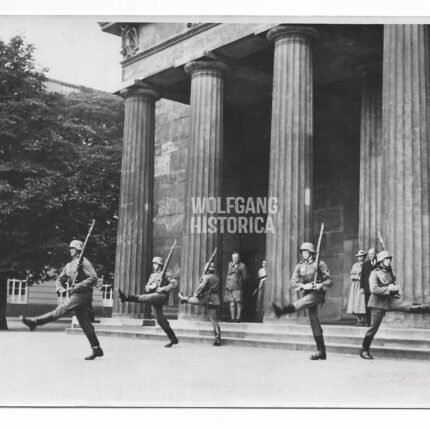
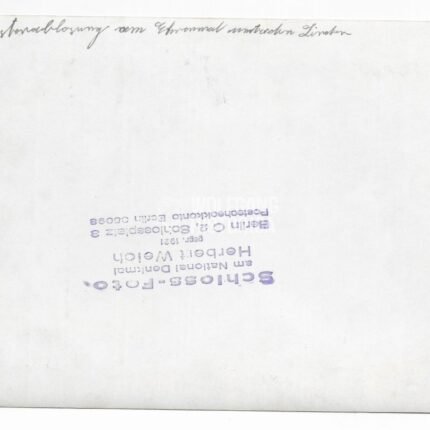
Wehrmacht Guard exchange in Unter den Linden
€0,01Original press – propaganda photo of a Guard exchange in Unter den Linden. Condition as seen, left border cut. Measuring: 13×17,9cm.
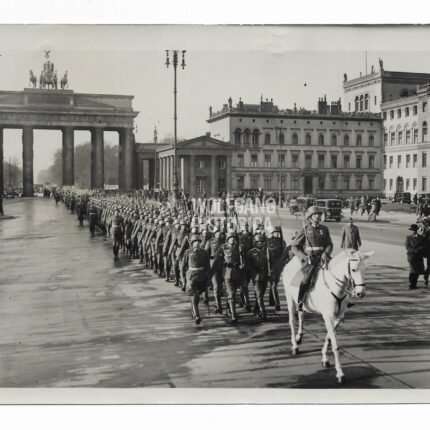
Wehrmacht Kompanie marching near Brandenburger Tor
€0,01Original press – propaganda photo of a Wehrmacht Kompanie marching near the Brandenburger Tor. Condition as seen. Measuring: 13,4×18,3cm.
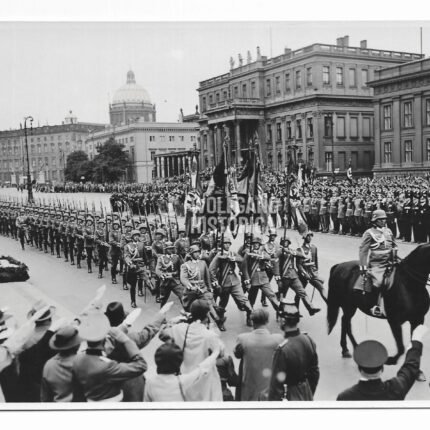
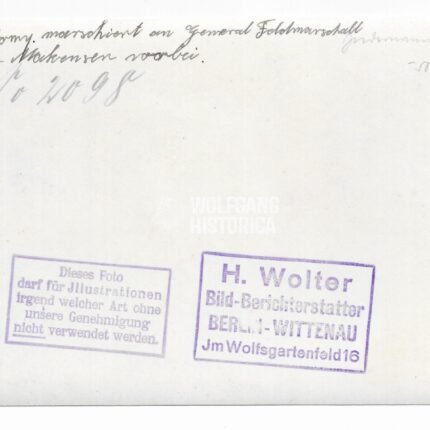
Wehrmacht Kompanie marching past Freiherr von Mackensen Press Photo
€0,01Original press – propaganda photo of a Wehrmacht Kompanie marching past Freiherr von Mackensen. Condition as seen. Measuring: 11,7×16,3cm.
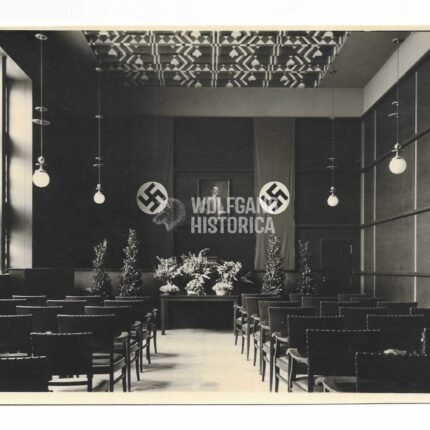
Photograph of Hall decorated with Adolf Hitler Portrait & NSDAP Flags
€0,01Original photograph of a hall decorated with a Adolf Hitler Portrait & NSDAP Flags. Measuring: 16,3×11,7cm.
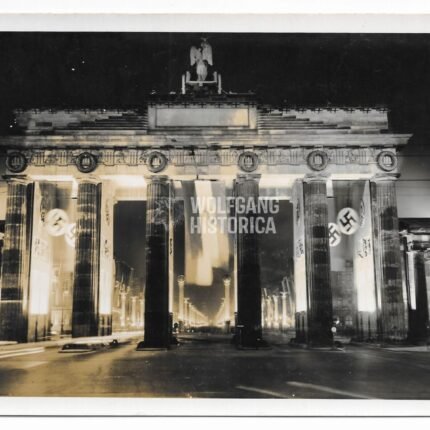

Brandenburger Tor with NSDAP Flags
€0,01Original Propaganda photo of the Brandenburger Tor with NSDAP flags. Size: 18x13cm.
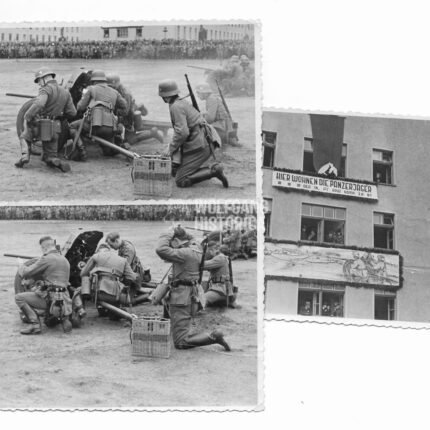
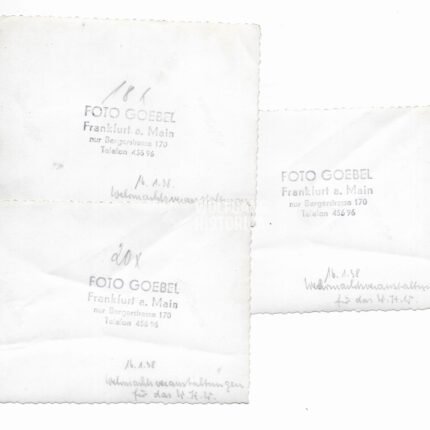
3x Photographs of Pak crew from the 14. Kompanie/ Infanterie-Regiment 81
€45,003x Original Photographs of the 14. (Panzerabwehr) Kompanie/ Infanterie-Regiment 81. Condition as seen.
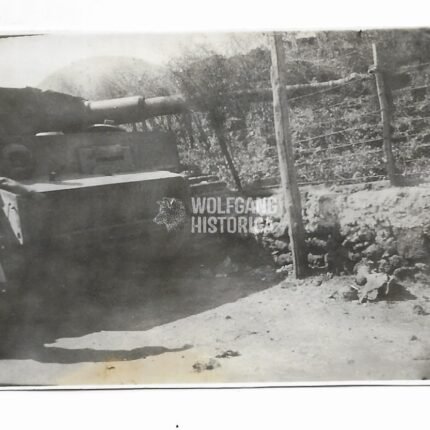
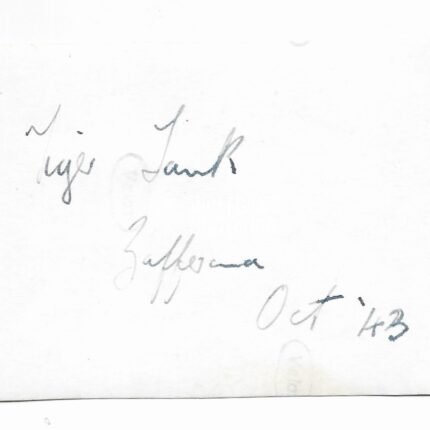
Abandoned Tiger Tank of schwere Panzer-Abteilung 504
€0,01Original photograph of an abandoned Tiger Tank of schwere Panzer-Abteilung 504 in Sicily, 1943. Taken by the British. Size: 8,1×5,9cm.
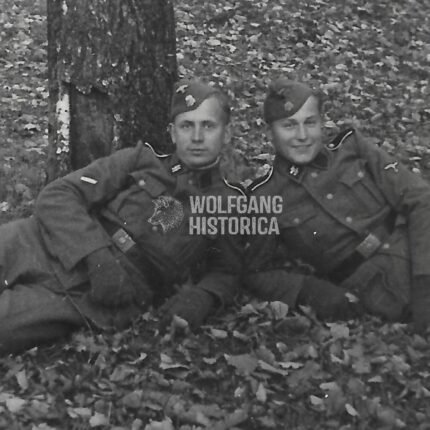
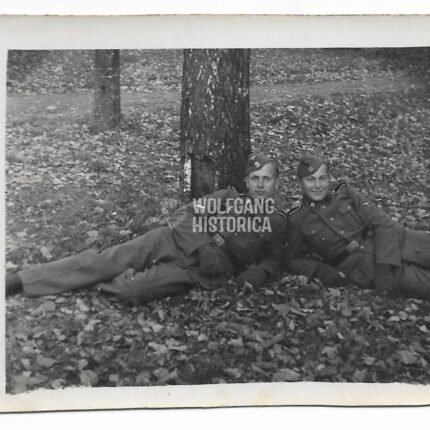
Latvian Waffen-SS Volunteers Photograph
€0,01Original photograph of two Latvian Waffen-SS Volunteers (see the Latvian Armshield on both of their right upperarm). Photograph measures 8×6,5 cm. Names on the reverse.
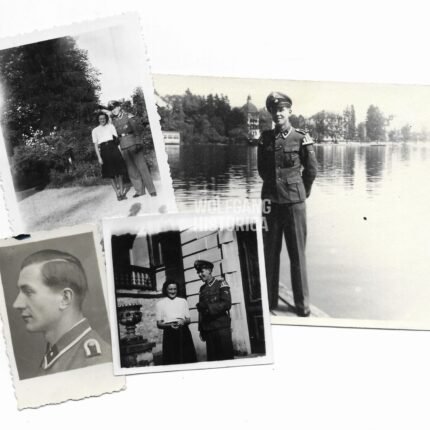
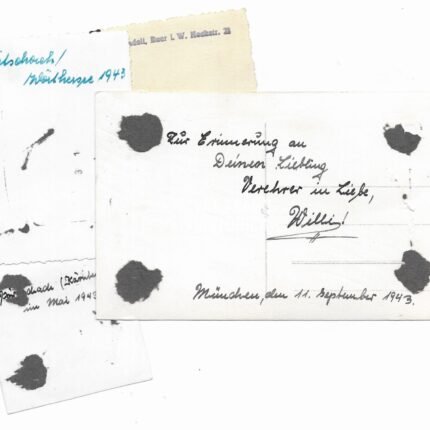
Photograph Set of a Waffen-SS Musician!
€0,01Original photograph set from a Waffen-SS musician! Condition as seen.
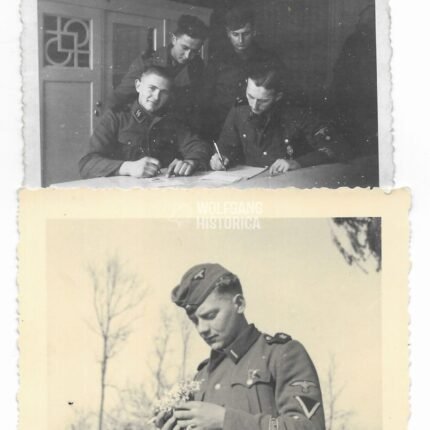
2x Photographs of soldiers from the “LSSAH”
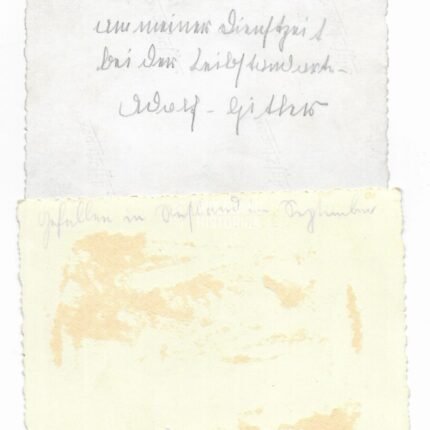
€35,00Original 2x Photographs of soldiers from the “LSSAH” wearing the cuffitle. Condition as seen.